Sebastian’s Bistro Insider Guide: The Best Time to Go, What to Order, and How to Make It Worth the Trip
Published June 11, 2026 · Updated October 27, 2026
Live now: Sebastian's Bistro availability
At a Glance
- Where: Old Port Royale at Disney’s Caribbean Beach Resort. The Skyliner from EPCOT and Hollywood Studios gets you closest.
- Format: Family-style table service. Shared platters are all-you-care-to-enjoy.
- What comes to the table: Pull-apart rolls, salad, citrus chicken, mojo pork, chili-rubbed beef, fish and sides, then dessert.
- Best for: Families with hungry kids or teens, groups who want one easy shared menu, and anyone who likes Caribbean flavors.
- Reservation difficulty: Hard, so plan ahead (see How to Get a Reservation (and What to Do If It’s Booked)).
- Disney Dining Plan: Eligible.
- Typical cost: See Cost Breakdown: What a Meal Here Really Costs.
- Don’t miss: The warm bread pudding with caramel and ice cream.
- Skip: Park snacks right before you go, and the “everyone gets a soda” reflex.
- Wear: Real walking shoes. Caribbean Beach is big, and the walk to Old Port Royale can be long even if you’re staying there.
This guide is for families and groups who want one big, easy, eat-until-you’re-done dinner without a fight over the menu. Your biggest win is to treat Sebastian’s Bistro as the meal of the day. Show up hungry, ask for more of what your table loves, and save room for the bread pudding.
Is Sebastian’s Bistro Worth It? The Short Answer
Yes, if you plan it as the main event of the evening. No, if it’s a stop you squeeze in between parks or after a day of snacking.
Sebastian’s Bistro works best when your group arrives hungry and has time to settle in. Plates come to the table to share, so nobody has to decide on an entrée while tired kids lose patience. When that matches your night, it’s an easy win. When it doesn’t, you’ve given up park time for a meal nobody really eats.
Who it’s a strong yes for
- Families who want one easy menu. Shared platters mean no one has to study a menu and no one ends up with the wrong order. The table just eats.
- Hungry teens. All-you-care-to-enjoy pays off most for the people who actually go back for seconds. A table with one or two big eaters gets the most out of the format.
- Guests at the Skyliner resorts. Caribbean Beach is on the Skyliner, so getting there is a short hop, not a trip across the property. That makes it easy to do on a night off.
- Arrival days and rest days. If you’re checking in, recovering from a long park day or spending the afternoon at the pool, a relaxed sit-down dinner near your room fits right in.
Who should probably skip it
- Picky eaters who will eat one safe item. A kid who only eats the rolls gets a little from a shared table. They’ll get far less out of it than a kid who will try a few things.
- Groups already full from park snacks. After popcorn, pastries and festival bites, even a big shared menu won’t feel worth it. Your stomach is the limit here.
- Anyone in the middle of a day at EPCOT or Hollywood Studios. The Skyliner makes leaving look easy, but the real cost is everything around the meal (more below).
| Your situation | Verdict | Why |
|---|---|---|
| Arrival night, Skyliner resort | Strong yes | Short trip, no park time lost, everyone’s hungry |
| Pool or rest day | Strong yes | The meal fits the slower pace of the day |
| Family with teens who eat a lot | Yes | The all-you-care format pays off for them |
| Family with one very picky child | Maybe | Works only if the adults are excited about the food |
| Leaving EPCOT or Hollywood Studios mid-day | Usually skip | You lose park time, momentum and possibly Lightning Lane return windows |
| Coming in after a big late lunch or snacks | Skip or move it | Little appetite means little payoff |
What it costs you to leave a park to eat here
The menu price is only part of the cost. If you leave EPCOT or Hollywood Studios for this meal, you also give up:
- Travel time both ways. You walk to the Skyliner, wait in the line, ride, then walk through Caribbean Beach to Old Port Royale. Then you do it all again in reverse. Between travel and a relaxed shared meal, the break can easily take a few hours.
- Your best hours in the park. Mid-afternoon to early evening is often when it’s smart to stay put and keep using your Lightning Lane selections.
- Your plan. A Lightning Lane return window during that time is one you’ll probably miss or rush back for.
- Your energy. After a long sit-down meal, getting a tired family back into a park is harder than most people expect.
So treat it as the end of your park day or the main event of a day off, not a midday lunch break.
Pro tip: Set a snack cutoff about three hours before your reservation and tell everyone in the morning. “No more snacks after 3” is easier to stick to than arguing over a churro at 4:45. It’s the simplest way to make sure your group arrives hungry enough to make the meal worthwhile.
Quick check before you keep the reservation
- [ ] Is this dinner the main plan for the evening, not something squeezed between parks?
- [ ] Will at least most of the group eat more than one item on a shared menu?
- [ ] Can you arrive from your resort or at the end of a park day, without leaving a park in the middle?
- [ ] Do you have a snack cutoff so everyone shows up hungry?
- [ ] Have you planned drinks ahead so the bill doesn’t creep up? (See Cost Breakdown: What a Meal Here Really Costs.)
If you check four or five, keep the table. Sebastian’s Bistro takes reservations, so this is a meal you can lock in (see How to Get a Reservation (and What to Do If It’s Booked)). If you check two or fewer, a quick-service meal and an extra hour in the park will probably make for a better day.
What Sebastian’s Bistro Is: Setting, Style, and Vibe
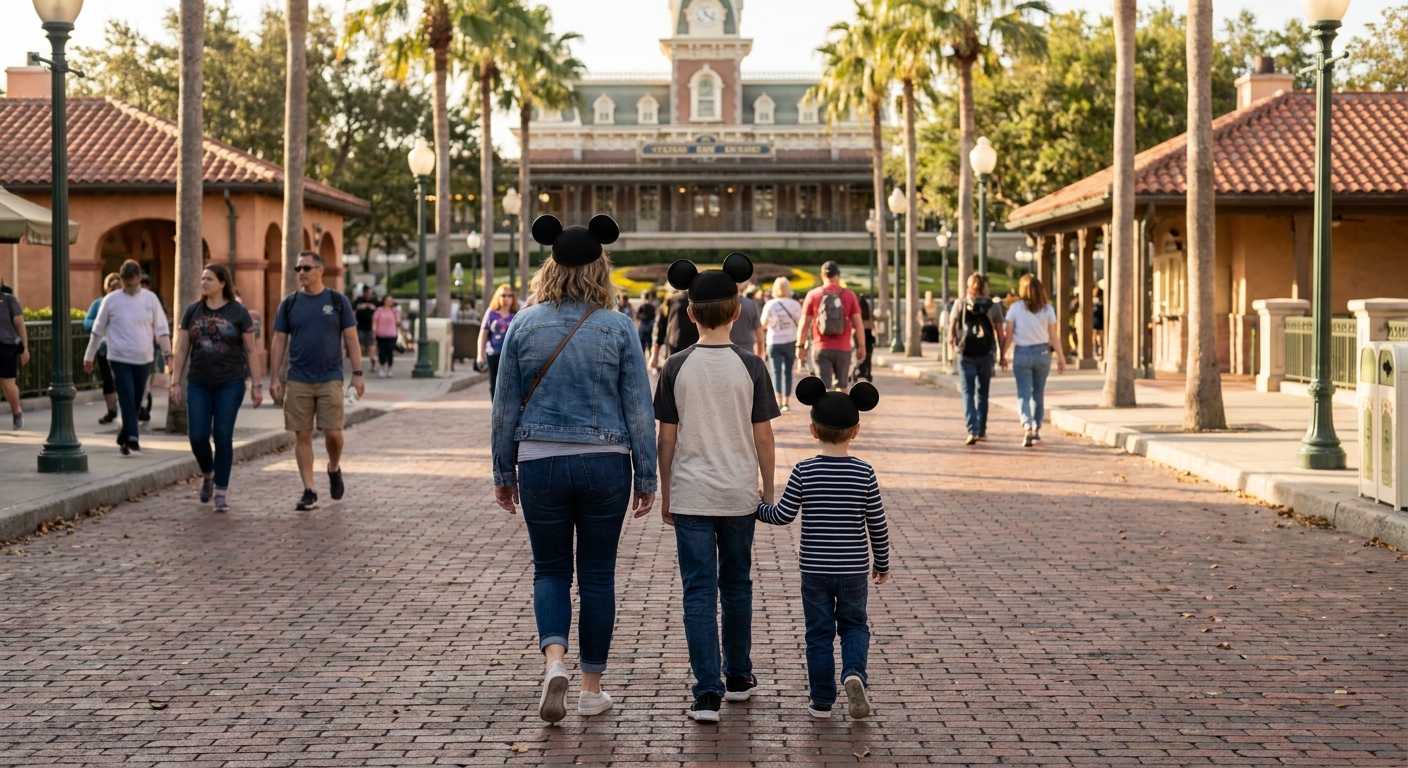
Sebastian’s Bistro is a relaxed, all-you-care-to-enjoy family-style table-service restaurant: shared platters come to you, you never queue at a buffet line, and nobody has to agree on one entrée.
It’s one of the easiest sit-down dinners at Walt Disney World for a mixed group. You get table service and one set menu that keeps coming, in a casual resort setting without the noise and rush of an in-park restaurant.
The setting: Caribbean resort, not theme-park spectacle
The restaurant sits inside Old Port Royale, the main hub building at Disney’s Caribbean Beach Resort. The look is bright island colors, nautical touches and a laid-back port-town feel. It’s cheerful and themed, but it’s a resort restaurant, so there are no show elements, special effects or character parades.
That matters for how you plan it:
- Dress is casual. Pool-day clothes plus a light layer are fine, and the air conditioning is usually strong.
- It feels like a neighborhood spot. The crowd is mostly resort guests and Skyliner hoppers, not park-day diners on a schedule.
- It’s not a character meal. If your kids expect characters, tell them ahead of time.
How family-style service actually works
If you’ve never done a Disney family-style meal, here’s how it goes:
- [ ] You’re seated and your server explains the set menu. Everyone at the table gets the same lineup.
- [ ] Starters arrive on shared platters in the middle of the table.
- [ ] Mains follow, also on platters, and everyone serves themselves.
- [ ] When a platter runs low, you ask your server for more. You can usually ask for just the item you want instead of a whole new round.
- [ ] Dessert comes out to share at the end.
You don’t choose individual entrées, and you can’t swap the set menu for à la carte dishes. (For what’s actually on the platters, see “The Menu: What Comes to the Table.”)
Family-style vs. buffet vs. à la carte
| Family-style (Sebastian’s) | Buffet | À la carte table service | |
|---|---|---|---|
| Who brings the food | Server brings platters to your table | You walk to the stations | Server brings individual plates |
| Variety | One curated lineup | Widest variety | Whatever each person orders |
| Refills | Ask your server | Go back yourself | Order and pay for more |
| Best for | Groups who want to stay seated together | Very picky eaters, grazers | Adults with specific cravings |
| Kid factor | Kids stay at the table | Kids up and down constantly | Kids wait for one plate |
| Pace | You set it with your server | Self-paced | Kitchen-paced |
The real difference: a buffet gives you choice, and family-style gives you calm. Nobody leaves the table, you don’t carry plates past strollers, and parents don’t have to escort a 5-year-old through a carving station. The trade-off is less variety. If someone in your group won’t eat most of the set menu, a buffet may suit them better. (That’s covered in “Families, Picky Eaters, and Dietary Needs.”)
Noise level and kid-friendliness
Expect a moderate, lively hum: families talking, platters clattering, kids being kids. It’s noticeably calmer than a big in-park buffet or a character meal, but it’s not a quiet date-night room.
Why it works for kids:
- No waiting for “their” plate. Food lands fast and kids can start with whatever they recognize.
- Low-stakes tasting. A kid can try one bite of something new without anyone paying for a full entrée they won’t eat.
- The noise covers you. A fussy toddler doesn’t stand out the way it would in a hushed signature restaurant.
Where it’s weaker:
- Couples looking for romance. It’s busy, bright and family-heavy.
- Groups who want to linger quietly. The energy stays up for the whole service.
Pro tip: You control the pace at a family-style table. If the kids are done after the mains and starting to melt down, ask your server to bring dessert right away instead of waiting for the adults to finish. Servers handle this request all the time, and it can save the end of the meal.
The vibe in one line
Think of it as a cheerful, island-themed dinner table where the food keeps coming. It’s often overlooked because it isn’t in a park, and it’s a better fit for some groups than for others. Whether it’s worth planning an evening around is covered in “Is Sebastian’s Bistro Worth It? The Short Answer,” and how to get a table is covered in “How to Get a Reservation (and What to Do If It’s Booked).”
The Menu: What Comes to the Table
Sebastian’s Bistro looks like a standard Disney family-style meal, but the sauces and the fish make it something different.
You don’t order dishes here. The table shares one fixed lineup, and servers bring it out in waves. Recent reports describe it like this:
The Lineup, Course by Course
| Course | What arrives | Why it matters |
|---|---|---|
| Starter | House-baked pull-apart rolls and a salad | The rolls are soft and buttery, and they’re easy to overdo before the proteins arrive |
| Protein | Oven-roasted citrus chicken | The safe, familiar option, brightened with citrus |
| Protein | Slow-cooked mojo pork with mango sambal | Tender, garlicky pork with a sweet-and-spicy condiment on the side |
| Protein | Grilled chili-rubbed beef with mojito relish | A spice rub balanced by a fresh, lime-forward relish |
| Protein | Baked fish with Veracruz sauce | Fish is rarely part of a family-style platter at Disney World |
| Sides | Several shared sides | They come out with the proteins |
| Dessert | A shared dessert course | Covered in Dessert: Bread Pudding and Pineapple-Coconut Cake |
Treat this as a recent snapshot, not a promise. Disney changes family-style menus, swaps sides, and adjusts sauces without much warning. Check the current menu in My Disney Experience or on Disney’s website before you go, especially if one dish is the reason you booked.
What Sets It Apart From Other Family-Style Meals
Most family-style meals at Disney World use a similar formula: rolls, salad, a chicken, a pork or beef, a few starchy sides, and dessert. Sebastian’s uses that same structure but seasons it differently. Guests who have tried several family-style restaurants often say the Caribbean flavors are what make this one memorable.
1. Each protein has its own sauce.
- Mojo is traditionally a citrus-and-garlic marinade, so the pork tastes bright instead of heavy.
- Mango sambal adds sweetness and a little heat. It’s a condiment, not a glaze, so you choose how much to use.
- Mojito relish usually leans on lime and herbs, which cuts through the richness of the chili-rubbed beef.
- Veracruz sauce is traditionally tomato-based with briny, savory flavors such as olives and capers, with some peppers. It holds up well against a mild white fish.
2. Fish is part of the meal. At most family-style tables, the “lighter” option is chicken. Here, the fish comes with everyone else’s food at no extra step. That’s a real advantage for pescatarian-leaning adults, anyone tired of theme-park burgers, or a group that wants some variety after several days of quick-service meals.
3. The seasoning feels like a theme. Citrus, chili, mango, and lime run through the whole table. The proteins taste like they belong together instead of being three unrelated entrées on one platter.
How the Flavors Land for Different Eaters
- Cautious eaters: The citrus chicken and the rolls are the safe bets. Keep the sambal and relish in their bowls and nobody gets a surprise.
- Adventurous eaters: The mojo pork and the chili-rubbed beef with relish carry the most personality.
- Heat-sensitive guests: The spice here usually comes from rubs and condiments rather than being cooked into everything, so you can control it at your seat.
- Seafood skeptics: Try one bite of the fish anyway. The Veracruz sauce does a lot of the work.
Pro tip: You can move the sauces around. Spoon mojito relish onto the chicken, add a little mango sambal to the beef, or put Veracruz sauce on a torn piece of roll. The table gets five or six flavor combinations out of four proteins, and a picky eater can turn plain chicken into something new without trying an unfamiliar dish.
Before You Sit Down
- [ ] Check the current menu for changes to the proteins, sauces, or sides
- [ ] Confirm the fish is still on the lineup if a pescatarian in your group is counting on it
- [ ] Tell your server about allergies up front, since sauces like Veracruz and sambal have several ingredients (more in Families, Picky Eaters, and Dietary Needs)
- [ ] Decide as a group to go easy on the rolls before the proteins arrive
For how to pace the table, including which platters to ask for again and which to skip, see What to Order More Of (and What to Skip).
What to Order More Of (and What to Skip)
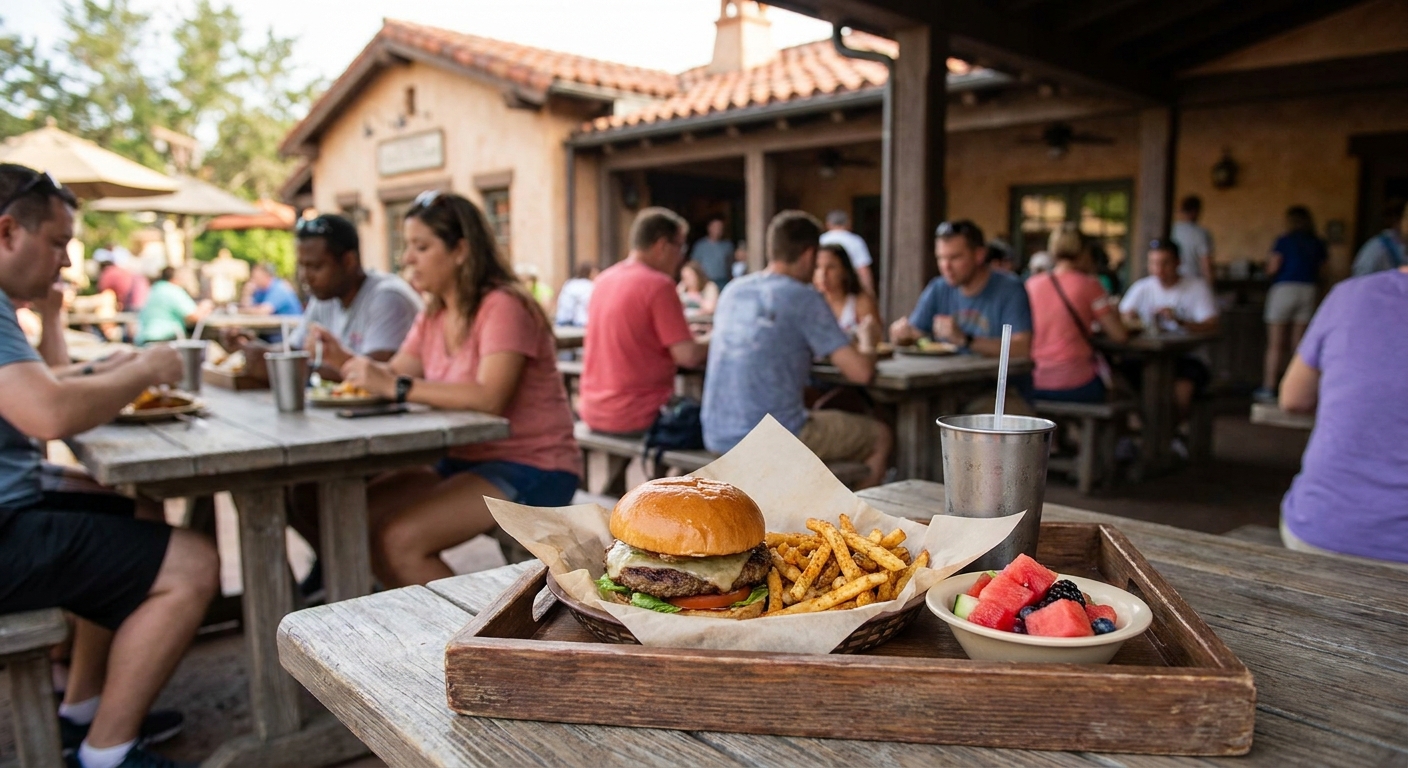
Hold back on the first round, then ask for more of only the platters that won. At an all-you-care-to-enjoy table, the first plates tell you what to order next. Order a second full round right away and you pay in fullness.
What guests most often ask for seconds of
Every table is different, but the same few items come back again and again on refill orders. Here’s the usual pattern and how to handle each one.
| Item | How often it’s re-requested | The smart move |
|---|---|---|
| The boldest protein (often the fish or the most heavily seasoned meat) | Frequently recommended, often requested | Taste it in round one, then ask for more of just this one |
| Plantains and other starchy sides | Often requested, especially by kids | Let these fill up the kids, and get refills without guilt |
| The milder protein | Steady but lower | Good for picky eaters, and usually doesn’t need a second platter |
| Pull-apart rolls | Constantly refilled | Go easy early. See below |
| Salad | Rarely re-requested | One round is plenty for most tables |
How to read it: the strongly flavored dishes usually get seconds. The filler gets eaten fast but rarely gets asked for again.
Why to go easy on the rolls
The rolls land first. They’re warm and everyone’s hungry, so a basket is gone before the mains show up. That’s the most common way tables wreck their own meal.
- They fill you up fast. Bread takes room you’d rather save for the proteins, which are the reason you booked.
- They’re the easiest thing to get more of. You can always ask for another basket later, so there’s no reason to eat them all now.
- Kids fill up on them first. A child who eats two rolls before the platters come often takes three bites of dinner and is done.
Have one roll each and save the rest to mop up sauce once the mains arrive. That’s where the rolls are actually worth eating.
Ask for one favorite, not another full round
You don’t have to reorder everything. Once you know what your table loves, ask for just that platter, or just the components of a platter that everyone is eating.
- Point to the dish by name: “Could we get more of the fish and the plantains?”
- Skip the platters people are only picking at. You’ll waste less, and the server brings the plates that matter faster.
- If one kid only wants the plantains, extra platter components are typically included, so they can eat plantains all night without you ordering another entrée for them.
Asking only for what you’ll eat is better for the table and for the kitchen.
Pro tip: Ask for a smaller refill: “just a little more of the fish, not a whole platter.” Small refills usually come out faster and hotter, and you won’t be pushing half a platter around your plate.
When to ask for refills
Kitchens get busier as the dining room fills, so timing matters.
- Order your bold protein and your mild protein together in the first round. Don’t stagger them, or you may wait longer for the second one.
- Taste the spicier dish before anyone takes a full plate of it. Caribbean seasoning can taste “spicy” to kids even when the actual heat is mild.
- Wait until the platters are mostly empty before asking for seconds. Refills ordered then usually arrive fresher than ones ordered mid-service.
How to pace your way to dessert
Most tables fill up during the refill round and never get to dessert. If dessert matters to your group (see Dessert: Bread Pudding and Pineapple-Coconut Cake), plan the meal around it:
- [ ] One roll each when the basket arrives, and save the rest for the sauce
- [ ] First round: a modest portion of everything, and taste the spicy dish first
- [ ] Choose your favorite one or two dishes as a table
- [ ] One small refill of only those favorites
- [ ] Take a short break and let everyone’s food settle
- [ ] Decide on dessert now, while you can still fit it in
What to skip
- A second basket of rolls before the mains. It’s the most common mistake here.
- Reordering the salad. One round covers most tables.
- Another full round “just because it’s included.” Unlimited isn’t the same as worth eating. One more plate you don’t want can cost you dessert.
- Seconds of the milder protein if nobody really loved it. Use that room for the dish that won.
For what the meal actually costs and whether the all-you-care-to-enjoy price pays off, see Cost Breakdown: What a Meal Here Really Costs.
Dessert: Bread Pudding and Pineapple-Coconut Cake
Save room: dessert is part of the all-you-care-to-enjoy meal, and the bread pudding is the dish guests bring up most.
Dessert here comes as a shared platter for the table, like everything else. Two items get mentioned again and again in recent guest reports: a warm bread pudding and a soft pineapple-coconut cake. Desserts at Disney restaurants change without much warning, so check the current menu with your server or in My Disney Experience before you plan your evening around a particular one.
The Bread Pudding: The One Most Guests Rave About
Guests who rank the meal usually put the bread pudding first. What reviewers keep pointing to:
- It comes out warm. That matters more than it sounds, because the ice cream on top starts melting right away and turns into a second sauce.
- The caramel is the reason it stands out. Reviewers describe it as rich and buttery, more like it was made in-house than poured from a bottle. Many say the caramel is what moves it from a nice end to the meal to the dish they’d come back for.
- It’s sweet and heavy. This is a comfort dessert. After a meal of mains, a few spoonfuls is a satisfying amount for most adults.
If your group only tries one dessert, the general view is that it should be this one.
The Pineapple-Coconut Cake: The Lighter Option
The cake gets less attention, but it has loyal fans, especially among guests who like fruit desserts more than caramel.
- Soft all the way through. It has no dry or crusty edges, and guests often call it moist.
- Layered flavor. Pineapple sits on the top and bottom with coconut in the middle, so you taste the fruit first and the coconut comes through after.
- Easier to eat when you’re full. It isn’t as heavy as the bread pudding, so it works for anyone who’s nearly done but still wants something sweet.
Side-by-Side
| Bread Pudding | Pineapple-Coconut Cake | |
|---|---|---|
| Served | Warm, with ice cream and caramel | Room temperature |
| Texture | Rich, soft, saucy | Soft, moist, no crusty edges |
| Flavor | Buttery caramel, vanilla | Pineapple on top and bottom, coconut in the middle |
| Best for | Caramel fans, guests who want a classic finish | Fruit lovers, guests who are already full |
| How fast to eat it | Right away, since it’s best warm | No hurry |
Yes, You Can Ask for More
Dessert is included in the all-you-care-to-enjoy format, so you can ask for another round of whichever one your table likes best. Guests regularly mention doing this. You don’t pay extra for a second platter of bread pudding.
A few ways to handle it well:
- Try both first. Have everyone taste each dessert, then request more of the one that disappears fastest.
- Ask for one dessert, not both. If the table clearly prefers the bread pudding, ask for just that so a second cake doesn’t go to waste.
- Split it by preference. Families often find that kids go for the cake and adults go for the bread pudding.
Pro tip: Eat the bread pudding first and the cake second. The bread pudding is at its best in the first few minutes, while it’s warm and the ice cream is still melting into the caramel. The cake tastes the same ten minutes later, so let it wait.
How to Actually Have Room for It
Most people who skip dessert here aren’t uninterested. They just ate too many rolls. For the full approach to pacing the mains, see What to Order More Of (and What to Skip). For dessert specifically:
- [ ] Stop at one roll, even when the basket gets refilled
- [ ] Hold off on seconds of the mains until you’ve decided whether you want more of anything
- [ ] Pass on a sugary drink with dinner, since it takes up room you’ll want for dessert
- [ ] Tell your server when you’re ready for dessert so it doesn’t come while you’re still eating the last of the mains
- [ ] Ask what’s on the dessert platter that night, because it can rotate
The Bottom Line on Dessert
Plan the meal so you still have room at the end. Eat the bread pudding while it’s warm, try the cake for a lighter bite, and ask for more of whichever one your table liked best. Check what’s being served on your night first, since Disney changes dessert menus regularly.
Best Time to Go: Day, Time, and Trip Timing
Go for an early dinner on a day you’re already near the Skyliner or staying at Caribbean Beach. Don’t try to fit Sebastian’s into the middle of a park day.
This meal works best as the end of your day. When it takes a bite out of your best ride hours, it costs more than it’s worth.
Early dinner vs. late dinner
| Slot | Why it works | The catch |
|---|---|---|
| Early (late afternoon) | You leave the park ahead of the evening exodus, kids are hungry but not wrecked, and you still have the night free | You give up a few late-afternoon ride hours |
| Prime (around 6–7:30 PM) | A normal dinner hour, easy to plan around | These times go first and are the hardest to get |
| Late (after 8 PM) | Easier to find, and fine for adults or teens who run late | Little kids are often fading, and a big shared meal close to bedtime can backfire |
For most families, early dinner is the best choice. Hungry kids at a family-style table eat well. Overtired kids push food around their plates and want to leave before dessert.
Pro tip: Leave your park about an hour before the nighttime show. The Skyliner is usually calm then. If you wait until after fireworks, the crowds leaving EPCOT or Hollywood Studios can turn a short gondola ride into a long wait in line.
The best days for Sebastian’s
Arrival day (if you’re staying at Caribbean Beach). This might be the best use of the reservation. You don’t need a park ticket, you don’t need transportation, and you get a real sit-down meal while everyone recovers from traveling. Two cautions:
- Book a later slot than seems necessary. Flights get delayed, especially cheap afternoon flights, and resort check-in can drag.
- Don’t count on room-ready timing. Plan to walk over straight from bag drop if you have to.
Pool or rest days. A slow day at the resort plus a family-style dinner is a low-effort evening that still feels special. You spend nothing on transportation and arrive rested.
Days you’re already on the Skyliner line. If you’re doing Hollywood Studios or EPCOT and staying at a Skyliner resort, getting to Caribbean Beach is mostly on your way. See Getting There: Skyliner, Buses, Driving, and Walking Caribbean Beach for routes.
Rainy-evening backup. If afternoon storms are wearing your group down, an indoor dinner makes a good place to regroup. Keep in mind that the Skyliner can pause when there’s lightning nearby, so leave yourself extra time on stormy days.
Why mid-park-day visits usually aren’t worth it
On paper, it looks easy to leave Hollywood Studios at 1 PM, eat, and come back. In practice:
- The round trip takes longer than you think. Walking to the station, riding, walking across the resort, then doing it all again in reverse eats a big piece of your afternoon before you count the meal.
- The return trip hits peak lines. You come back to the park when standby waits and crowds are usually at their highest.
- A big all-you-care-to-enjoy meal slows you down. Midday heat on a full stomach makes for a sluggish afternoon, not a strong second half.
- Return windows can collide. If you’re holding a Lightning Lane Single Pass return time or another window that’s hard to rebook, a cross-resort lunch is how you miss it.
If you love the food that much, save it for a day when it’s dinner and the evening’s main event.
Pair it with a lighter park day
Schedule Sebastian’s on the evening of your least crowded park day. On lighter days you finish your priority rides sooner, so leaving early doesn’t feel like a sacrifice. Check a crowd calendar, find the lighter days on your trip, and plan this dinner around one of them. Busy days are better for staying late in the park.
Why booking a prime slot late is a problem
The 6–7:30 PM window is what most families want, so it fills first. If you wait, you’ll often be choosing between a very early time that cuts your park day short and a late time that pushes up against bedtime. That’s why it helps to decide your Sebastian’s day early. For how and when to book, see How to Get a Reservation (and What to Do If It’s Booked).
Show up on time
Disney holds your table for a limited check-in window. Arriving on time keeps your party on track and makes things easier for the Cast Members, who are juggling a full dining room of families. Caribbean Beach is large, and the walk from the Skyliner station or a far building to Old Port Royale can take longer than you expect.
- [ ] Choose a lighter park day or your arrival or rest day
- [ ] Choose an early slot if you have young kids
- [ ] Make sure the slot doesn’t overlap any return windows
- [ ] Plan to leave the park before the nighttime show crowds
- [ ] Add walking time inside the resort and aim to check in a few minutes early
How to Get a Reservation (and What to Do If It’s Booked)
Book at 6:00 AM Eastern exactly 60 days before your arrival. If it’s already full, a steady cancellation watch usually works better than hoping for a walk-up table.
Two independent guides both rate Sebastian’s Bistro as hard to book. It’s a single resort restaurant with a family-style menu that suits big groups, so popular dinner times fill early and larger parties have fewer options. You can still get a table, but it pays to be organized.
Book on Day One
Advance Dining Reservations open 60 days before arrival at 6:00 AM Eastern in the My Disney Experience app. Don’t mix this up with Lightning Lane Multi Pass, which opens at 7:00 AM Eastern on a different schedule (7 days before arrival for Disney-resort guests, 3 days for off-site guests). If you mix up the two, you lose an hour while other families book the tables you wanted.
Why you need to book right away:
- Large parties fill up first. Tables for six or more are scarcer than tables for two, and family-style restaurants attract big groups.
- The good slots go first. The times that fit a pool-break-then-dinner plan are usually the first to disappear. (For which slots to aim for, see Best Time to Go: Day, Time, and Trip Timing.)
- Waiting leaves you with leftovers. If you book a week later, you’ll often get a very early or very late slot, or you’ll end up watching for cancellations.
Your 6:00 AM Checklist
- [ ] Sign in to My Disney Experience the night before so you don’t get stuck resetting a password at 5:58.
- [ ] Link everyone in your party to your account ahead of time.
- [ ] Choose a first-choice time plus two backups before the window opens.
- [ ] Have a card ready. Disney may require one to hold the reservation, so read the cancellation terms when you book.
- [ ] Book dining first at 6:00, then take a break before the 7:00 Lightning Lane window.
If It’s Already Booked
A full calendar at 60 days out doesn’t mean you won’t get in. Families change plans all the time, and those tables go back into the system.
| Approach | How it works | Realistic odds |
|---|---|---|
| Keep checking for cancellations | Search again for your date, especially in the last few days before it | Often good, because plans shift close to the date |
| Flex your time | Widen the search to earlier or later slots | Better than holding out for one exact time |
| Flex your party size | Search for the exact number of people going, not a padded count | Smaller tables can open up when large ones don’t |
| Walk up and ask | Go to the podium and ask about same-day availability | Uncertain, so treat it as a bonus, not a plan |
Pro tip: Cancellations tend to come in waves just before Disney’s no-show fee deadline, when families with changed plans drop tables so they won’t be charged. Check closely in the day or two before your date. That’s often when a “fully booked” dinner suddenly has a table again.
Checking the app manually is tedious, and that’s where SupaPark’s Drop Watch helps. Set a watch for your date and party size, and SupaPark alerts you when a table opens: by email on the free plan, or by instant push on Silver and Gold. You then book it yourself in My Disney Experience. SupaPark never books, holds, or confirms anything for you.
Arriving On Time
Your booked time is a commitment, and the window is firm. Late arrivals risk losing the table, getting moved to a later slot, or being charged as a no-show.
- Plan to check in a little early. Don’t count on a grace period.
- Add extra travel time. You may be coming from another resort or a park, and the Skyliner, buses, and walking routes can all be slower than you expect. Compare your options in Getting There: Skyliner, Buses, Driving, and Walking Caribbean Beach.
- Running late? Call the restaurant. A quick heads-up usually goes over better than showing up 20 minutes late with no warning, though they still can’t promise to hold your table.
- Can’t make it? Cancel before the deadline. You avoid the fee, and another family gets the table they’ve been watching for.
The short version: be ready at 6:00 AM, and if that doesn’t work, keep watching for cancellations, especially as your date gets close.
Getting There: Skyliner, Buses, Driving, and Walking Caribbean Beach
The Skyliner is the easiest way in, and Disney Springs is usually the worst place to transfer. Plan your route before you lock in a time.
Sebastian’s Bistro is in Old Port Royale at Disney’s Caribbean Beach Resort. That helps a lot: Caribbean Beach is the central hub of the Skyliner, where every gondola line meets. If you’re coming from anywhere along the Skyliner, it’s an easy trip. If you’re coming from anywhere else, you’re planning a resort hop, and it can take longer than you expect.
The Skyliner: The Easiest Route
- From EPCOT: board at the International Gateway station, the back entrance between France and the UK. The line stops at Riviera, then continues to Caribbean Beach.
- From Hollywood Studios: this line runs directly to the Caribbean Beach hub.
- From Riviera, Pop Century, or Art of Animation: ride to the Caribbean Beach hub station and get off there.
- The catch: the Skyliner can pause for lightning or high winds, and Florida storms often roll in late in the afternoon. Have a backup plan, like a bus or rideshare.
Buses: Free, but Usually Not Direct
If your resort isn’t on the Skyliner, there’s generally no direct bus to Caribbean Beach. You’ll need to transfer, and a theme park usually works better as the transfer point than Disney Springs.
| Transfer hub | How it works | Why it’s better or worse |
|---|---|---|
| Hollywood Studios or EPCOT | Bus to the park, then Skyliner to Caribbean Beach | Buses to the parks run often, and the Skyliner moves continuously |
| Other theme parks | Bus to the park, then a Caribbean Beach bus | Works, but means two bus waits |
| Disney Springs | Bus in, then wait for a Caribbean Beach bus | Evening crowds, no Skyliner, and the wait can be long |
Pro tip: The Hollywood Studios Skyliner station is outside the park entrance. You can usually take a resort bus to the Studios and walk straight to the gondolas without a park ticket or going through the turnstiles. From Magic Kingdom-area resorts, that’s often the smoothest way to get to dinner.
Why Disney Springs Is a Poor Transfer Hub
Disney Springs looks like a central meeting point on the map, but it slows you down:
- There’s no Skyliner connection, so you’re stuck with a second bus.
- Evenings at Disney Springs are busy, and bus lines get long right when you’re trying to make a dinner time.
- It’s not a parking workaround. Parking at Disney Springs to skip resort or theme park parking can cost far more time than it saves, and it’s not what the garages are for.
Driving and Resort Parking
If you have a car, driving is often the fastest option from Animal Kingdom, Magic Kingdom-area resorts, or off-site. Resort parking rules and fees for dining guests change, so check the current policy with Disney before you go. Don’t count on what a friend was told last year. Give yourself time to find a spot and walk from the lot to Old Port Royale.
Rideshare
Rideshare is the easiest backup when the Skyliner is paused or you’d need two buses. Set your destination as Disney’s Caribbean Beach Resort and tell the driver you’re going to Old Port Royale, so you get dropped near the restaurant and not at a random building. Prices can go up after park closing and during storms.
Already Staying at Caribbean Beach? Check Your Walk
“We’re already at the hotel” doesn’t mean it’s close. Caribbean Beach is a big resort spread around a lake, and depending on your building, Old Port Royale can be a long walk. Before you leave:
- Look at the resort map and find your building’s route to Old Port Royale.
- If you’re on the far side, check whether the resort’s internal bus loop is running and use it.
- Wear real walking shoes, not flip-flops. After a park morning and a long walk to dinner, you’ll feel it.
Build in Buffer Time
Transfers often take longer than you plan for. Plan backward from your reservation:
- [ ] Map your exact route the morning of, including where you’ll transfer
- [ ] Leave extra time for each transfer: walking, a possible bus wait, and the Skyliner line
- [ ] Check the weather; if storms are coming, plan on a bus or rideshare
- [ ] Charge your phone so you can check in for your reservation in My Disney Experience
- [ ] Get to Old Port Royale a few minutes early so you’re not rushing a tired group to the host stand
To decide when to leave the parks, see Best Time to Go: Day, Time, and Trip Timing. For a quick side-by-side of routes from each starting point, see Transportation Comparison Table.
Transportation Comparison Table
If you can reach a Skyliner station, use it. From anywhere else, a rideshare usually beats a chain of Disney buses.
That’s the hub where the Skyliner lines meet, so Skyliner guests have an easy trip and almost everyone else has a harder one. The times below are rough planning budgets based on typical patterns. They are not guarantees, and they include walking and waiting, not only time in the vehicle.
Route-by-Route Comparison
| Starting point | Best method | Rough time budget | Transfers | Stroller-friendliness |
|---|---|---|---|---|
| Skyliner resorts (Riviera, Pop Century, Art of Animation) | Skyliner to the Caribbean Beach hub, then walk to Old Port Royale | Often 15–25 min door to door | Usually none (Riviera riders stay on through one stop) | Good. Standard strollers usually roll on; larger ones may need to fold |
| EPCOT | Skyliner from International Gateway, with a stop at Riviera | Often 20–35 min, including the walk to the station | None | Good, but the walk to the back of World Showcase is long |
| Hollywood Studios | Skyliner direct to Caribbean Beach | Often 15–25 min | None | Good. Usually the simplest route of all |
| Magic Kingdom-area resorts | Rideshare, or a monorail/boat to a park and then a bus | Rideshare often 25–40 min; Disney transport can run 60+ min | Rideshare: none. Disney transport: one or more | Poor to fair. Buses need folded strollers, and rideshares mean folding and car seats |
| Animal Kingdom-area resorts | Rideshare, or a bus via a park | Rideshare often 15–30 min; Disney transport can run 45–75+ min | Rideshare: none. Disney transport: usually one | Poor to fair. Same folding problem, plus more legs |
| Off-site | Drive or rideshare to the resort | Varies widely with traffic and where you’re staying | None if driving | Fair. Easy if you drive, but expect a walk inside the resort |
What the Table Doesn’t Show
- Caribbean Beach is a big resort. Getting off the Skyliner doesn’t put you at your table. Expect a short walk to Old Port Royale. If you come in by bus or car, find out where the drop-off is in relation to the restaurant.
- Disney buses don’t run resort to resort. From a non-Skyliner resort, Disney transport means going to a park or Disney Springs first and then catching a second bus out. That second leg is where most of the lost time happens.
- Don’t route through Disney Springs. It looks central on the map, but it adds a full transfer and a second bus queue. Evenings there can also be busy.
- The Skyliner doesn’t always run. It pauses for lightning and some weather conditions, and Florida afternoons are when storms usually hit. If it stops, Skyliner guests are suddenly in the same position as everyone else: bus or rideshare.
The Long Walks to Know About
The EPCOT Skyliner station is at the back of the park. If you’re at the front of the park or deep in World Showcase near Mexico or China, the walk to the station can take longer than the gondola ride.
When the World Showcase lagoon boats are running and the line is short, they can save part of that walk. Treat them as a bonus, not your plan. They don’t run constantly, and missing one costs you time.
From Magic Kingdom, the hard part of leaving is the queue for the monorail, ferry or bus out of the park, not the walk to the exit. That queue can be much longer than you’d guess, and it gets worse after big evening moments.
Pro tip: Plan your EPCOT departure from the International Gateway station, not the main entrance. The Skyliner boards between the France and United Kingdom pavilions. If you’re already in World Showcase, walk there instead of doubling back to the front of the park, which only leads you to the monorail and buses.
Pre-Dinner Route Check
- [ ] Find your starting point in the table and pick a main route plus a backup. A rideshare is the usual backup.
- [ ] If your main route is the Skyliner, check the sky. Afternoon storms can pause it with no warning.
- [ ] Count every leg: walking to the station or stop, waiting, riding, and the walk inside Caribbean Beach to Old Port Royale.
- [ ] Add extra buffer for any route with a transfer. Missing one bus can push you back a full cycle.
- [ ] If you have a large stroller and no Skyliner access, decide ahead of time whether folding it on a bus or in a rideshare is worth the hassle.
- [ ] If you’re driving in, have your reservation ready to show in My Disney Experience at the resort entrance.
To choose a dinner time that fits these routes, see Best Time to Go: Day, Time, and Trip Timing. For full sample days built around the Skyliner, see How to Build Your Day Around Sebastian’s Bistro.
Cost Breakdown: What a Meal Here Really Costs
What you pay is set mostly by two things: who counts as an adult and what everyone drinks. The food price is fixed, so a family of four can see very different totals.
Sebastian’s Bistro charges one all-you-care-to-enjoy price per person, with separate adult and child rates. Recent guest reports put the adult price at around $40, but Disney changes menu prices often. Check the current price in My Disney Experience before you budget.
Sample bill for a family of four
This example uses two adults and two kids ages 3–9. Replace the placeholders with current prices.
| Line item | How it’s calculated | Notes |
|---|---|---|
| 2 adult meals | 2 × adult price | Check current pricing |
| 2 child meals | 2 × child price | Ages 3–9. Check current pricing |
| Food subtotal | Sum of the above | Covers bread, salad, mains, sides, dessert and refills |
| Drinks (optional) | Per drink | Ice water is free |
| Sales tax | Roughly 6.5% on the subtotal | Confirm on your receipt |
| Gratuity | Usually 18–20% suggested | Often added automatically for larger parties. Confirm on the check |
| Total | Subtotal + tax + tip | Expect it to be about 25% higher than the food price |
How fast drinks grow the bill
| Drink choice for the table | Rough impact |
|---|---|
| Ice water for all four | Adds nothing |
| Four fountain sodas | Adds about the price of one kid’s meal, after tax and tip |
| Two specialty cocktails + two kids’ drinks | Can add about the price of another adult meal |
| A second round of specialty drinks | Can add 30–50% on top of the food subtotal |
Tax and tip are charged on drinks too, so every $1 of drinks really costs about $1.25. For the full drink plan, see Keep the Bill in Check: The Drink Strategy.
Pro tip: Know the age cutoff before you book. Disney charges child prices for ages 3–9. A 10-year-old pays the full adult price, and on a dining plan they also need an adult plan. Kids under 3 usually eat free from the shared platters. If your kids are 10 or older, budget for four adults.
Using the Disney Dining Plan here
Sebastian’s Bistro accepts the Disney Dining Plan. It counts as a standard table-service meal, which uses one table-service credit per person.
- Why it’s a good place for a credit: One credit covers bread, salad, every main and side, refills and dessert. You get the most food per credit at a fixed-price, all-you-care-to-enjoy meal like this one.
- Where it’s weaker: If your group eats lightly, one credit here can be worth less than the same credit at an expensive à la carte steakhouse.
- Check before you pay: Ask whether your plan includes drinks and gratuity. If it doesn’t, the tip is added to your bill and charged to your card or room.
- Promotional dining offers: Disney sometimes runs dining-plan promotions with vacation packages, each with its own booking windows and rules. If one applies to your trip, confirm the details with Disney before you count on it.
Discounts: ask before you pay
Dining discounts come and go, vary by restaurant and change during the year. Don’t assume one applies here. Ask your server before the check comes:
- [ ] Annual Pass discount, if anyone in your party has one
- [ ] Disney Visa cardmember discount, which requires paying with the card
- [ ] DVC member discount
- [ ] Military discount, if anyone is eligible
- [ ] Florida resident offers. These usually cover tickets and hotel rooms, not dining, but asking costs nothing
Discounts usually apply only to food and drinks for the eligible person’s party, and some exclude alcohol. Check what was actually taken off your receipt.
When all-you-care-to-enjoy beats ordering à la carte
A fixed price only saves you money if you actually eat that much. Compare it with the usual Disney table-service order of an appetizer or salad, a main, and dessert per person:
| Your group | Better deal |
|---|---|
| Hungry teens or big eaters who want seconds | All-you-care-to-enjoy. Refills make the per-plate cost drop fast |
| Families who’d order dessert anyway | All-you-care-to-enjoy. Dessert is already included |
| Light eaters, or a late lunch after heavy snacking | À la carte. You’d pay for food you won’t eat |
| Picky kids who will only eat one thing | It depends. Count it as value only if they’ll eat a lot of that one thing |
| Dining plan guests | All-you-care-to-enjoy. You get the most food per credit |
A simple test: if most of your group would order three courses anyway, or at least one person will ask for seconds, the fixed price probably wins. If the adults would normally split one appetizer and skip dessert, you’re probably paying for more food than you’ll eat. Pick a cheaper option, and see Sebastian’s Bistro vs. Other Family-Style and Nearby Options for alternatives.
Keep the Bill in Check: The Drink Strategy
Make every drink a choice. The value at Sebastian’s Bistro is on the platters, so don’t let automatic soda orders run up the bill.
At a family-style table, drinks are the easiest place to overspend without enjoying the meal any more. The server greets you, someone says “Coke, please,” and suddenly everyone has a paid soda. Nothing on the bill feels big, but it adds up, and nobody remembers the soda afterward. The fix is simple: decide your drink plan before you sit down.
Where the Bill Creeps Up
- The soda reflex. One person orders a soda and the rest of the table follows. A family of four can add a meaningful chunk to the check without thinking about it.
- Bottled water at the table. You’re sitting in a restaurant that will bring you ice water. Bottled water only makes sense if you’re carrying it out with you.
- Specialty drinks ordered by default. A tropical drink can be part of the fun, but ordering one “because we’re on vacation” isn’t the same as ordering one you actually want.
- Second drinks. Sit-down restaurants generally refill standard non-alcoholic drinks. Ordering a second paid soda when your first glass can be refilled is the most common small leak. Confirm refills with your server.
Your Drink Options, Compared
| Option | Cost | Refills | Best for | When to skip it |
|---|---|---|---|---|
| Ice water for the table | Free | Yes, just ask | Everyone, every meal | Never. Order it first |
| Standard soda/fountain drink | Paid | Generally yes, but confirm with your server | The one person who really wants it | When it’s just a reflex |
| Specialty drink (with alcohol) | Paid, the priciest option | No | One adult who wants something that suits the meal | When it’s just a vacation habit |
| Zero-proof specialty version | Paid | No | Kids, non-drinkers, designated drivers | When water would do just as well |
| Bottled water | Paid | No | Taking it with you to the Skyliner or a bus | Sitting down at the table |
How to Run the Table
Start with ice water for everyone. Ask for it as soon as you’re greeted, before anyone looks at the drink list. Once water is on the table, plenty of people, kids especially, realize they don’t need anything else.
Pick one intentional drink, or none. If an adult wants a specialty drink with the meal, go for it. That’s a good use of money. Just make it one considered order, not one per person. And if a non-drinker wants something fun, ask whether a zero-proof version is available. It gives them the same festive drink without the full cocktail price.
Use refills. If someone orders a standard soda, that one glass should last the whole meal. Ask your server to confirm refills when you order so nobody pays for a second drink by mistake.
Leave bottled water for the walk. If you need water for the Skyliner ride back or a hot wait at the bus stop, buy it as you leave. You don’t need it at the table.
Pro tip: Hold off on the paid drink order until the first platters arrive. The soda reflex happens in the first 30 seconds at the table, when everyone is hungry and saying yes to everything. Once the food is out and the ice water is poured, most people realize they’re fine. Anyone who still wants a soda or specialty drink can order it then, and you’ll have cut the paid drinks without telling anyone no.
Drink Checklist
- [ ] Agree on the drink plan before you walk in (“water for the table, one fun drink if you want it”).
- [ ] Skip the “everyone gets a soda” reflex. Order only for the people who really want one.
- [ ] Confirm that standard non-alcoholic drinks come with refills, and don’t order a second.
- [ ] Choose at most one specialty drink that fits the meal.
- [ ] Ask whether a zero-proof version is available for kids or non-drinkers.
- [ ] Ask whether any discount you hold (Annual Pass, Disney Visa or similar) applies to your check.
What Happens If You Don’t Plan It
Nothing dramatic happens. You just pay more than you need to and enjoy the meal about the same. The platters, the sauces and the bread pudding are what you came for, and they’re included in the meal price. Drinks are the add-on you control. Spend that money on something that actually makes the evening better, like one well-chosen drink, and skip the round of sodas nobody will remember.
Sebastian’s Bistro vs. Other Family-Style and Nearby Options
Sebastian’s wins when you want one relaxed, shared Caribbean dinner without going back into a park. Pick World Showcase or Disney Springs when your group wants different food, or when you still want a late night.
Sebastian’s Bistro is a sit-back, platters-come-to-you dinner. It’s dining-plan eligible, it takes reservations, and our catalog rates it hard to book. The real question is whether that format fits your night better than the alternatives. Some of the options below rotate menus, change formats or adjust hours, so check current details before you lock anything in.
The comparison table
| Option | Price tier | Booking difficulty | Menu flexibility | Speed | Best for | Transportation effort (Skyliner-based guest) |
|---|---|---|---|---|---|---|
| Sebastian’s Bistro (Caribbean Beach) | $$–$$$ | Hard | Low: one shared set menu, with refills | Leisurely, usually 60–90 min | Big eaters, families who don’t want to make decisions, a resort night | Low if you’re on the Skyliner line; higher from Magic Kingdom-area resorts |
| Other Disney family-style meals (e.g., 'Ohana, Whispering Canyon Cafe, Liberty Tree Tavern, Garden Grill) | $$$ | Often hard, especially the well-known ones | Low: set menu | Leisurely | A specific theme, characters, or an in-park option | Varies a lot; several are a monorail, boat or bus ride from the Skyliner |
| EPCOT World Showcase table service | $$–$$$ | Mixed: some are easy, some fill fast | Medium: everyone orders off a menu | Moderate | Couples, adventurous eaters, staying in the park | Low: one Skyliner hop from Caribbean Beach |
| EPCOT World Showcase quick service | $–$$ | None | High: every pavilion is a different cuisine | Fast | Groups who can’t agree, staying close to the nighttime show | Low |
| Disney Springs table service | $$–$$$ | Moderate; varies by restaurant | Medium–high | Moderate | Celebrations, adult nights, late dinners | Medium: a bus each way |
| Disney Springs quick service | $–$$ | None | High | Fast, though lines build at peak times | Late-night energy, mixed cravings, shopping after dinner | Medium |
| Caribbean Beach quick service (Centertown Market) | $ | None | Medium: standard counter-service food | Fastest | Arrival night, tired kids, budget nights | Lowest if you’re staying here |
When Sebastian’s is the right call
- Everyone is hungry and nobody wants to decide. One menu and shared platters mean no arguing over the menu.
- You’re staying on the Skyliner line. Pop Century, Art of Animation, Riviera and Caribbean Beach guests can get there without a bus.
- You want a calm resort night. No park noise, no fireworks crowds, no rush.
When World Showcase is the better pick
- Your group can’t agree. A set menu is great until one teen wants tacos and another wants noodles. World Showcase gives you a different country every few hundred feet.
- You’re already in EPCOT. Leaving the park for a resort dinner and coming back costs you your best evening hours.
- You want to stay for the nighttime show. Eating in the park means you’re already in place.
Pro tip: At World Showcase with a group that can’t agree, run a “pavilion draft.” Each person picks one quick-service counter, one adult saves a table near the lagoon, and everyone meets back with their food. That takes about 30 minutes, nobody gives up their pick, and it usually costs less than a family-style table.
When Disney Springs is the better pick
- You want a late night. Restaurants and shops at Disney Springs usually stay open later than resort dining, and walking around afterward is part of the plan.
- You want lots of choices. Between table service and quick service, nearly any craving is covered.
- It’s a celebration or adults’ night. The atmosphere is livelier than a resort restaurant.
The trade-off is the bus. From a Skyliner resort, Disney Springs means a bus there and a bus back, and the trip home at closing time can be slow. With tired little kids, that matters more than the menu does.
When to just stay at Caribbean Beach quick service
- Arrival night, when everyone is running on fumes.
- Your kids eat early and small. An all-you-care-to-enjoy meal is wasted on a 4-year-old who eats three bites of chicken.
- A rain night or a pool night, when nobody wants to change clothes.
Quick decision checklist
- [ ] Will everyone be happy eating the same shared menu? If not, lean toward World Showcase or Disney Springs.
- [ ] Will you already be in a park at dinnertime? Eat there.
- [ ] Do you want to stay out past dinner? Disney Springs.
- [ ] Is anyone too tired for transportation? Centertown Market.
- [ ] Hungry group, relaxed night, near the Skyliner? Sebastian’s.
For booking strategy, see How to Get a Reservation (and What to Do If It’s Booked).
Families, Picky Eaters, and Dietary Needs
Sebastian’s Bistro suits most families, and the shared format makes picky eaters easier to handle than at a fixed-plate restaurant. Groups whose kids eat almost nothing get the least value here.
Why the shared format helps picky eaters
At a regular table-service meal, a picky kid orders one entrée, takes two bites, and the rest goes back to the kitchen. A family-style table works differently:
- Kids pick from everything on the table. A child can fill up on rolls and plain chicken while the adults work through the fish and the sauces.
- Trying something costs nothing. One forkful of a new item doesn’t waste a whole plate, so hesitant eaters are more willing to taste.
- Refills follow what actually gets eaten. If the kids only touch one platter, ask for more of that one. (The refill strategy is covered in “What to Order More Of (and What to Skip).”)
- Nobody waits on a separate order. Food for the whole table arrives together, which helps with toddlers who melt down while they wait.
The meal goes best when a child will eat at least two or three of the basics, usually bread, a protein, and dessert.
Who gets more value, and who gets less
| Your group | How well it fits | Why |
|---|---|---|
| Kids who eat “normal” basics (bread, chicken, a little meat) | Strong fit | They’ll find enough to fill up, and adults still get the more interesting dishes |
| Mixed group: adventurous adults, cautious kids | Good fit | Everyone eats from the same table and nobody is stuck with an entrée they don’t like |
| Hungry teens | Strong fit | Unlimited refills of what they like |
| Kids who eat only one or two specific foods | Weak fit | You’re paying for a full spread that only one person at the table is really eating |
| Toddlers who eat a few bites and stop | Depends | Fine as a family experience, but a big appetite adds nothing for them |
| Complex multi-allergy diners | Possible, with planning | The chef may need to prepare separate versions of shared platters |
If one or more people in your group eat a very narrow range of food, look at the per-person numbers in “Cost Breakdown: What a Meal Here Really Costs” before you commit. A quick-service meal plus a resort pool afternoon may serve that group better.
Strollers, high chairs, and seating
- Tell the host at check-in what you need. That means a high chair, a booster, or a spot with room to park a stroller beside the table.
- Don’t count on a table-side stroller spot. Stroller policy depends on the space and how busy the room is. Some nights you’ll be asked to fold it or leave it in a designated area. Take out anything you’ll need during the meal (wipes, a cup, a comfort item) before you hand it off.
- High chairs and boosters are standard at Disney table-service restaurants. Ask when you check in so one is ready when you’re seated, rather than waiting for one to show up after the bread arrives.
- Napping baby? Ask whether a table with a little more floor space is available. Hosts can often accommodate this but can’t promise it on a full night.
Allergies and dietary needs: how to handle it
Shared platters are convenient, but they make cross-contact a real concern. You can’t simply skip the one dish that’s a problem. Advocate for yourself at every step:
- [ ] Add every allergy and dietary need to your My Disney Experience dining profile when you book, not afterward.
- [ ] Note the allergies on this specific reservation as well, so they’re attached to your ticket.
- [ ] Mention them again to the host at check-in. That’s usually what brings a chef or an allergy-trained Cast Member to your table.
- [ ] Ask to speak with the chef directly about what can be made safely.
- [ ] Before anything arrives, confirm with your server and have them repeat the allergy back to you.
- [ ] Check ingredients yourself, every time. Disney changes recipes and menus seasonally, so research from before your trip can be out of date.
Disney has expanded its gluten-free, dairy-free, and vegan options a lot, and allergy-friendly versions of crowd favorites are a well-known off-menu request at many restaurants. At character buffets like Tusker House, for example, guests often ask for allergy-friendly Mickey waffles. The menu isn’t always where you’ll find the best allergy accommodations. Ask the chef.
Pro tip: If someone at the table has a serious allergy, ask the chef whether their portion can be plated individually instead of served from the shared platters. A separate plate removes the risk of a serving spoon moving from one dish to the next. That risk is easy to miss at a family-style table and is the main way cross-contact happens there.
Quick read for parents
- Most kids will find enough to eat. Children with very narrow diets are where the value falls off.
- Ask for seating, high chairs, and stroller space at check-in, not after you sit down.
- With allergies, report them at every step (profile, reservation, host, chef, server) and double-check ingredients yourself.
How to Build Your Day Around Sebastian’s Bistro
Plan the day so that dinner at Sebastian’s comes after the park day ends, not in the middle of it. If leaving for the meal costs you your best touring hours, the meal isn’t worth it. If you’ve already finished a strong morning, it’s an easy, relaxed dinner.
The Three Day Shapes That Work
| Day type | What it looks like | Why it works | Watch out for |
|---|---|---|---|
| Park morning + pool break | Hollywood Studios or EPCOT from opening, resort pool mid-afternoon, Skyliner to dinner | You do the hard touring while crowds are lighter and save dinner for the evening | Going back to the park after the pool break “just for one more ride” |
| Arrival day | Check in, unpack, walk or Skyliner over for dinner | You eat a real meal on a day with no park ticket to waste | Travel delays. Leave yourself a buffer before the reservation |
| Rest day | Sleep in, pool, slow lunch, Sebastian’s as the main event | A long dinner fits a day that’s meant to be slow anyway | Too much grazing during the day (see Is Sebastian’s Bistro Worth It?) |
Sample Day: Studios or EPCOT Morning, Pool, Skyliner Dinner
This works best because both parks connect to Caribbean Beach by Skyliner, so the trip to dinner is short and you don’t have to wait for a bus.
- [ ] Get to the park before opening and ride your top priorities first
- [ ] Book your Lightning Lane Multi Pass selections for the morning and late morning
- [ ] Ride the Skyliner back to your resort in the early afternoon, when the park is usually at its hottest and busiest
- [ ] Pool, nap, shower, change into dry clothes
- [ ] Count back from your reservation: Skyliner ride + walk to Old Port Royale + 15 minutes of buffer
- [ ] Show up hungry and in no rush
Pro tip: On a day with Sebastian’s, plan your Lightning Lane Multi Pass so your last return window ends before you plan to leave the park. A return time left over at 4 PM is either money you paid for nothing or a reason to skip the pool break and squeeze dinner. If you plan the morning to finish on time, the rest of the day stays calm.
Sample Day: Arrival-Day Dinner
Arrival day is usually lost for touring anyway. Flights run late, rooms aren’t ready, and kids are wound up. A family-style dinner where food just comes to the table is a gentle first night. Nobody has to read a menu while hungry, and there’s no line.
- Pick a reservation time that’s realistic, not hopeful. A table that’s too early on travel day is how people end up as no-shows.
- If you’re not staying at Caribbean Beach, add the transfer time on top of your arrival logistics (see Getting There: Skyliner, Buses, Driving, and Walking Caribbean Beach).
Sample Day: Rest-Day Dinner
On a no-park day, Sebastian’s can be the one planned thing. Keep lunch light and do pool time in the afternoon. Then go to dinner without worrying about Lightning Lane return times. This is when the long, refill-as-you-go meal fits best.
Don’t Waste a Park Window
The most common mistake is leaving a park at midday to eat here and planning to go back. Count everything: the walk out, the Skyliner, the walk through the resort, the meal itself, and the trip back. Often that takes three hours or more, right during the hours you planned to tour. If you’re in the middle of a park day, eat in the park and save Sebastian’s for an evening or a slower day.
Before you leave a park for the afternoon, check live wait times once. If one of your must-do rides is close to walk-on, ride it first, then leave.
Getting There Without Losing Time
- Staying at Caribbean Beach? Check where your room is. The resort is spread out, and even though you’re “already at the hotel,” the walk to Old Port Royale can still be long.
- Wear real park shoes, not flip-flops. You’ll notice the difference after a full day of walking.
- On a non-Skyliner resort bus? There’s usually no direct resort-to-resort bus. Transferring at a theme park, ideally EPCOT or Hollywood Studios with a Skyliner connection, is usually easier than going through Disney Springs. Allow extra time for walking and lines.
- Weather: The Skyliner stops running for lightning and high winds. On stormy afternoons, have a backup way to get there and leave earlier.
The One Thing to Remember
Work backward from your reservation. Do the park in the morning, rest in the afternoon, and have dinner at Sebastian’s in the evening.
Frequently Asked Questions
Short version: Sebastian’s Bistro is worth it when you make dinner the main event, pace the platters, and save room for dessert. These are the questions guests ask most, with each answer pointing to the section that covers it in full.
Is Sebastian’s Bistro worth it?
Yes, if dinner is the plan for your evening and everyone arrives hungry. It’s a weaker choice if you’re squeezing it in between parks or after a day of grazing on snacks. The full breakdown of who it suits is in “Is Sebastian’s Bistro Worth It? The Short Answer.”
Where is Sebastian’s Bistro, and how do you get there?
The Skyliner is the easiest route from EPCOT, Hollywood Studios and the other Skyliner resorts. From other resorts you’ll need a bus transfer, a drive, or a walk across Caribbean Beach.
Is it a buffet, and is dessert included?
It’s not a buffet. It’s an all-you-care-to-enjoy, family-style table-service meal: shared platters come to your table, and nobody has to queue or carry plates. Dessert is part of the meal, and the warm bread pudding with caramel and ice cream is the dish guests mention most, followed by the pineapple-coconut cake.
What should you order more of?
Go light on the first round, then ask for more of only the platters your table actually liked. The fish and the sauces are what set this meal apart from a standard Disney family-style dinner. “What to Order More Of (and What to Skip)” covers which items guests most often ask for seconds of.
Is it good for kids and picky eaters?
Usually, yes. At a shared table, picky eaters can take what they like and skip the rest, and you control the pace, including when dessert comes out. “Families, Picky Eaters, and Dietary Needs” covers seating with strollers, high chairs and dietary requests.
Is Sebastian’s Bistro hard to book?
Yes. SupaPark’s dining catalog rates it hard to book, and the most popular dinner window fills first. The booking window, how cancellations work and what to do if it’s full are all in “How to Get a Reservation (and What to Do If It’s Booked).” For the best days and times to aim for, see “Best Time to Go: Day, Time, and Trip Timing.”
Where to find the full answer
| Question | Short answer | Full detail in |
|---|---|---|
| Worth it? | Yes, as the main event of your evening | Is Sebastian’s Bistro Worth It? The Short Answer |
| What’s served? | Rolls, salad, shared mains, sauces you can mix and match | The Menu: What Comes to the Table |
| Dessert? | Included; bread pudding is the standout | Dessert: Bread Pudding and Pineapple-Coconut Cake |
| When to go? | Early dinner, not mid-park-day | Best Time to Go: Day, Time, and Trip Timing |
| How to book? | Book early, it’s hard to get | How to Get a Reservation (and What to Do If It’s Booked) |
| What it costs? | Varies by date; drinks add up | Cost Breakdown: What a Meal Here Really Costs |
| Getting there? | Skyliner is easiest from nearby parks and resorts | Getting There: Skyliner, Buses, Driving, and Walking Caribbean Beach |
Pro tip: Most of the advice in this guide adds up to one idea: treat Sebastian’s as a planned evening, not a quick refuel. A hungry table, an unhurried pace and room left for dessert are what make the all-you-care-to-enjoy price feel worth paying. For how drinks change the bill, see “Keep the Bill in Check: The Drink Strategy.”
Key Takeaways
Treat Sebastian’s Bistro as the evening’s main event, not a quick stop between parks.
- Book early, or keep watching for cancellations: reservations are hard to get, so plan around the 60-day window and keep checking if it’s full. See How to Get a Reservation (and What to Do If It’s Booked).
- Go on a slower day or for dinner: it works best on a pool day, an arrival day, or an early dinner near the Skyliner. It doesn’t work squeezed into the middle of a park day. See Best Time to Go: Day, Time, and Trip Timing.
- Arrive hungry: set a snack cutoff in the afternoon so the all-you-care-to-enjoy price is worth it.
- Fill up on the proteins: go light on the rolls, ask for more of only the platters your table liked, and leave room for the warm bread pudding.
- Take the Skyliner when you can: from EPCOT, Hollywood Studios or a Skyliner resort, it’s usually the easiest way to Caribbean Beach. Leave the park before the nighttime crowd does. See Getting There.
- Order ice water for the table: drinks are where the bill grows fastest. One planned treat drink beats a soda for everyone. See Cost Breakdown: What a Meal Here Really Costs.
- Know when to pick something else: if your group eats lightly, is busy park-hopping, or wants character dining or a big-name park meal, look at the alternatives in Sebastian’s Bistro vs. Other Family-Style and Nearby Options.
Pro tip: You set the pace at a family-style table. If the kids are fading after the mains, ask your server to bring dessert early, and eat the bread pudding while it’s still warm.
Check it live: dining drop odds · hardest reservations