Disney World Weather by Season: When to Go, What to Pack, and How to Stay Ahead
Published June 14, 2026 · Updated September 9, 2026
At a Glance
- Best for: Planners picking when to visit Disney World, and anyone who wants to pack and pivot around Florida weather instead of getting caught off guard by it.
- Best time to go: Late October through early December and January (mild, lower-humidity stretches); brace for daily afternoon thunderstorms June–September and the heaviest hurricane-season risk August–October.
- Don’t miss: Rain-resilient headliners like TRON Lightcycle / Run — its sweeping canopy fully covers the outdoor launch, so it keeps running through ordinary downpours while other outdoor coasters shut down.
- Skip: Bailing out of standby lines the second it sprinkles, and rigid midday touring plans in summer — build flexibility in instead.
- What to pack: A packable poncho (cheaper than in-park), a portable fan or cooling towel for summer humidity, and layers for cool winter mornings that warm up by noon.
- Pro move: Use storms to your advantage — outdoor queues thin out fast during rain and fireworks, so that’s your window on covered or indoor-launch rides.
This guide helps anyone choosing trip dates — or already booked and packing — read Disney World’s seasons like a local: when the weather actually cooperates, what to bring, and how to keep touring when others retreat indoors. The single biggest win is learning that a Florida downpour isn’t a trip-killer; played right, it’s your shortest-line opportunity of the day.
How Central Florida Weather Actually Works
Planning around the daily weather cycle is the single most effective way to save time, avoid meltdowns, and skip the longest lines of the day.
Many guests arrive expecting a breezy tropical paradise, but Orlando is solidly subtropical. The difference is the humidity. The actual air temperature might say 92 degrees, but the dense, swampy humidity pushes the heat index well past 100. This turns a casual midday walk around the World Showcase into an endurance event.
The temperature swing is aggressive. Mornings are notably cooler and more tolerable, and the heat breaks again once the sun dips. But between 1:00 PM and 5:00 PM, the midday heat is oppressive. You do not want to be standing in an exposed outdoor queue when the sun is at its peak.
The Afternoon Convection Cycle
If you are traveling between May and September, it is going to rain. It will likely rain every single afternoon.
As the heat index rises through the morning, it fuels massive convection clouds. Between 2:00 PM and 5:00 PM, the sky will bruise purple, the temperature will drop, and a torrential downpour will unleash for 30 to 90 minutes. Then, the sun comes back out, instantly vaporizing the puddles and turning the parks into a sauna.
Pro tip: Do not leave the park when the afternoon storm hits. Thousands of guests will flee to the buses, leaving the standby lines noticeably shorter once the rain stops. Grab an indoor snack, hit a long indoor show, and wait it out.
Park-by-Park Microclimates
Not all Disney parks handle the weather the same way. The layout and foliage of a park drastically change how hot you will feel and how quickly you can find shelter.
| Park | Sun & Heat Exposure | Rain Shelter | The Smart Move |
|---|---|---|---|
| Magic Kingdom | Moderate. Main Street and Fantasyland offer decent shade. | Plentiful. Shops are connected; many indoor rides. | Stay put during rain. Jump into indoor queues like Pirates of the Caribbean. |
| EPCOT | Brutal. World Showcase is a massive, exposed concrete loop. | Moderate. Pavilions are huge, but spaced far apart. | Avoid the World Showcase loop at 2:00 PM. Hit the massive indoor pavilions (The Land, The Seas) midday. |
| Hollywood Studios | High. Toy Story Land is famously devoid of shade. | Low. Ride closures are frequent; indoor spaces fill instantly. | Knock out Toy Story Land early before the concrete heats up. |
| Animal Kingdom | High humidity. Dense foliage blocks wind, trapping the heat. | Low. Shows are covered, but pathways are highly exposed. | Arrive early. The park feels 10 degrees hotter than the others by midday due to the trapped humidity. |
Using Weather to Beat the Lines
The smartest way to handle Florida weather is to align it with your line-skipping strategy.
The Rope Drop Rule
Rope dropping doesn’t just put you ahead of the crowds—it puts you ahead of the brutal midday heat and afternoon storms. But the unspoken rule of rope drop is that you must arrive really early.
- If the park opens at 9:00 AM, you need to be at the front gates by 8:00 AM. Disney routinely starts moving guests through security and into holding areas well before the posted opening time. That first 15–30 minutes in the park is your best chance to knock out a top ride without waiting 60+ minutes later.
- If you are staying at a Disney World hotel, utilize Early Theme Park Entry. This perk gets you in 30 minutes before official park opening. Leave your hotel with plenty of time to navigate transportation and security so you are already in the holding area when Early Entry begins.
- Rope drop exposed rides like Slinky Dog Dash. Toy Story Land draws a crowd fast and heats up quickly, so knock this out in the cool morning air at a fraction of the midday wait.
Ride the Distractions
Standby lines for headliners reliably thin out when the park’s attention shifts to parades or fireworks. The smart move for TRON Lightcycle / Run is to hop into the standby line during the Happily Ever After fireworks or the afternoon parade. While thousands pack onto Main Street, U.S.A., the coaster’s queue drops. Keep an eye on SupaPark’s best-time-to-ride forecaster to spot exactly when the line historically drops during these windows. This tactic also works perfectly for Slinky Dog Dash during the big nighttime distractions.
Don’t Fear the Rain on TRON
Florida downpours are infamous, and TRON features a massive outdoor launch sequence. You might assume rain shuts the ride down or makes for a miserable experience. The smart move: stay in line. TRON has an enormous, sweeping canopy that completely covers the outdoor portion of the track. You will not get rained on while riding. While other outdoor coasters in Magic Kingdom close quickly for weather, TRON often keeps running unless there is severe lightning in the immediate area.
Your Weather Survival Checklist
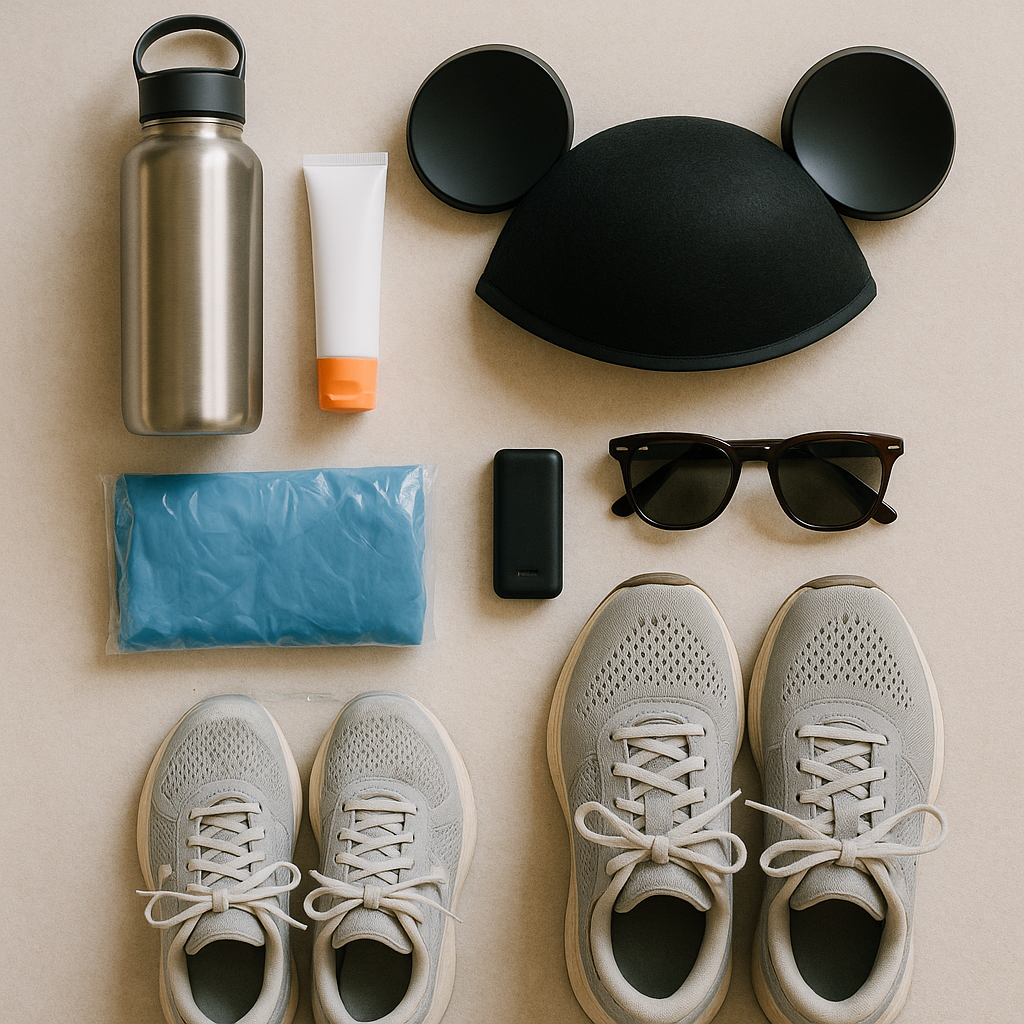
Before you head to the parks, make sure your bag is packed to handle the inevitable weather swings:
- [ ] Cooling towels: Wet them in the morning to keep your core temperature down midday.
- [ ] Packable rain ponchos: Buy cheap ones before your trip. Disney ponchos are expensive, and umbrellas are useless in a crowded park or sideways rain.
- [ ] Water-resistant shoes: Puddles form fast. Bring an extra pair of dry socks in a ziplock bag.
- [ ] Portable fan: A neck fan or stroller fan is a game-changer when the air gets stagnant in Animal Kingdom.
Season-by-Season Weather Breakdown
Florida weather isn’t just hot—it’s highly seasonal, and packing wrong or flying on the wrong day can cost you time and money.
When planning a Walt Disney World trip, the month you choose dictates exactly how you attack the parks. A rope drop in January feels wildly different than a midday slog in July.
| Month | Avg. High/Low (°F) | Rain (inches) | Humidity | Crowd Level |
|---|---|---|---|---|
| January | 71° / 52° | 2.4" | Moderate | Moderate to High |
| February | 74° / 54° | 2.5" | Moderate | Moderate to High |
| March | 78° / 57° | 3.8" | Moderate | High (Spring Break) |
| April | 83° / 63° | 2.7" | Moderate | High |
| May | 88° / 69° | 3.3" | High | Moderate to High |
| June | 91° / 73° | 7.6" | Oppressive | High |
| July | 92° / 75° | 7.3" | Oppressive | Very High |
| August | 92° / 75° | 7.1" | Oppressive | Moderate to High |
| September | 90° / 74° | 6.1" | High | Low to Moderate |
| October | 85° / 68° | 3.3" | Moderate | Moderate |
| November | 78° / 59° | 2.2" | Moderate | Moderate to High |
| December | 73° / 55° | 2.6" | Moderate | High to Very High |
Winter (December–February)
The move is layering—mornings start in the 40s or 50s, but you’ll be sweating in the sun by 2:00 PM.
Winter in Central Florida is entirely unpredictable. You might get a week of perfect 75-degree days, or a sudden cold snap that drops the wind chill into the 30s. Sunrise is late (around 7:15 AM) and sunset is early (around 5:30 PM), meaning Early Theme Park Entry happens in the dark and evenings get chilly fast.
- Heat wave risk: Low, but 80-degree days do happen.
- Cold snap risk: High. Always bring real winter gear.
- Pro tip: Pack gloves and a beanie. You won’t think you need them, but waiting for the rope drop at 7:30 AM in a 42-degree wind chill is miserable without them.
Winter Packing Essentials:
- [ ] Lightweight, packable jacket
- [ ] Gloves or mittens for early mornings
- [ ] Layers (t-shirts under zip-up hoodies)
Spring (March–May)
The sweet spot for weather, but you will trade comfort for some of the highest crowd levels of the year.
March and April offer the most comfortable weather of the year, with daytime highs in the low 80s and manageable humidity. But by May, the heat cranks up and the daily afternoon thunderstorms begin to return. Daylight hours stretch out, giving you significantly more time to enjoy the parks before sunset.
- Heat wave risk: Moderate (May often feels like deep summer).
- Cold snap risk: Low (mostly isolated to early March).
Spring Packing Essentials:
- [ ] Strong sunscreen (the Florida sun burns even at 75 degrees)
- [ ] Light rain jacket or poncho
- [ ] Comfortable, breathable daytime wear
Summer (June–August)
Expect brutal heat, oppressive humidity, guaranteed afternoon thunderstorms, and major logistical hurdles just getting to Orlando.
Summer is a pure endurance test. Highs sit in the low 90s, but the humidity pushes the “feels like” temperature past 100 degrees daily. Thunderstorms roll in almost every afternoon between 2:00 PM and 5:00 PM, causing outdoor rides to temporarily close.
The real hidden danger of summer isn’t just the heat—it’s the travel logistics. From June through August, airlines routinely trim seats on Orlando-bound routes by 8 to 10 percent. Because this reduction isn’t announced far in advance, the cheapest seats disappear quickly, and weather-related cancellations can leave you stranded.
To protect your trip:
-
Book your flights at least 45 days out.
-
Choose a flexible fare that allows date changes without hefty penalties so you aren’t scrambling for a last-minute seat.
-
Keep a backup airport in mind (like Tampa International) if your Orlando flight is delayed or dropped.
-
Heat wave risk: Guaranteed.
-
Cold snap risk: Zero.
-
Pro tip: Don’t fear the rain if you have a Lightning Lane Single Pass for TRON Lightcycle / Run. The massive outdoor launch canopy completely covers the track, meaning it often keeps running in a downpour unless there is severe lightning in the immediate area.
Summer Packing Essentials:
- [ ] Multiple pairs of moisture-wicking socks (change them midday)
- [ ] Cooling towels or personal neck fans
- [ ] Sturdy ponchos (skip the cheap dollar-store ones that stick to your skin)
Fall (September–November)
September is just summer part two, but October and November finally break the heat—just be prepared to dodge hurricane season.
Early fall is peak hurricane season in Florida. September remains scorching hot and very wet, often bringing significant weather delays. Real relief usually doesn’t arrive until mid-to-late October, when the humidity breaks and evenings become pleasant again. By November, you’re back into layer territory, and sunset creeps earlier, dropping back to 5:30 PM after Daylight Saving Time ends.
- Heat wave risk: High in September, Moderate in October.
- Cold snap risk: Moderate in November.
Fall Packing Essentials:
- [ ] Extra shoes (so one pair can dry in your hotel room after a torrential downpour)
- [ ] Layers for late fall evenings
- [ ] A flexible mindset for potential storm disruptions
Month-by-Month Quick Reference
- Biggest risk: Summer thunderstorms and hurricane season travel disruptions (airlines routinely cut Orlando flight capacity by 8–10% from June through August).
- Smartest move: Book flights at least 45 days out using flexible fares that allow penalty-free date changes.
- Backup plan: Route through Tampa International if your Orlando flights get dropped or heavily delayed.
- Skip: Basic economy tickets during storm season—if weather traps you in Florida, you need the flexibility to rebook quickly without fees.
This guide is for planners who want to avoid getting stranded by Florida’s unpredictable weather, from daily summer downpours to late-fall hurricanes. By anticipating airline capacity cuts and knowing exactly when to deploy backup routes, you’ll protect your trip investment and bypass the stress of last-minute scrambling.
The Best Time to Go: Matching Weather to Your Priorities
There’s no perfect month at Disney World — there’s only the month that matches what you’re optimizing for, and every choice trades one thing for another. Decide your single biggest priority first (comfort, crowds, budget, dry days, or a kid who melts in heat), then pick the window that serves it. Here’s how the trade-offs actually shake out.
The quick decision table
| If your priority is… | Aim for… | Why | The trade-off if you wait |
|---|---|---|---|
| Mild, comfortable weather | Late November–early March | Daytime highs typically sit in the 60s–70s°F, low humidity, minimal rain | Holiday weeks spike crowds and prices hard |
| Lowest crowds | Mid-January (after the marathon weekend) and the weeks after Labor Day | Kids are in school; parks breathe | September brings peak heat and hurricane-season risk |
| Best budget | Late August–September, early December (pre-holiday) | Off-peak room and ticket pricing | You’re paying with heat (Aug) or short daylight (Dec) |
| Avoiding rain | November–April | Florida’s daily downpours are a summer thing; winter is the dry season | Cooler evenings — pack a layer |
| Families with little kids or heat-sensitive members | February–March or November | Manageable temps for stroller naps and long lines without overheating | Book early; these mild windows fill fast |
Mild weather: the late-fall to early-spring sweet spot
If comfort is the whole game, target late November through early March. Highs in the 60s and 70s, low humidity, and the year’s lowest rain odds make every queue and walking path tolerable. The catch is obvious once you look at a calendar: Thanksgiving week, Christmas-to-New Year’s, and Presidents’ weekend are the busiest, priciest days of the year. The move is to thread the needle — early December and mid-January through February deliver near-identical weather without the holiday surge.
Low crowds vs. heat: you usually can’t have both
The genuinely empty weeks — after marathon weekend in January, and the stretch from Labor Day into early October — split into two camps. January gives you low crowds AND good weather, which is why veterans guard those dates. September gives you low crowds but brutal heat and the highest hurricane-season risk of the year. If you’re chasing walk-on waits and the budget that comes with them, September delivers; just go in knowing you’re trading comfort and accepting a weather gamble.
Budget: the value seasons and their price
The cheapest windows are late August–September and the first couple weeks of December. You’ll see softer room rates and ticket pricing precisely because demand drops — and demand drops for a reason. August buys you savings with oppressive heat and afternoon thunderstorms; early December buys them with shorter daylight and cooler nights. Neither is bad; both are honest trades.
Families with little kids or heat-sensitive members
For young kids, the elderly, or anyone who wilts in heat, summer is the hardest difficulty setting — go in February–March or November instead. Mid-90s°F with EPCOT-grade humidity turns a normal park day into a survival exercise, and it’s the little ones and heat-sensitive adults who break first. Cooler months mean longer days on your feet, easier stroller naps, and fewer midday meltdowns.
If you’re locked into summer, build the day around the heat instead of fighting it:
- [ ] Rope drop the big-ticket rides while it’s coolest
- [ ] Retreat to a sit-down lunch or the resort pool from roughly noon to 4 p.m.
- [ ] Return for the evening, when temps and lines both ease
- [ ] Pack a cooling towel, refillable water, and an electrolyte mix
Pro tip: The same “go by temperament, not the calendar” rule you’d use for a coaster applies to weather and your travel party. A toddler who naps poorly and overheats fast doesn’t belong in a July Magic Kingdom afternoon any more than a cautious kid belongs on Cosmic Rewind — read the person in front of you, not the date on the brochure.
The one thing to remember
Pick your single priority before you pick your dates. Mild weather lives in late fall and winter; rock-bottom crowds and prices live in late summer and early fall but cost you heat and storm risk; and the rare January window that gives you both is the one savvy planners book first.
Summer Heat and Humidity: Surviving June Through September
Treat Florida’s summer weather as a tactical obstacle: knock out outdoor headliners early, retreat to air conditioning midday, and use the daily afternoon downpours to your advantage.
Summer is the hardest season to plan for at Walt Disney World. The heat is oppressive, the humidity is draining, and the afternoon thunderstorms are practically scheduled. To survive without melting down—or watching your family melt down—you need a militant strategy for temperature management and line avoidance.
The Rope-Drop Heat Strategy
Use SupaPark’s live wait data to time your outdoor attractions for the coolest hours of the morning. Slinky Dog Dash is a perfect example: it’s a fully exposed outdoor coaster in Toy Story Land, which turns into a humid oven by noon. If you aren’t booking a Lightning Lane Multi Pass for it, you must rope drop it.
Rope drop no longer means strolling up at park open. If the park opens at 9:00 AM, you need to be at the front gates by 8:00 AM. Disney routinely starts moving guests through security and into holding areas well before the posted time. For Disney hotel guests utilizing Early Theme Park Entry to get in 30 minutes before the crowds, leave your resort early enough to be at the front of that initial pack.
Before you sprint to a coaster with a young child, make sure they actually want to ride. The single smartest thing you can do is stop deciding by a child’s age and go by temperament. Do the home video test: pull up an on-ride video of Slinky Dog Dash at home. If your kid watches the hills and says “I want to do that,” you’re good to go. If they cover their eyes, they just answered the question for free. You just saved yourself a morning meltdown and a wasted Lightning Lane.
Riding Out the Afternoon Downpours
Between 2:00 PM and 4:00 PM, expect torrential rain. Most guests scatter and head back to their resorts. The smart move is to stay in the park and ride the storm out.
Take TRON Lightcycle / Run at Magic Kingdom (a Lightning Lane Single Pass attraction). You might assume rain shuts down this coaster because of its massive outdoor launch. It doesn’t. TRON has an enormous canopy that completely covers the outdoor track, meaning you won’t get rained on. While other outdoor coasters close quickly for weather, TRON keeps running unless there is severe lightning in the immediate area. Keep an eye on SupaPark’s best-time-to-ride forecaster to spot exactly when the line historically drops during these afternoon storms.
Pro tip: The absolute best time to hop in the standby line for TRON is during the Happily Ever After fireworks or the afternoon parade. While thousands of guests are packed onto Main Street, U.S.A., the queue for this coaster reliably thins out.
The AC Reset: Where to Cool Down
You need dedicated indoor, heavily air-conditioned breaks built into your afternoon. Do not try to push through the 2:00 PM heat wall. Here are the best spots to lower your core temperature while still experiencing the parks:
| Park | Best AC Attraction Refuge | Best Cool-Down Lounge or Quick Service |
|---|---|---|
| Magic Kingdom | Mickey’s PhilharMagic (Long, dark, freezing cold theater) | Columbia Harbour House (Head upstairs for quiet, empty seating) |
| EPCOT | The American Adventure (30+ uninterrupted minutes of AC) | Connections Eatery (Massive space, great AC, highly underrated food) |
| Hollywood Studios | For the First Time in Forever: A Frozen Sing-Along | BaseLine Tap House (Shaded patio, massive fans, cold drinks) |
| Animal Kingdom | Festival of the Lion King (Indoor stadium seating) | Nomad Lounge (Premium AC and excellent craft cocktails) |
The Heat Exhaustion Prevention Pack
Dehydration and sunburn ruin more Disney trips than bad planning. Bring order to your park bag by packing these specific summer essentials every morning:
- [ ] Insulated water bottles: Ice water is free at all Disney quick-service restaurants. Fill up constantly and keep it cold.
- [ ] Cooling towels: Snap them with cold water and drape them around your neck.
- [ ] Portable neck fans: A game-changer when you’re stuck in a stagnant, outdoor switchback queue.
- [ ] Electrolyte packets: Water isn’t enough; you sweat out too much salt walking 10 miles a day. Drink an electrolyte multiplier before 10:00 AM.
- [ ] UVA/UVB sunscreen: Reapply every two hours. The Florida sun will blister you even through heavy cloud cover.
- [ ] Packable rain ponchos: Buy these cheap at home before the trip. Do not wait to buy a premium-priced piece of plastic inside the parks when the sky opens up.
Florida’s Rainy Season and Afternoon Thunderstorms
A Florida downpour isn’t a ruined day — it’s a wait-time discount, if you know which rides keep running. From May through October, the rain isn’t an exception; it’s the schedule. Plan around it and you’ll walk onto headliners while everyone else hides under a gift-shop awning.
How the daily storm pattern actually works
Florida’s warm season runs on a predictable rhythm: mornings are sunny and humid, the heat builds, and storms fire up in the afternoon — usually peaking roughly 1:00–5:00 PM. Most cells are intense but short, often blowing through in 20–45 minutes rather than parking overhead all day. That’s the whole strategic key: it’s a passing punch, not a daylong washout.
What that means for your day:
- Front-load outdoor headliners in the morning before the sky turns.
- Bank indoor attractions, shows, and sit-down meals for the early-afternoon window.
- Treat the post-storm hour as prime time — crowds thin, lines reset, and the air actually cools off.
Lightning closes more than you think
When lightning is detected in the area, Disney pulls people off anything exposed — and that includes the pools back at your resort, not just rides. Expect temporary closures on open-air coasters and water attractions; they typically reopen within minutes of the lightning clearing.
| Tends to close fast in storms | Usually keeps running | Always a safe bet |
|---|---|---|
| Open-air coasters, water rides, resort pools, parades/fireworks | Covered or partially enclosed coasters (see TRON below) | Dark rides, indoor shows, theaters, table-service dining |
Pro tip: TRON Lightcycle / Run has an enormous sweeping canopy that fully covers its outdoor launch — you won’t get rained on riding it, and it often keeps running through rain that shutters other Magic Kingdom coasters, closing only for lightning in the immediate area. When the skies open, that’s your move while everyone assumes it’s down.
Flip the storm into a low-wait window
Rain scatters the crowd toward indoor bottlenecks, but it also empties the standby lines for anything covered or quick to reopen. Two plays:
- Queue up a covered ride during the worst of it. You’re sheltered in line, and you’ll often board with a fraction of the dry-weather wait.
- Be ready the second a ride reopens. Outdoor coasters that paused for lightning come back with short lines because the casual crowd wandered off. SupaPark’s best-time-to-ride forecaster shows when those waits historically crater — and the live alerts ping you the moment a ride flips back to near walk-on, so you’re moving while others are still checking the radar.
The same “ride during the distraction” logic that works for storms works for fireworks and parades. While thousands pack Main Street, U.S.A. for Happily Ever After or the afternoon parade, the TRON and Slinky Dog standby lines reliably thin out.
Rain-day pivots, park by park
| Park | Duck indoors here | Smart rainy-window play |
|---|---|---|
| Magic Kingdom | Haunted Mansion, Pirates, Carousel of Progress, Mickey’s PhilharMagic | Ride TRON under its canopy; queue covered dark rides while the cell passes |
| EPCOT | World Showcase pavilions, Living with the Land, Guardians: Cosmic Rewind (Single Pass) | Eat or drink around World Showcase — it’s a covered crawl between countries |
| Hollywood Studios | Indoor shows, Star Wars: Rise of the Resistance, Toy Story Mania | Hit Slinky Dog the instant it reopens post-lightning; lines reset hard |
| Animal Kingdom | Festival of the Lion King, Na’vi River Journey, It’s Tough to Be a Bug | Save the open-air safari and Everest for after the storm clears |
Pack for the pattern, not the forecast
A “0% this morning” forecast means nothing about 3:00 PM. Carry rain gear daily May–October:
- [ ] Compact poncho per person (cheaper and more wind-proof than a flimsy umbrella in a crowd)
- [ ] Gallon zip bag or dry pouch for your phone
- [ ] Quick-dry footwear or a backup pair of socks
- [ ] Portable charger — you’ll lean on My Disney Experience and wait-time checks all day
The one thing to remember: rainy season storms are short, predictable, and crowd-clearing. Bank indoor attractions for the early-afternoon window, keep a covered headliner like TRON in your back pocket, and let SupaPark’s forecaster and alerts tell you the exact moment a soaked line turns into a walk-on.
Hurricane Season: What Planners Need to Know
The Atlantic hurricane season runs from June through November, but a Disney World trip during these months requires preparation, not panic.
The reality is that direct hurricane strikes on Orlando are relatively rare, as the city sits inland. However, the ripple effects—heavy rain, high winds, flood advisories, and flight disruptions—are common, especially during the late summer and fall peak. If you’re traveling during this window, you need a flexible strategy and an understanding of how Disney operates when the weather goes sideways.
The Realistic Risk Level and Disney Operations
Disney World is built to weather the storm. The resort has its own power grid, robust drainage systems, and buildings constructed to withstand extreme winds. It is often considered one of the safest places to be in Central Florida during a severe weather event.
When a major storm approaches, Disney’s priority shifts to guest safety. Here is how operations actually change:
- Phased Closures: Parks may close early or remain closed for a full day depending on the storm’s trajectory.
- Outdoor Ride Suspensions: Lightning within a tight radius immediately shuts down outdoor attractions like Seven Dwarfs Mine Train and Slinky Dog Dash.
- Ride Through the Rain: Not all outdoor coasters close for weather. TRON Lightcycle / Run features an enormous sweeping canopy that completely covers its outdoor track. While other Magic Kingdom coasters shut down quickly for weather, TRON often keeps running unless there is severe lightning in the immediate area. Stay in line—you will not get rained on while riding.
- Resort Lockdowns: If a severe storm hits, guests are instructed to shelter in their resort rooms. Disney typically provides boxed meals (often referred to as “hurricane meal kits”) and sometimes sets up character meets in the resort lobbies to keep morale high.
Booking Flights: Summer Capacity Cuts
Airlines quietly reduce their Orlando capacity during the summer storm season, making flexibility critical.
From June through August, airlines routinely trim seats on Orlando-bound routes by 8-10%. Because these reductions aren’t announced far in advance, the cheapest seats disappear quickly, and rebooking after a weather-related cancellation becomes much harder.
| Flight Strategy | Why It Matters | The Smart Move |
|---|---|---|
| Booking Window | Capacity drops mean fewer backup seats if your flight is grounded. | Secure your tickets at least 45 days out. |
| Fare Types | Weather delays are common. Strict tickets leave you stranded. | Choose a flexible fare that allows date and time changes without hefty penalties. |
| Alternate Airports | Orlando International (MCO) takes the brunt of regional cancellations. | Keep a nearby airport like Tampa International (TPA) on your radar as a backup plan. |
The Action Plan: If a Storm Threatens Your Trip
If a named storm is heading toward Florida in the days before your trip, stay calm and monitor the situation. Don’t cancel your plans weeks in advance based on long-range spaghetti models; storm paths change drastically. Instead, keep a close eye on official Orange County flood alerts and National Hurricane Center updates.
If a hurricane warning is issued for the Orlando area (or your residence) within seven days of your scheduled arrival, Disney’s official policy generally allows you to reschedule or cancel your Walt Disney Travel Company vacation package without Disney-imposed cancellation fees.
To stay ahead of the weather, use this packing and prep checklist:
- [ ] Pack extra portable battery chargers in case of resort power bumps.
- [ ] Bring two pairs of comfortable walking shoes per person; one will inevitably get soaked, and walking in wet shoes for miles will ruin your trip.
- [ ] Buy quality ponchos before you travel. Theme park ponchos are expensive and flimsy.
- [ ] Pack non-perishable snacks (granola bars, crackers) in your luggage in case dining locations close or lines for food grow long during a lockdown.
- [ ] Download the My Disney Experience app and ensure push notifications are on for urgent operational updates.
- [ ] Screenshot all of your reservations and boarding passes; cell service can get jammed during a storm.
Do You Need Travel Insurance?
If you are traveling between August and October, travel insurance is highly recommended.
While Disney is flexible with their own packages during an official hurricane warning, that flexibility does not automatically cover your third-party expenses.
Disney will not refund your airfare, rental car, or off-site hotel if you cannot travel. Travel insurance bridges that gap. Make sure to purchase a policy before a storm is named; once a hurricane becomes a known event, you can no longer buy coverage for it. Read the fine print to ensure it covers weather-related trip interruptions and cancellations.
Pro tip: Keep a close eye on SupaPark’s live ride operational status. When a pop-up afternoon storm clears, outdoor rides come back online quickly. SupaPark will ping you the second a ride like Slinky Dog Dash reopens, letting you beat the rush and walk on while everyone else is still huddled in gift shops.
Winter and Cold Snaps: The Underrated Season
The honest take: winter is the closest Disney World gets to perfect weather — low humidity, comfortable afternoons, manageable mid-week crowds — but the season comes with two booby traps: cold fronts that bottom out your mornings, and the holiday weeks that turn the parks into a sardine can.
From roughly January through February, daytime highs often sit in a walk-around-in-a-t-shirt sweet spot and the swampy summer humidity is gone. That’s why veterans quietly love it. The catch is variance: a Florida cold front can drag a morning into the 40s, and that changes how you plan a day, not just what you pack.
Why the cold front is the real planning variable
A 45°F rope drop and a 70°F afternoon are the same day. Plan for both or you’ll be miserable for half of it.
- Mornings bite, afternoons don’t. The coldest stretch is rope drop through mid-morning. By early afternoon you’re often peeling layers off.
- Water rides feel brutal when it’s cold. Anything that soaks or sprays — think the splash-down finale on Tiana’s Bayou Adventure (the former Splash Mountain) at Magic Kingdom — goes from refreshing to teeth-chattering. Save those for the warmest part of the afternoon, or skip them on a genuine cold-snap day.
- Resort pools and water parks lose their appeal. Pools are heated, but standing around wet in 50-degree air isn’t fun, and a chilly snap can pause water-park operations. Don’t build a day around swimming in a cold week.
- Some outdoor experiences feel “off.” Open-air shows, splash zones, and long exposed queues drag when the wind is up.
How to layer for a swing-day
The move is layers you can stuff in a bag, not one heavy coat.
- [ ] Base layer (long sleeve or tee)
- [ ] Mid layer (light fleece or hoodie)
- [ ] Packable jacket or rain shell for wind and the odd drizzle
- [ ] Beanie + light gloves for a cold rope drop
- [ ] A small backpack to dump layers into by lunch
Pro tip: Front-load thrill and indoor rides in the cold morning, then push water rides and big outdoor coasters to the warm afternoon. The bonus: an outdoor coaster like TRON Lightcycle / Run keeps running through most light rain (its outdoor launch sits under a huge canopy, so you don’t get soaked), which makes it a smart afternoon target when an iffy-weather day scares other guests off the standby line.
The crowd-and-holiday trade-off
This is where winter splits in two. The calendar matters more than the thermometer.
| Window | Weather | Crowds | Verdict |
|---|---|---|---|
| Christmas–New Year’s | Mild, festive | Peak-of-peak | Magical, but expensive and packed — only if holiday atmosphere is the whole point |
| Early–mid January (post-holiday) | Cool, low humidity | Among the lightest of the year | The sweet spot most planners miss |
| Late January–February (non-holiday) | Comfortable, occasional cold snap | Light-to-moderate mid-week | Great value, short lines |
| Presidents’ Day / marathon weekends | Variable | Spikes hard | Check the calendar before committing |
The smart play: target a non-holiday weekday in January or February. You get the good weather and the short lines. If you want the garlands, tree, and seasonal overlays, you accept the holiday-week crush — there’s no version where you get both.
Make the variance work for you
- Watch the forecast the week before, not the month before. Florida cold fronts move in on a few days’ notice. Pack the layers regardless.
- Let the data pick your morning. Cold, gray days scare casual guests off headliners — exactly when standby lines dip. SupaPark’s best-time-to-ride forecaster flags those windows so you can pounce while everyone else waits for it to warm up.
- Set an alert and let it find you. When a water ride or outdoor coaster craters to near walk-on on a chilly afternoon, SupaPark pings you so you can grab the ride while the line’s soft — then you book any Lightning Lane in My Disney Experience yourself.
The one thing to remember: winter delivers the best weather-to-crowd ratio of the year if you dodge the holiday weeks and plan for a 40s-to-70s swing in a single day. Dress in layers, time your water rides for the afternoon, and aim for a non-holiday January or February weekday.
What to Pack for Each Season
Pack for the season, not the suitcase you always bring — Florida punishes a one-bag-fits-all approach, and the wrong shoes can cost you an afternoon. Disney World weather swings hard between a July afternoon thunderstorm and a January morning that genuinely needs a jacket. Here’s how to dial it in.
Summer (June–August): beat the heat, not just the rain
Summer is the test. Highs sit in the low 90s with brutal humidity, and a downpour rolls through most afternoons like clockwork. Cotton is your enemy here — it soaks, clings, and never dries.
- [ ] Moisture-wicking shirts and shorts (synthetic or performance blends, not cotton)
- [ ] A cooling towel you can soak at a water fountain and drape on your neck
- [ ] Reef-safe sunscreen (SPF 30+) plus a hat and sunglasses
- [ ] A refillable water bottle — quick-service spots give free cups of ice water all day
- [ ] A compact poncho for the afternoon storm
Pro tip: Pack two pairs of shoes and swap to dry ones at your midday hotel break. Riding water attractions and walking 20,000 steps in the same soaked sneakers is how blisters end a trip early.
Rainy season overlap: ponchos beat umbrellas
Florida’s wettest stretch runs roughly June through September, but a quick storm can hit any month. The eternal debate — poncho or umbrella — has a clear winner in a theme park.
| Option | Pros | Cons | Verdict |
|---|---|---|---|
| Poncho | Hands-free, packs tiny, works in line and on most rides | Hot, looks goofy | The everyday pick |
| Umbrella | Cooler, more comfortable browsing | Useless in wind, awkward in queues, banned on some attractions | Backup only |
| Dry bag / pouch | Keeps phone and chargers safe | One more thing to carry | Worth it in summer |
Bring a couple of cheap ponchos from home — park prices run several times what you’d pay at a drugstore, and you’ll want spares. A small dry bag or zip pouch for your phone, portable charger, and MagicBand saves you from a dead device after one good soaking.
Winter (December–February): layers for a 30-degree swing
Here’s what trips people up: a Florida winter morning can start in the 40s or 50s and climb to the 70s by lunch. Pack for both ends of that swing in a single day.
- [ ] A light jacket or fleece for rope drop and after dark
- [ ] Long sleeves you can push up or peel off
- [ ] A small bag to stash the jacket once it warms up
- [ ] Closed-toe shoes — cooler mornings make sandals a regret
You’re not packing for snow, but you are packing for the gap between a chilly 8 a.m. and a mild afternoon. The move is layers you can shed and stuff into a park bag, not a single heavy coat you’ll be carrying by noon.
Shoulder seasons (spring and fall): versatile and adaptable
March through May and September through November are the sweet spot — milder crowds, gentler temps — but also the least predictable. A spring day can feel like summer or like a cool snap; fall still carries hurricane-season storm risk into November.
The strategy is versatility: pack pieces that mix and match across a 25-degree range.
- [ ] A light layer for mornings and evenings
- [ ] Breathable short-sleeve tops for warm afternoons
- [ ] A packable poncho (storm risk never fully leaves)
- [ ] Comfortable walking shoes that handle both dry and damp
The season-by-season cheat sheet
| Season | Expect | Must-pack | Skip |
|---|---|---|---|
| Summer | 90s, daily storms, heavy humidity | Cooling towel, wicking clothes, poncho, dry bag | Cotton everything, umbrella as your only rain plan |
| Rainy overlap | Sudden afternoon downpours | Spare ponchos, phone dry pouch, quick-dry shoes | Suede or non-draining sneakers |
| Winter | 40s–70s same-day swing | Light jacket, layers, closed-toe shoes | Heavy coat, sandals |
| Shoulder | Mild but unpredictable | Mix-and-match layers, packable poncho | Bulky single-purpose pieces |
The one thing to remember: no matter the season, two things never leave your bag — a poncho and a backup pair of dry shoes. SupaPark’s crowd forecasts tell you when to go; packing for the actual forecast is what keeps a surprise storm or a cold rope drop from rewriting your whole day.
The Year-Round Park Bag Essentials
A great park bag isn’t about what you carry — it’s about how fast you can find it. Build one weather-proof kit that works in January chill or August downpour, and you stop digging through a cluttered bag while your kid melts down and your Lightning Lane window ticks by.
The non-negotiables (pack these every single day)
These five earn their spot in any season. Everything else is optional.
- [ ] Portable charger + cable. This is the one most people underestimate. My Disney Experience runs your whole day — Lightning Lane refills, wait times, mobile food orders, Genie-free park maps, photos — and it drains a phone fast, especially in heat. A dead phone means no Lightning Lane, no PhotoPass, no SupaPark alerts. Carry a charger that tops off at least two phones, and plug in before you hit 50%, not after.
- [ ] Reusable water bottle. Florida humidity dehydrates you faster than you’d think. Refill at any quick-service counter for free instead of paying bottled-water prices all day.
- [ ] Travel sunscreen + lip balm with SPF. Reapply midday — the parks offer almost no shade in the queues that matter.
- [ ] Compact rain poncho. Not an umbrella (awkward in crowds, useless in wind). A folded poncho weighs nothing and beats a $13 character poncho bought mid-storm.
- [ ] Blister care. A few hydrocolloid bandages and a small pack of moleskin. You’ll walk 10+ miles a day; a hot spot at 11 a.m. becomes a trip-ruiner by 3 p.m. if you ignore it.
Pro tip: Charge your power bank and your phone overnight, every night. The charger is only insurance if it’s actually full — a dead backup battery is just dead weight, and that’s the exact moment a hard-to-get dining drop or a walk-on alert lands.
Why phone battery is the whole ballgame
You are on your phone constantly at Disney World, and most of the heavy lifting happens in My Disney Experience: snagging Lightning Lane Multi Pass selections at 7:00 AM, refilling them one at a time as you redeem, mobile-ordering lunch, checking wait times. Heat plus a bright screen plus nonstop use is a battery killer.
This matters double if you’re leaning on live alerts. SupaPark pings you the second a ride craters to walk-on, a Lightning Lane refills, or a tough dining reservation drops from a cancellation — but you can only pounce in My Disney Experience if your phone’s alive. Battery management is opportunity management.
| Charger type | Best for | The trade-off |
|---|---|---|
| Slim 5,000 mAh bar | A solo guest, light use | One partial top-off; you’ll babysit your %, |
| 10,000 mAh brick | Most families | Charges two phones; the everyday sweet spot |
| Multi-port hotel charger | Groups + MagicBand+ | Juices several devices overnight; too bulky for the bag |
| In-park rental locker | Forgot yours entirely | Costs more per day than just owning one |
Organize so you find essentials in five seconds
Tote, sling, belt bag, Loungefly mini-backpack — the style doesn’t matter; the internal organization does. The popular backpacks look great but run shallow on pockets, so everything ends up in one black hole at the bottom.
- Add a backpack insert. A cheap pocketed organizer that slides inside turns one big compartment into a dozen findable slots — sunscreen here, charger there, snacks up top.
- Zone it. Daily-grab items (phone, charger, sunscreen, poncho) go in outer or top pockets. Backup gear (extra cables, first aid, ponchos) lives deeper.
- Pouch the small stuff. A single zip pouch for blister care, meds, and lip balm beats fishing loose bandages out of a corner.
- Pack a folding tote. Flat in your bag all day, then it carries the merch and snacks you buy without you white-knuckling a paper bag onto the bus.
A few season-aware swaps
The core kit stays the same; you just tune two or three items.
| Season | Add to the bag | Why |
|---|---|---|
| Summer (Jun–Sep) | Cooling towel, extra water, hand fan | Afternoon storms + brutal humidity |
| Winter (Dec–Feb) | Packable light jacket or fleece | Mornings can dip cold before warming up |
| Spring/Fall | Layer you can stuff away | Big temperature swings between rope drop and midday |
The one thing to remember
Build a single weather-proof bag once, keep the charger topped off, and organize it so essentials surface in seconds. Do that and you’re never the family rummaging through a backpack while the window to grab a ride or a table quietly closes.
Weather-Smart Touring: Sequencing Your Day Around the Forecast
Amateurs scramble when the sky opens up or the temperature spikes, but the smart move is building a park day that naturally dodges the worst of Florida’s weather before it happens.
Florida’s weather is predictably volatile. Midday heat is punishing, and afternoon thunderstorms are practically guaranteed from late spring through early fall. Instead of letting the forecast dictate your mood, use SupaPark’s day builder to sequence your itinerary around the elements. You want to be conquering an outdoor coaster when the morning air is cool, and sitting deep inside an air-conditioned dark ride when the 2:00 PM downpour hits.
The Elements-Proof Itinerary
To outsmart the weather, you need to structure your day into four distinct phases. Treat this sequence as your baseline strategy:
- [ ] Morning (Rope Drop to 11:00 AM): Prioritize outdoor headliners. Rides like Slinky Dog Dash, Seven Dwarfs Mine Train, and Test Track shut down at the first sign of lightning in the area. Knocking these out early ensures you don’t miss them if afternoon storms park over the resort.
- [ ] Midday (11:00 AM to 3:00 PM): Retreat to the A/C. This is the time for long, indoor attractions, stage shows, or a sit-down dining reservation. If you are stacking Lightning Lane Multi Pass selections, aim to book indoor rides for this window so your wait is entirely out of the sun.
- [ ] Late Afternoon (3:00 PM to 5:00 PM): Ride out the rain. When the daily thunderstorm rolls in, outdoor walkways empty out. Use this time for water rides like Kali River Rapids, or stay tucked away in massive indoor pavilions until the weather clears.
- [ ] Evening (5:00 PM to Close): Capitalize on cooler hours and crowd distractions. Once the sun drops, tackle remaining outdoor rides or jump into standby lines for major attractions while the masses secure spots for nighttime spectaculars.
The TRON Strategy: Using Weather and Distractions
TRON Lightcycle / Run at Magic Kingdom is the ultimate case study in playing the weather and the crowds. Florida downpours are infamous, and TRON features a massive outdoor launch sequence. You might assume rain ruins the experience or shuts the ride down. The smart move: stay in line.
TRON has an enormous, sweeping canopy that completely covers the outdoor portion of the track. You will not get rained on while riding. While other outdoor coasters in Magic Kingdom close quickly for weather, TRON often keeps running unless there is severe lightning in the immediate area. When other guests bail from the queue because of the rain, hold your ground.
Pro tip: The smartest time to hop into the standby line for TRON is during the Happily Ever After fireworks or the afternoon parade. While thousands of guests are packed onto Main Street, U.S.A., the queue for this Lightning Lane Single Pass coaster reliably thins out. Keep an eye on SupaPark’s best-time-to-ride forecaster to spot exactly when the line historically drops during these windows.
Park-by-Park Weather Tactics
Every Disney World park handles the elements differently. Knowing the terrain dictates how you schedule your Lightning Lane selections and where you take cover.
| Theme Park | The Weather Reality | The Smart Move |
|---|---|---|
| Magic Kingdom | High density of indoor queues and rides, making it relatively easy to escape the heat or rain quickly without walking far. | Stack your midday Lightning Lane Multi Pass selections for indoor classics like Pirates of the Caribbean or Haunted Mansion. |
| EPCOT | The front half features massive indoor pavilions, but World Showcase is a sprawling, exposed concrete loop with very little cover between countries. | Do World Showcase in the cooler evening hours. Spend the peak afternoon heat exploring The Land or The Seas pavilions. |
| Hollywood Studios | A concrete jungle that heavily reflects heat. Many outdoor queues offer minimal shade, making midday waits brutal. | Book a midday table service lunch (use SupaPark’s Drop Watch to snag a canceled Sci-Fi Dine-In reservation) to completely escape the sun. |
| Animal Kingdom | Heavily shaded by a lush canopy, but the dense foliage traps humidity, making it feel notably hotter and stickier than the other parks. | Arrive well before rope drop. The animals are most active in the cooler morning air, and the humidity becomes oppressive by 1:00 PM. |
By aligning your attraction strategy with historical weather patterns—and keeping SupaPark’s live forecasting tools open on your phone—you can spend your day moving comfortably from ride to ride while everyone else is huddled under a poncho.
Using Live Data to Beat the Weather
The weather isn’t your enemy — it’s a crowd-thinning machine, if you know when to pounce. A passing Florida downpour sends thousands of guests stampeding for cover, which means the rides still running just turned into walk-ons. The whole game is knowing which attractions stay open in the rain and being in position the second the line craters. That’s exactly what SupaPark’s live data and alerts at supapark.com are built to catch.
Read the sky, then read the data
Three live signals turn a stormy forecast into a strategy:
- Live wait times — when the sun breaks after a shower, outdoor rides reset to near-zero. Grab them before everyone else realizes the rain stopped.
- Instant ride-down alerts — the moment a coaster closes for lightning, SupaPark flags it, so you stop walking toward a dead end and pivot to something indoors.
- Crowd forecasts and heat maps — see where the park is bunching up (usually under every covered queue and quick-service roof) and route around it.
- Best-time-to-ride forecasts — these account for daily patterns, so you know the historical low points even before weather shakes things up.
Pro tip: A storm’s best window isn’t during the rain — it’s the 15–20 minutes right after it stops, before the crowd filters back out of the shops and shows. SupaPark’s walk-on alerts are tuned to ping you in exactly that gap.
TRON Lightcycle / Run: don’t fear the rain
TRON is the poster child for weather paranoia that costs you a great ride. Here’s the honest read:
| The worry | The reality | The smart move |
|---|---|---|
| Rain shuts it down | A huge sweeping canopy covers the outdoor launch — you won’t get rained on | Stay in line; it usually keeps running unless there’s severe nearby lightning |
| Long line all day | Standby reliably thins during fireworks and the parade | Ride at showtime, when Main Street is packed |
| The locker hassle | TRON makes you stow belongings before boarding | Don’t stress it — just budget a couple minutes for the free lockers |
While other Magic Kingdom coasters close fast for weather, TRON often soldiers on. So when a shower clears the park and timid guests bail, that’s your opening.
- [ ] Time your standby for Happily Ever After fireworks or the afternoon parade
- [ ] Watch SupaPark’s best-time forecaster to spot the historical line dip in those windows
- [ ] Stow bags in the free lockers before boarding
Remember TRON is a Lightning Lane Single Pass ride, bought à la carte — so these timing tricks are how you ride it without spending on the Single Pass.
Slinky Dog Dash: timing beats paying
Slinky Dog is an outdoor coaster in Toy Story Land — one of the most crowd-magnet lands at Hollywood Studios — which makes it a perfect candidate for weather-and-timing plays instead of a Lightning Lane spend.
Two old-school tactics still work:
- Rope drop it. Disney often moves guests through security and into the park before posted open. Be at the front early — not strolling up at park-open — and head straight to Toy Story Land. You’ll knock out Slinky at a fraction of the midday wait.
- Ride during the big distractions. Standby reliably thins when the park’s attention is elsewhere — a parade, a show, fireworks, or a sudden downpour clearing the land.
Pro tip: If there’s real doubt your kid will ride, don’t spend a Lightning Lane on Slinky Dog. Do the at-home on-ride video test first, then decide where your passes go — nothing stings like burning a selection on a ride your child noped out of at the gate.
Let the alerts find you
You can’t stare at wait times all day while you’re actually enjoying the park — and the walk-on windows storms create are short. That’s the point of SupaPark’s live alerts:
| Signal | What SupaPark does | Your move |
|---|---|---|
| Ride craters to walk-on | Pushes you a heads-up the second it drops | Cut across the park before the crowd catches on |
| Ride goes down for weather | Instant ride-down alert | Pivot to an indoor attraction nearby |
| Storm clears | Best-time forecaster flags the dip | Pounce on outdoor rides while they’re empty |
The takeaway
Weather only wrecks an unprepared day. With live wait times, ride-down alerts, crowd heat maps, and best-time forecasts, every passing storm becomes a head start — covered rides like TRON keep running, outdoor headliners like Slinky Dog reset to walk-on, and the guests who ducked for cover hand you their spots in line. Let SupaPark watch the data at supapark.com so you can watch the sky.
Lightning Lane and Dining Timing in Bad Weather
Florida weather shouldn’t dictate your park day — your advance bookings should dictate how you experience the weather.
Shield Your Headliners: The Multi Pass Advance Booking Flow
With Lightning Lane Multi Pass, you purchase and book your initial selections in advance — up to 7 days before arrival for Disney resort guests, and 3 days for off-site guests, starting at 7:00 AM Eastern. You do not wake up at 7:00 AM the day of your visit to scramble for your first ride.
Because you are picking rides days before you see a reliable weather forecast, you need to hedge your bets against the infamous 2:00 PM Florida downpour:
- [ ] Lock in exposed outdoor rides for the morning: Use your advance selections on shade-free headliners before noon.
- [ ] Stack indoor rides for the afternoon: Once you redeem your first selection, you can book another. Target indoor attractions for the stormy or blisteringly hot afternoon hours.
- [ ] Monitor the radar: If a storm is imminent, grab the next available indoor Lightning Lane instead of waiting for a high-tier outdoor ride that is likely to close.
Slinky Dog Dash: The Heat and Temperament Test
Slinky Dog Dash is entirely exposed to the elements, making midday rides brutal in the sun and highly susceptible to lightning closures. It is also a top-tier Multi Pass priority.
But do not book Slinky Dog Dash as your priority Lightning Lane if there is real doubt your child will ride. There is nothing worse than spending a selection on a ride your child nopes out of at the gate. Do the home video test first: pull up an on-ride video and watch your kid watch it. If they cover their eyes, save your Lightning Lane for something else.
If you opt not to use a Multi Pass selection on it, timing is your only lever:
- Rope drop it: Being at the park before official open is the cheapest skip-the-line trick there is. Disney often starts moving guests through security and into the park before the posted time, so aim to be at the front well before opening — not strolling up at park-open.
- Ride during the big distractions: Standby lines for headliners reliably thin out when the park’s attention is focused on parades or major shows.
TRON Lightcycle / Run: The Rain Exception
You might assume an outdoor coaster like TRON Lightcycle / Run (which requires an à la carte Lightning Lane Single Pass purchase or waiting in standby) shuts down during a classic Florida downpour. It doesn’t.
Pro tip: Stay in the TRON line when it starts raining. TRON has an enormous, sweeping canopy that completely covers the outdoor portion of the track. You will not get rained on while riding. While other outdoor coasters in Magic Kingdom close quickly for weather, TRON often keeps running unless there is severe lightning in the immediate area.
If you choose not to buy a Single Pass, the smart move is to ride at showtime. The best time to hop into the standby line for TRON is during the Happily Ever After fireworks or the afternoon parade. While thousands of guests are packed onto Main Street, U.S.A., the queue reliably thins out. Keep an eye on SupaPark’s best-time-to-ride forecaster to spot exactly when the line historically drops during these windows.
Dining Drop Watch: Finding Sanctuary
When the afternoon deluge hits, you do not want to be carrying a tray of food through the rain. Schedule sit-down meals for the hottest or stormiest part of the day to guarantee a 60-to-90 minute break in the air conditioning.
Advance Dining Reservations open 60 days before your trip at 6:00 AM Eastern, but prime indoor tables disappear quickly. If you miss out, let SupaPark do the work. When a hard-to-get reservation frees up from a cancellation, SupaPark’s Drop Watch catches it and pings you instantly. You then tap the alert and grab the table yourself directly in the My Disney Experience app.
Quick Weather Strategy Guide
| Strategy | Best For | Pros | Cons |
|---|---|---|---|
| Morning Outdoor Multi Pass | Slinky Dog Dash, Big Thunder Mountain | Beats the afternoon thunderstorms and peak heat | Uses early selections on rides that might still have moderate morning standby waits |
| Afternoon Indoor Stacking | Pirates of the Caribbean, Haunted Mansion | Guaranteed dry, air-conditioned waits | Indoor rides often see a massive surge in standby lines when it rains |
| TRON During Rain | TRON Lightcycle / Run | Canopy keeps you dry; less crowd competition | Severe lightning in the immediate area will still close the ride |
| Midday Sit-Down Dining | Sci-Fi Dine-In, Coral Reef Restaurant | A guaranteed, comfortable break from heat and rain | Requires booking 60 days out or snagging cancellations |
Family and Health Considerations by Season
Florida’s extreme weather dictates your park strategy just as much as crowd levels, and failing to respect the elements is the fastest way to ruin a family trip.
Beat the Heat: Infants, Toddlers, and Pregnancy
The combination of high temperatures and crushing humidity from May through October is the number one cause of derailed park days. Young children, pregnant women, and older adults are especially vulnerable to heat exhaustion, which sneaks up fast when you are distracted by rides.
Signs of heat exhaustion include heavy sweating, cold and clammy skin, nausea, and sudden irritability. If your toddler has an out-of-character meltdown over something small, assume it is heat or dehydration before you assume it is bad behavior.
Pro tip: Do not wait for your kids to say they are thirsty. By the time they ask for water, they are already dehydrated. Enforce mandatory water breaks every time you finish a ride.
For expectant mothers and older guests, the heat is the primary enemy. Plan to tour the parks early, take a long mid-day break at your hotel when the sun is highest, and return in the evening. Do not try to out-walk the Florida sun.
To keep everyone safe and comfortable, pack a weather-defense kit specifically for the stroller:
- [ ] Stroller rain cover: Essential for the daily summer downpours. Buy a durable, ventilated cover before your trip—the ponchos sold in the parks do not fit well over strollers and act like greenhouses in the humidity.
- [ ] Rechargeable clip-on fan: Get an oscillating fan (or two) to keep air moving inside the stroller when the canopy is pulled down for sun protection.
- [ ] Cooling towels: Bring a few microfiber cooling towels that activate with water to drape around necks.
- [ ] Electrolyte packets: Water alone often is not enough when you are sweating out minerals all day. Mix an electrolyte packet into a water bottle for both kids and adults.
The Weather Backup Plan: Rider Switch
Florida weather drains patience fast. A child who was excited for a ride at 9:00 AM might refuse to board by 2:00 PM after walking miles in 95-degree heat. This is where most families fumble, but Rider Switch is your best tool.
If one parent and a brave kid want to ride but your little one is suddenly too hot, too tired, or spooked by a rolling thunderstorm, you do not have to abandon the line. One adult waits with the non-rider, the other rides, and then they swap without re-queuing.
This works for both standby lines and Lightning Lane selections. It ensures you do not burn a hard-to-get Lightning Lane Multi Pass just because the weather shortened your toddler’s patience.
Finding Relief: The Best Quiet AC Zones
When the afternoon heat peaks or a thunderstorm rolls in, do not try to push through it. The smartest move is to retreat to a long, air-conditioned attraction. These spots offer extended relief from the elements and a place for overstimulated kids (and adults) to reset.
| Park | Best AC Retreat | The Smart Move |
|---|---|---|
| Magic Kingdom | Carousel of Progress | 20+ minutes of dark, rotating, air-conditioned theater seating. Rarely has a line, making it the ultimate walk-on cool-down. |
| Magic Kingdom | The Hall of Presidents | Massive theater, heavily air-conditioned, and great for a mid-day nap. |
| EPCOT | The American Adventure | 30 minutes of freezing-cold air in a dark, quiet environment. |
| EPCOT | Connections Eatery | Massive quick-service spot with strong AC. Buy a drink, grab a table, and regroup. |
| Hollywood Studios | Walt Disney Presents | A self-guided, air-conditioned museum walk-through that you can take at your own pace, ending with a sit-down theater preview. |
| Animal Kingdom | Festival of the Lion King | 30-minute indoor show. Animal Kingdom is notoriously the hottest park, so time this for peak afternoon heat. |
Winter and Cold-Sensitive Travelers
While summer heat gets all the attention, January and February can bring unexpected cold fronts to Orlando. Temperatures can drop into the 40s, and riding an outdoor coaster like Slinky Dog Dash or Test Track in the freezing wind is miserable if you are unprepared.
- [ ] Layers are non-negotiable: Mornings might require a heavy fleece and a beanie, but by 2:00 PM, you will likely be in a t-shirt.
- [ ] Bring a stroller blanket: A windproof blanket is essential to keep toddlers warm when they are sitting still.
- [ ] Pack gloves: Hands get freezing on outdoor rides and while holding cold drinks.
If you are traveling with guests who are sensitive to the cold, prioritize indoor attractions and table-service dining during the morning and evening, saving outdoor rides and pathways for the warmer midday hours. Keep an eye on SupaPark’s best-time-to-ride forecaster to time your outdoor attractions during the warmest part of the afternoon when lines might also shift.
Cost of Staying Weather-Ready
The move: pack the cheap, bulky stuff from home and only buy in-park what you forgot. Disney isn’t gouging you on weather gear — but the in-park markup on the predictable items (ponchos, water, sunscreen) is where a four-person family quietly bleeds $60–$80 a day. Almost all of it is avoidable with a carry-on’s worth of planning.
Buy at home vs. buy in the park
Here’s the honest read on what’s worth packing and what’s fine to grab on site.
| Item | Bring from home? | Why / the catch |
|---|---|---|
| Rain ponchos | Yes | A multi-pack from any drugstore costs a fraction of a single in-park poncho. Disney’s are around $10–$13 each; you’ll want 4+. |
| Refillable water bottles | Yes | Bottled water in the park runs a few dollars each. Refills are free (see below). |
| Sunscreen | Yes | In-park sunscreen carries a heavy convenience markup. Buy a big bottle before you fly. |
| Cooling towel / neck fan | Yes | Cheaper online; in-park versions are merch-priced. |
| A cheap dollar-store poncho for a surprise storm | No — buy there if needed | If you genuinely forgot, just buy one. One $13 poncho beats a soaked afternoon. |
| Misting fan with batteries | Optional | Nice for July/August lines; not essential if you hydrate and seek shade. |
Pro tip: Florida afternoon storms are short and violent. A reusable poncho stuffed in your bag beats both buying in-park and an umbrella — umbrellas are awkward in queues and useless in wind. Keep one poncho per person rolled tight in a gallon zip bag; it doubles as a dry pouch for your phone.
The water math is the biggest single win
Refillable bottles are the highest-ROI thing you can pack.
- Every quick-service location will hand you a free cup of ice water if you ask — no purchase needed.
- Add drink-mix packets from home if plain water gets boring on a 95° day.
- Bottle-filling stations and water fountains are scattered across all four parks.
For a family of four on a four-day trip, skipping bottled water alone can save real money — easily the cost of a sit-down meal.
Your hot-day / wet-day packing checklist
- [ ] One reusable poncho per person (rolled, in a zip bag)
- [ ] Refillable water bottles for everyone
- [ ] Full-size sunscreen + a travel size for the bag
- [ ] Cooling towel or small neck fan for summer
- [ ] Portable charger — heat and the My Disney Experience app both drain phones fast
- [ ] A quick-dry layer or change of socks for after a downpour
Where to actually spend
Not everything should be cheaped out. A few targeted buys earn their cost:
- A real portable charger. You’ll lean on My Disney Experience all day for wait times and Lightning Lane, and heat murders batteries. A dead phone mid-park costs you more than the charger did.
- One quality bag organizer. Keeping ponchos, sunscreen, and chargers findable means you actually use them instead of digging while a storm rolls in.
Lodging is the real weather-budget lever
If your prep budget is tight, the biggest savings usually aren’t in the gear bag — they’re in the room rate. Off-property Good Neighbor hotels near Disney World can run well under on-site prices, sometimes with perks bundled in: certain nearby hotels offer Annual Passholders up to 30% off regular room rates, plus free parking, free breakfast for up to four, and complimentary park transportation. The trade-off is real — you give up the on-site immersion, Early Theme Park Entry, and the convenience of walking back to nap out a midday storm. For weather specifically, that midday-reset access is worth a lot in summer; weigh it honestly against the savings.
The one thing to remember
Pack the predictable stuff — ponchos, bottles, sunscreen — from home, refill water for free all day, and only buy in-park what you genuinely forgot. Spend deliberately on a charger and smart lodging, not on emergency $13 ponchos in the rain. Do that and “staying weather-ready” costs you almost nothing beyond a few minutes of packing.
Common Weather Mistakes to Avoid
The single biggest weather mistake at Disney World isn’t getting rained on — it’s planning your day like Florida weather is a surprise. It’s not. It’s a pattern you can plan around.
Most blown park days come from the same handful of avoidable errors. Here’s the quick read on each, and the fix.
The seven recurring mistakes
| Mistake | Why it costs you | The fix |
|---|---|---|
| Underestimating humidity | “Only 88°F” feels like 100°F with Florida dew points — you overheat and crash by noon | Hydrate before you’re thirsty; plan an indoor/AC break every few hours |
| Skipping morning touring in summer | You hand the cool, walk-on hours to everyone else and tour in the worst heat | Rope drop, ride hard until ~noon, then retreat |
| No rain plan | An afternoon storm derails a day with zero backup | Pre-pick indoor rides and shows to pivot to (see below) |
| Overpacking the wrong gear | Bulky umbrellas and heavy jackets eat your bag; you skip what you actually need | Pack light, smart, and weather-specific |
| Ignoring afternoon storm timing | Summer storms are near-daily and predictable, yet people get caught flat-footed | Front-load outdoor rides; bank the storm window for indoor stuff |
| Dressing for the airport, not the park | You leave a cold home airport in layers and bake by your first ride | Dress for the park; stash arrival layers in a bag |
| Assuming Florida winter is always warm | December–February mornings can dip into the 40s–50s | Pack a real layer for cold snaps |
Underestimating humidity and the heat
Florida humidity does the damage thermometers don’t show. The fix is rhythm, not toughness: tour hard in the cool early hours, then build in a midday indoor reset when the heat and afternoon storms both peak.
- [ ] Drink water before you feel thirsty
- [ ] Schedule an AC break (a slow indoor ride, a sit-down meal, an air-conditioned lounge) every 2–3 hours
- [ ] Treat noon–4 PM as recovery time, not headliner time
Skipping the morning, then fighting the afternoon
The summer move is unglamorous and it works: be at the gate before official opening, ride the big outdoor stuff first, and be largely done with the misery hours by lunch. Disney often starts moving guests through security and into holding areas before posted open, so “rope drop” means being at the front early — not strolling up at park-open.
No rain plan (have a pivot list)
Florida downpours are infamous, but they rarely kill a ride. Know which attractions shrug off rain so you can flip to them when the sky opens.
Pro tip: TRON Lightcycle / Run has a huge canopy that completely covers its outdoor launch — you won’t get rained on, and it usually keeps running unless there’s lightning right overhead. While other outdoor coasters close fast for weather, TRON often stays up, so a passing storm can be the best time to hit it. (It’s Lightning Lane Single Pass, and it requires you to stow your bag in a locker before boarding — plan a couple minutes for that.)
- Storm rolls in → pivot to indoor rides, shows, and dark rides
- Keep ponchos handy so a 20-minute cell doesn’t end your day
- Lightning clears outdoor coasters and pools first — don’t wait in those queues during active strikes
Overpacking the wrong gear
A heavy umbrella and a bulky jacket take up the space your actual essentials need. Pack for the weather you’ll get, not the weather you fear.
- [ ] Two compact ponchos (beat umbrellas in crowds and on rides)
- [ ] A small bag organizer so you find rain gear fast, not at the bottom
- [ ] One genuine layer in winter — not a parka, not nothing
- [ ] Portable charger (you’ll lean on My Disney Experience all day for waits and Lightning Lane)
Dressing for the airport, not the park
If you’re flying in from somewhere cold, you’ll board in layers and land in Florida. Dress for the park and stash the travel layers — overheating from your first ride on is a self-inflicted wound.
Assuming Florida winter is always warm
December through February is gorgeous most days, but cold fronts are real and mornings can sit in the 40s–50s before warming up. Pack a real layer you can peel off by afternoon. Underdressing for a January rope drop is its own kind of miserable.
The takeaway
Florida weather is a pattern, not a plot twist. Tour cool mornings, keep an indoor pivot list for the afternoon storm window, pack light but weather-specific, and dress for the park you’re in — not the airport you left. SupaPark’s best-time-to-ride forecaster and live alerts do the timing math for you, flagging when an outdoor headliner like TRON drops to a walk-on during a storm window so you can pounce while everyone else waits it out.
Key Takeaways
The whole season game comes down to three calls: when you go, what you pack, and how you time your day around heat and rain. Get those right and Florida weather stops being the thing that wrecks your trip.
Best weather windows at a glance
| Window | What you get | The catch |
|---|---|---|
| Late Oct–early Dec | Mild, dry, lower humidity — the sweet spot | Holiday crowds build fast in December |
| Jan–Feb | Coolest, lowest crowds | Genuinely chilly mornings; some pool/water-ride downtime |
| March–April | Warm and pleasant | Spring break crowd spikes |
| June–Sept | Long park hours, summer events | Brutal heat, daily afternoon storms, hurricane season |
The honest read: shoulder seasons win on weather and crowds. Summer is doable, but only if you tour smart.
Pack for the season you’re actually getting
- [ ] Winter (Jan–Feb): layers — cold start, warm afternoon. A packable jacket beats a bulky coat.
- [ ] Spring/Fall: light layers plus a compact poncho; afternoons heat up.
- [ ] Summer: poncho (not a flimsy umbrella), cooling towel, electrolytes, refillable water bottle, and a battery pack — heat and the My Disney Experience app both drain your phone fast.
- [ ] Year-round: dry bag or zip pouch for electronics, broken-in shoes, sunscreen.
The touring rhythm that beats heat and rain
The pattern that works in every season: hit headliners at rope drop, retreat midday, return after dark.
- Mornings are cooler and emptier — bank your big rides before the heat and the storms roll in.
- Build the early-afternoon downpour window into your plan as a sit-down meal or pool break, not a problem.
- Evenings cool off and lines reset.
Rain is also a tactical opportunity, not just a setback. A great example is TRON Lightcycle / Run at Magic Kingdom (a Lightning Lane Single Pass ride):
- Don’t fear the rain. Despite that big outdoor launch, a massive sweeping canopy covers the exposed track — you won’t get rained on. While other outdoor coasters shut down quickly in weather, TRON often keeps running unless there’s lightning in the immediate area.
- Ride at showtime. The standby line reliably thins during Happily Ever After fireworks or the afternoon parade, when thousands of guests are packed onto Main Street, U.S.A. instead.
- Locker note: TRON requires you to stow loose items before boarding, so don’t load up your pockets right before you queue.
Pro tip: Use SupaPark’s best-time-to-ride forecaster to spot the exact minutes TRON’s line historically craters during the fireworks and parade windows — that’s where the data turns “ride during a distraction” into a precise plan.
Travel logistics that storms and seasons quietly affect
Weather doesn’t stop at the park gates — it shapes how you get there.
- Summer flights: airlines routinely trim Orlando capacity June–August, so the cheapest seats vanish early. Book around 45 days out, pick a fare you can change without a steep penalty, and keep a backup airport like Tampa in your pocket.
- Hurricane season (roughly June–Nov): build flexibility in. A changeable return date is worth far more than the few dollars it costs.
- Flood and storm advisories: central Florida downpours can flood roads fast — keep an eye on local Orange County alerts during heavy-rain stretches and holiday storm systems.
How live alerts keep you ahead
Conditions change by the hour in Florida, and that’s exactly where standing data beats a printed plan:
- A ride craters to walk-on the moment a storm clears the crowds — SupaPark pings you so you’re moving while everyone else is waiting it out.
- A ride goes down (or comes back up) — you find out instantly instead of walking across the park for nothing.
- A hard-to-get dining reservation drops during a rainout shuffle — Drop Watch catches the cancellation and alerts you, then you grab it in My Disney Experience.
The free tier already gives you live waits, the best-time forecaster, and the crowd calendar; the alerts and Drop Watch are what turn changing weather into your advantage.
The single smartest move
Plan a flexible day, not a fixed one. Lock in your rope-drop headliners, treat the afternoon storm window as your built-in break, and let live alerts redirect you when the weather reshuffles the parks. A weather-proof Disney day isn’t about dodging every drop of rain — it’s about being the group that’s already in line when everyone else is figuring out what to do next.
<!-- SUPAPARK-LINKS:START -->
Keep planning: TRON Lightcycle / Run · live wait times · is Lightning Lane worth it
<!-- SUPAPARK-LINKS:END -->