One Park, One Day at Disney World: The Complete Blueprint for Rides, Savings, Lightning Lane, and Family Fun
Published June 14, 2026 · Updated September 9, 2026
At a Glance
- Best for: Families or first-timers doing one Disney World park in one day and trying to avoid wasted time, wasted money, and missed headliners.
- Core strategy: Stack the first 2 hours after rope drop with high-demand rides, use the last 2 hours before close for anything you missed, and avoid burning midday on long standby lines.
- Lightning Lane move: Book in-demand Lightning Lane Multi Pass selections in advance before they sell out, then keep refilling one at a time during the day in My Disney Experience.
- Single Pass priorities: Consider à la carte Lightning Lane Single Pass for the true headliners: TRON Lightcycle / Run, Seven Dwarfs Mine Train, Guardians of the Galaxy: Cosmic Rewind, Rise of the Resistance, or Avatar Flight of Passage.
- Budget angle: Skip Lightning Lane when live standby waits are under about 30 minutes; the time savings often are not worth the extra spend.
- Photo perk: Lightning Lane Multi Pass includes free digital PhotoPass downloads for on-ride photos, which can offset the cost if you would have bought ride photos anyway.
- Best ride windows: Rope drop and the final 2 hours before park close.
- Watch out: Do not save Rise of the Resistance for the very end if it has had daytime downtime; late standby can balloon after closures.
- Smart tool: Use SupaPark’s live waits, best-time forecaster, and real-time alerts at supapark.com so low-wait windows find you instead of you constantly refreshing.
This guide is for the person trying to squeeze a full Disney World day into one park without accidentally spending the whole trip in lines. The biggest win is simple: combine early-morning momentum, late-night wait drops, and selective Lightning Lane spending so your money goes toward the rides that actually need it.
The Core One-Park Strategy: Pick a Goal Before You Pick a Plan
Your one-day Disney World plan only works if you choose the win condition first: rides, savings, family ease, food, or headliners.
Trying to “do everything” in one park for one day is how you end up overpaying, zigzagging, eating at the wrong time, and missing the rides you actually cared about. The smarter move is to decide what kind of day you’re building before you buy add-ons, choose dining, or set an alarm.
A one-park day has less margin for mistakes. You do not have a second morning to fix a bad Lightning Lane choice. You do not have another evening to catch the ride that went down. Your priority should control the whole plan.
Match the Plan to the Goal
| Your Main Goal | Ticket/Add-On Strategy | Arrival Time | Dining Plan | Break Strategy |
|---|---|---|---|---|
| Maximum rides | Consider Lightning Lane Multi Pass, plus Single Pass for true headliners | Rope drop | Quick-service or off-peak meals | Short indoor reset, not a long hotel break |
| Lowest spend | Skip Multi Pass unless waits justify it; use standby windows | Rope drop or late start if staying late | Bring snacks, eat quick-service | Rest in shows, lounges, shaded areas |
| Easiest family day | Buy convenience only where it reduces stress | Early, but not frantic | Book simple meals before kids crash | Planned midday decompression |
| Best food | Spend time, not just money, on meals | Flexible | ADRs or walk-up strategy around peak ride times | Meal becomes the break |
| Headliner focus | Buy Single Pass for the must-do ride if needed | Early for backup standby | Eat around ride windows | Break after the big ride is secured |
If Your Goal Is Maximum Rides
The play is simple: stack the lowest-wait windows and protect your biggest rides from failure.
For most parks, your best ride count comes from combining the first two hours after opening with the last two hours before close. Use the morning for high-demand rides before waits fully build, then save lower-priority attractions for the evening drop.
- [ ] Buy Lightning Lane Multi Pass before the 7:00 AM Eastern selection window if you’re using it.
- [ ] Prioritize the hardest Multi Pass rides first, not the rides that are merely your favorites.
- [ ] Use Lightning Lane Single Pass only for the real wait monsters: TRON Lightcycle / Run, Seven Dwarfs Mine Train, Guardians of the Galaxy: Cosmic Rewind, Star Wars: Rise of the Resistance, or Avatar Flight of Passage.
- [ ] Keep a standby backup for any attraction with reliability issues.
For Hollywood Studios, do not save Star Wars: Rise of the Resistance for the final stretch if it has had downtime earlier. When it reopens after a daytime closure, the standby line can surge badly, and a late-night “we’ll just wait it out” plan can collapse fast.
If Your Goal Is Lowest Spend
The cheapest good day is not “buy nothing.” It is “only buy the things that protect the day.”
If most standby waits are under 30 minutes, Lightning Lane Multi Pass often gives you less value. But if the park is busy and the must-do ride is a Single Pass attraction, it can be smarter to skip Multi Pass and put the budget toward one or two critical Single Pass rides.
Pro tip: If Lightning Lane Multi Pass is sitting around $29, treat that as a warning signal: demand is likely high, the best inventory may disappear quickly, and your money may be better aimed at Single Pass rides for the headliners you would truly regret missing.
Sunday can be a sneaky value day. Historical SupaPark patterns show many rides often dip below 75 minutes on Sundays, including heavy hitters like Peter Pan’s Flight and Seven Dwarfs Mine Train. On those days, you may be able to skip paying for those two and save your Single Pass budget for the rides that stay stubbornly long.
If Your Goal Is an Easy Family Day
For families, the best plan is usually not the most aggressive plan. It is the plan with fewer decision points.
That means your Lightning Lane choices should reduce friction: fewer long outdoor waits, fewer backtracks, fewer “we missed the window” moments. A family with small kids may get more value from Multi Pass at Magic Kingdom than from chasing every headliner, because skipping moderate waits on rides like Peter Pan’s Flight, Jungle Cruise, or Haunted Mansion can keep the day from unraveling.
Build the break before you need it:
- [ ] Eat lunch before the full noon rush.
- [ ] Plan one indoor show, calm ride, or long sit-down snack after lunch.
- [ ] Avoid crossing the entire park for one marginally better wait.
- [ ] Save a familiar, lower-stress ride for the evening instead of ending on a meltdown-prone sprint.
If Your Goal Is Food
Food-first days need a different rhythm. You are not failing if you skip a ride to protect a great meal.
Advance Dining Reservations open 60 days before arrival at 6:00 AM Eastern in My Disney Experience. That is separate from Lightning Lane Multi Pass timing, which opens at 7:00 AM Eastern on your eligible booking day.
If you have a hard-to-get restaurant, let that reservation anchor the day. Ride hard before the meal, then use the meal as your reset. SupaPark’s dining Drop Watch can ping you when a tough table opens from a cancellation, but you still grab it yourself in My Disney Experience.
If Your Goal Is Headliners
Headliner-focused days are about certainty. If your whole day depends on Seven Dwarfs Mine Train, Rise of the Resistance, Flight of Passage, Guardians, or TRON, do not build a plan that assumes the standby line will behave.
Buy the Single Pass when the ride is the reason you chose the park. Then use standby and Multi Pass for everything else.
After-hours tickets can also change the math. When available for your target park, an After Hours event gives you three hours of ultra-low waits without needing Lightning Lane. For some guests, that can be a cleaner alternative to stacking multiple paid ride add-ons, especially if your main goal is riding a lot with less daytime pressure.
One last value note: Lightning Lane Multi Pass includes digital PhotoPass downloads for on-ride photos. If you were already planning to buy ride photos, that benefit can quietly lower the real cost of the pass.
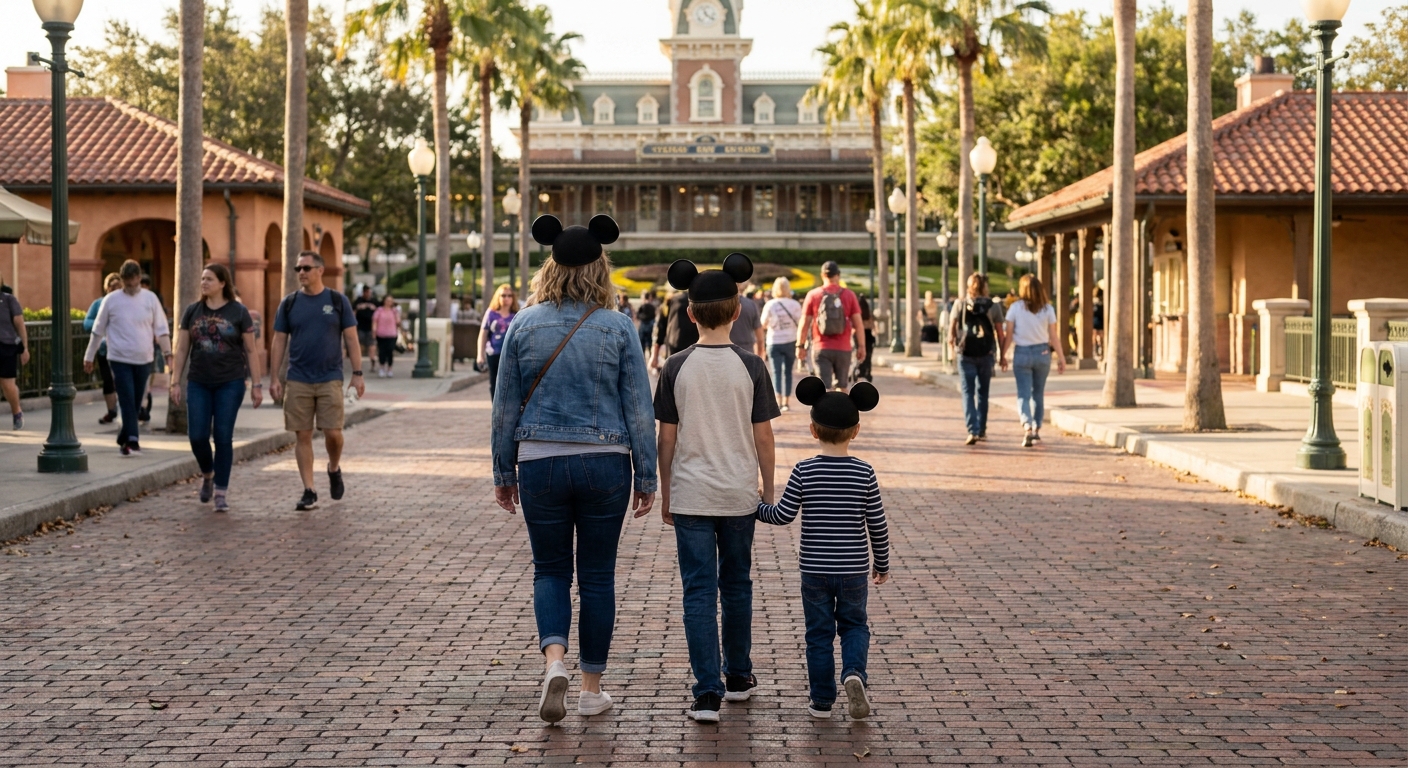
How to Choose the Best Disney World Park for One Day
If you only have one Disney World park day, Magic Kingdom is the safest all-around pick, Hollywood Studios is the highest-stakes ride day, EPCOT is the food-and-vibes play, and Animal Kingdom is the most efficient low-stress option.
The mistake is choosing the park that sounds most famous instead of the park that fits your group. One day means every hour matters: ride count, walking distance, Lightning Lane value, food breaks, and how many “must-dos” can realistically fit before everyone fades.
The Quick Pick Table
| Traveler Type | Best Park | Why It Works | Watch Out For |
|---|---|---|---|
| First Disney World trip with kids | Magic Kingdom | Most classic attractions, highest family appeal, easiest “Disney day” feel | Big crowds, lots of crisscrossing, several high-demand rides |
| Thrill-focused adults or teens | Hollywood Studios | Strongest headliner lineup: Rise of the Resistance, Tower of Terror, Rock ‘n’ Roller Coaster, Slinky Dog Dash | Fewer total attractions means waits can bottleneck fast |
| Food-first adults | EPCOT | Best park for grazing, drinks, table-service meals, and slower pacing | Big walking day; ride count is not the main advantage |
| Low-stress families | Animal Kingdom | Beautiful park, easier half-day pacing, strong shows and animal trails | Thinner ride lineup; Avatar Flight of Passage is Single Pass |
| Best value without overbuying Lightning Lane | Animal Kingdom or EPCOT | Easier to manage with standby if crowds are moderate | You may still want Single Pass for the biggest headliner |
| Maximum ride count | Magic Kingdom | Deepest attraction roster by far | You need a disciplined route or you’ll waste steps |
| Star Wars or Pixar fans | Hollywood Studios | Galaxy’s Edge, Toy Story Land, major franchise rides | Lightning Lane strategy matters more here than almost anywhere |
Magic Kingdom: Best Overall One-Day Park
Magic Kingdom wins for most one-day visitors because it has the deepest bench. You can stack a full day without running out of things to do: Pirates of the Caribbean, Haunted Mansion, Big Thunder Mountain Railroad, Jungle Cruise, Peter Pan’s Flight, Space Mountain, Tiana’s Bayou Adventure, and plenty of lower-intensity rides for kids.
It also gives you the best “something for everyone” spread without needing to say yes to every expensive add-on. Lightning Lane Multi Pass can be useful here because there are enough eligible attractions to keep refilling through the day. Seven Dwarfs Mine Train and TRON Lightcycle / Run are Lightning Lane Single Pass rides, so treat those separately if they are must-dos.
Best for: first-timers, families, mixed-age groups, guests who want the most rides in one park.
Skip it if: your group mainly wants thrill rides, table-service dining, or a slower adult day.
EPCOT: Best for Food, Walking, and a Slower Win
EPCOT is not the park I’d pick if your only goal is “ride as much as possible.” It is the park I’d pick if your group wants a less frantic day with great food, big atmosphere, and a few major ride priorities.
Your ride strategy usually revolves around Guardians of the Galaxy: Cosmic Rewind as the premium Single Pass headliner, then Frozen Ever After, Remy’s Ratatouille Adventure, Soarin’, Test Track when available, and Spaceship Earth. The catch is walking. EPCOT can quietly drain a group because World Showcase is huge, and “just one more snack” often means another long stretch in the sun.
Best for: adults, food-focused groups, older kids, repeat visitors.
Skip it if: you have small kids who want constant rides or anyone in your group struggles with heavy walking.
Hollywood Studios: Best Headliners, Toughest Efficiency
Hollywood Studios has the most intense one-day math. The ride lineup is excellent, but the park has fewer total attractions than Magic Kingdom, so demand piles onto the same names: Star Wars: Rise of the Resistance, Slinky Dog Dash, Mickey & Minnie’s Runaway Railway, Tower of Terror, Millennium Falcon: Smugglers Run, and Rock ‘n’ Roller Coaster.
Lightning Lane value is high here because one bad standby decision can eat a huge chunk of the day. Rise of the Resistance is a Single Pass ride, while Slinky Dog Dash is Multi Pass and tends to be one of the selections you want early if it matters to your group.
Pro tip: Don’t save Rise of the Resistance for the final two hours if it has had downtime earlier; standby can surge hard after a daytime closure, and you do not want your whole night trapped behind one recovery line.
Best for: Star Wars fans, thrill seekers, teens, adults, short-list planners.
Skip it if: your group needs lots of gentle rides or flexible backup options.
Animal Kingdom: Best Low-Stress One-Day Park
Animal Kingdom is the easiest park to do without turning the day into a military operation. Kilimanjaro Safaris, Expedition Everest, DINOSAUR when operating, Festival of the Lion King, animal trails, and Pandora can make a very satisfying day, especially if you do not need to ride nonstop.
The big strategy point: Avatar Flight of Passage is a Lightning Lane Single Pass ride, not Multi Pass. If that is your must-do, budget for it or rope drop it. Otherwise, Animal Kingdom is often the park where you can be more selective with paid line-skipping because the ride lineup is thinner and the day is easier to compress.
Best for: animal lovers, younger families, photographers, lower-stress groups.
Skip it if: you want the biggest ride count or a late-night-heavy park day.
The One-Day Timing Formula
For any park, your best day usually comes from combining the two lowest-wait windows instead of trying to brute-force the middle of the day.
- [ ] Arrive before park opening and use the first two hours for the biggest standby priorities.
- [ ] Book key Lightning Lane Multi Pass selections in advance as soon as your eligible window opens.
- [ ] Treat Single Pass rides separately: TRON, Seven Dwarfs Mine Train, Guardians, Rise of the Resistance, and Avatar Flight of Passage.
- [ ] Use midday for shows, meals, lower-wait rides, indoor breaks, or transportation resets.
- [ ] Save missed secondary rides for the last two hours before close, when waits often soften again.
- [ ] Let real-time alerts guide pivots when a ride drops, reopens, or suddenly becomes worth it.
One hidden value point: Lightning Lane Multi Pass includes free digital downloads for on-ride photos at attractions like Space Mountain and Slinky Dog Dash. If you were already likely to buy ride photos later, that perk can offset part of the true cost.
For a one-day trip, SupaPark’s edge is helping you avoid guessing: live waits, ride-status alerts, best-time forecasts, Lightning Lane availability, and refill predictions all point you toward the park where your group gets the most out of the day. Use supapark.com before you commit, then let the live data tell you when to move.
Ticket Strategy: How to Avoid Paying for More Than You Need
The smartest one-park Disney World ticket strategy is simple: pick the park first, pick the date second, and only add Park Hopper if it creates real value for your group.
A one-day Disney World ticket is not a flat-price product. It is date-based, park-specific, and demand-sensitive, which means the same family can pay meaningfully different amounts depending on whether they visit on a quiet Sunday, a spring-break weekend, President’s Day, Christmas Eve, or another peak date.
That matters because your ticket is not just buying “a Disney day.” It is buying access to a specific number of usable park hours, ride opportunities, meals, breaks, and family priorities. If you treat it that way, you stop overbuying.
Start With The Single-Park Logic
For a one-day visit, a single-park ticket is usually the cleanest value play.
Park Hopper sounds flexible, but flexibility only pays off if you will actually use it well. If your group is trying to maximize rides, minimize transportation time, keep kids regulated, or avoid decision fatigue, hopping can quietly eat the exact hours you paid for.
| Ticket Choice | Best For | Hidden Cost | Smart Read |
|---|---|---|---|
| One park, one day | First-timers, families, ride-focused days | Less flexibility | Usually the best value if you commit to a strong plan |
| Park Hopper | Adults, repeat visitors, dining-focused trips, split-priority groups | Travel time, extra walking, more planning | Worth it only if the second park adds something specific |
| Peak-date ticket | Holiday trips, school-break travel | Higher ticket cost and heavier crowds | Needs a sharper ride plan to justify the spend |
The big mistake is buying Park Hopper “just in case.” If you do not already know why you are hopping, which park you are hopping to, and what you are doing there, skip it.
Peak Dates Change The Math
On lower-demand dates, a single-park ticket can stretch beautifully because waits are often more forgiving and you can stack value through rope drop, smart meal timing, and the last two hours before close.
On peak dates, you may pay more for the ticket while also getting fewer easy rides because crowds compress the day. That does not mean “do not go.” It means your value calculation has to be stricter.
Use this test:
- [ ] Is the date priced higher because of holiday or school-break demand?
- [ ] Are your must-do rides mostly high-demand attractions?
- [ ] Will your group arrive before opening and stay late?
- [ ] Are you willing to use Lightning Lane Single Pass or Multi Pass if the standby picture gets ugly?
- [ ] Would a different date give you the same park with less pressure?
Sundays can be a sneaky strong pick. Historical SupaPark patterns show many attractions often stay under the 75-minute mark on Sundays, even popular rides like Peter Pan’s Flight and Seven Dwarfs Mine Train. That can make a single-park, no-hopper day much easier to justify.
Pro tip: The cheapest ticket is not always the best value; the best value is the date where your paid hours turn into the most completed priorities.
Use Cost Per Hour Before You Buy Extras
Here is the quick framework: divide your total ticket cost by the number of hours you will actually use.
Not park hours. Your hours.
If Magic Kingdom is open 9:00 AM to 10:00 PM but your family realistically arrives at 10:30, takes a long lunch, leaves for a resort break, and taps out after fireworks, you may only have seven or eight usable hours.
| Scenario | Paid Access | Realistic Usable Time | What It Means |
|---|---|---|---|
| Full open-to-close day | Long operating day | 10-12 usable hours | Strong ticket value if your group has stamina |
| Late arrival day | Same ticket price | 6-8 usable hours | Higher cost per hour; avoid add-ons unless needed |
| Peak date with breaks | Higher ticket price | 5-7 usable hours | Be ruthless about priorities |
| After-hours-style strategy, when offered | Shorter event window | Concentrated low-wait time | Can beat buying multiple line-skipping add-ons |
This is where families often overspend. They price the ticket like they will use every minute, then tour like real humans with snacks, strollers, naps, meltdowns, weather, and table-service meals.
Use Cost Per Ride For The Brutal Truth
Now do the same thing with rides.
If your one-day ticket costs more on a peak date and your family only completes six meaningful attractions, your cost per ride is much higher than a lower-crowd day where you complete 10 or 12.
Use a simple planning target:
| Park Day Goal | Expected Completed Attractions | Value Signal |
|---|---|---|
| Relaxed family day | 5-7 rides/shows | Good if atmosphere, characters, and meals matter too |
| Balanced one-day plan | 8-10 rides/shows | Strong value for most families |
| Aggressive ride day | 11+ rides/shows | Best for early arrivals, late stayers, and Lightning Lane users |
This is also how you decide whether Lightning Lane is worth layering on. If standby waits are under 30 minutes for much of your target list, buying extra line access may not move the needle. If your must-do list is packed with heavy hitters like Avatar Flight of Passage, Star Wars: Rise of the Resistance, Seven Dwarfs Mine Train, or Guardians of the Galaxy: Cosmic Rewind, paying selectively for a Lightning Lane Single Pass can make more sense than buying every possible upgrade.
When Skipping Park Hopper Makes The Most Sense
Skip Park Hopper when:
- [ ] You are visiting with small kids or grandparents.
- [ ] Your top priorities are all in one park.
- [ ] You have a dining reservation inside that park.
- [ ] You are trying to reduce transportation friction.
- [ ] You are visiting on a peak date and need every usable hour.
- [ ] You are already buying Lightning Lane Multi Pass or a Single Pass and want the budget focused.
Park Hopper is more defensible when your day has a specific second-park mission: dinner at EPCOT, nighttime rides at Hollywood Studios, or a short Animal Kingdom morning followed by an evening elsewhere. But for a true one-park blueprint, the better move is usually to stay put and squeeze the park intelligently.
Before buying, check SupaPark’s pricing calendar, crowd forecast, and best-time-to-ride forecaster at supapark.com. The win is not buying the most options. It is buying the fewest options that still get your family the day they actually want.
The One-Day Budget Breakdown
The smartest one-park budget is not “spend as little as possible” — it is “spend only where it saves real time, stress, or a must-have experience.”
A one-day Disney World visit has almost no room for waste. You are paying for one park, one shot, and a finite number of good ride windows. The budget should be built around the day’s pressure points: the ticket, how you get there, how much food you need, whether Lightning Lane actually buys back meaningful time, and what extras you will regret skipping or regret buying.
What To Budget For
| Category | Low-Spend Move | Moderate Move | Splurge Move |
|---|---|---|---|
| Ticket | One park, one day, value date if possible | Pick the park with the strongest ride value for your group | Peak date or higher-demand park |
| Parking / transportation | Use hotel transportation or rideshare strategically | Drive and pay standard parking | Minnie Van, premium rideshare, or convenience-first transport |
| Food | Quick-service meals, water bottles, shared snacks | Mix quick-service with one table-service meal | Signature dining or multiple sit-down breaks |
| Snacks | One planned snack per person | Share iconic snacks by land | Snack crawl with seasonal items when available |
| Lightning Lane Multi Pass | Skip if live waits are manageable | Buy when the park has enough useful Multi Pass rides | Buy early and aggressively refresh through the day |
| Lightning Lane Single Pass | Skip unless one headliner is non-negotiable | Buy one must-do headliner | Buy top Single Pass ride plus Multi Pass |
| Souvenirs | Set a hard cap before entering shops | One item per kid or group item | Apparel, collectibles, lightsabers, or premium merch |
| Photos | Use included ride photos if you bought Multi Pass | Decide after seeing the photos | Buy photo products or add-ons if they matter to you |
| Stroller / locker | Bring what you own | Rent only if it solves fatigue or storage | Rent for comfort, not just necessity |
| Optional extras | Skip | Add one convenience item | After Hours ticket when offered, dessert party, special dining |
Sample One-Day Budgets
Use these as planning shapes, not fixed quotes. Disney prices move by date, park, demand, and party size.
| Visit Type | Low Budget | Moderate Budget | Splurge Budget |
|---|---|---|---|
| Family of 4 | Ticket-first day, packed basics, quick-service only, no Lightning Lane unless one ride is essential | Tickets, parking or transport, quick-service meals, snacks, Multi Pass if it meaningfully helps, one souvenir limit | Tickets, Multi Pass, one or more Single Pass rides, table-service meal, stroller or locker, souvenirs, photos or premium extras |
| 2 Adults | Tickets, shared snacks, quick-service, standby strategy | Tickets, Multi Pass or one Single Pass, better dining break, a few drinks or snacks | Tickets, Multi Pass, Single Pass headliner, table-service or lounge-heavy day, photos, nicer transportation |
Pro tip: Lightning Lane Multi Pass includes free digital PhotoPass downloads for on-ride photos, so if you were already likely to buy ride photos later, the “real” cost of Multi Pass may be lower than it looks.
That matters most at parks where your group will ride photo-heavy attractions like Space Mountain or Slinky Dog Dash. If you would normally spend around $30-$45 on photos, Multi Pass can quietly replace that expense while also saving wait time.
Where Lightning Lane Fits In The Budget
Do not buy Lightning Lane just because it exists. Buy it when it protects the day.
For a one-park day, the strongest case for Lightning Lane Multi Pass is when you need to lock in in-demand selections before they disappear and then keep refilling through the day. Multi Pass is bought per day, with advance selections available before your park day: Disney resort guests get the earlier window, while off-site guests get a shorter advance window. Either way, the move is to be ready at 7:00 AM Eastern on your eligible booking day.
Single Pass is different. That is for the premium headliners: TRON Lightcycle / Run and Seven Dwarfs Mine Train at Magic Kingdom, Guardians of the Galaxy: Cosmic Rewind at EPCOT, Star Wars: Rise of the Resistance at Hollywood Studios, and Avatar Flight of Passage at Animal Kingdom.
| Scenario | Smart Move |
|---|---|
| Standby waits are mostly reasonable | Skip Multi Pass and use standby |
| One ride will make or break the day | Consider Single Pass for that ride |
| Multi Pass is priced high, around $29 | Treat that as a signal demand may be heavy |
| You care about ride photos | Factor in the included on-ride PhotoPass downloads |
| After Hours is offered for your target park | Compare it against buying multiple Lightning Lane add-ons |
Timing Is Part Of The Budget
The cheapest wait is the one you avoid without paying for it.
- [ ] Use the first two hours after opening for the park’s highest-demand rides.
- [ ] Save lower-priority rides, shows, and meals for the busier middle of the day.
- [ ] Use the last two hours before close as your second major ride window.
- [ ] Avoid gambling on Rise of the Resistance in the final two hours if it has had daytime downtime; the standby line can balloon after closures.
- [ ] Keep one budget decision flexible until you see real-time conditions.
SupaPark’s forecaster is especially useful here because a single-park day depends on catching the right windows. Rope drop and late evening often do more for your budget than another paid add-on. SupaPark can also ping you when a ride drops to a low wait, goes down, or a dining reservation opens, then you act in My Disney Experience.
The Budget Rule That Actually Works
Start with tickets, transportation, and food. Then decide your “save the day” spend: Multi Pass, one Single Pass, stroller, locker, or a real sit-down meal.
If the group has little kids, the stroller or midday table-service break may be a better investment than another ride add-on. If the group is adults chasing headliners, Single Pass plus late-night standby may beat paying for every convenience. If photos matter, Multi Pass gets more attractive. If they do not, judge it purely on time saved.
Lightning Lane Multi Pass: When It Saves the Day and When to Skip It
The move: buy Lightning Lane Multi Pass only when it helps you protect the middle of your day, not because you think every Disney World day automatically requires it.
Lightning Lane Multi Pass is no longer a same-morning scramble for every guest. You buy it per park day, then make your first selections in advance through My Disney Experience: Disney Resort guests can start 7 days before arrival, off-site guests 3 days before, and the booking window opens at 7:00 AM Eastern on your eligible day. After you redeem a selection, or after its return window passes, you can keep adding another one at a time during the day.
That changes the strategy. Multi Pass is now less about “can I grab something at 7:00 AM today?” and more about “can I lock in the right rides before the best inventory disappears?”
How Multi Pass Actually Works Now
- [ ] Buy Lightning Lane Multi Pass for your park day.
- [ ] At 7:00 AM Eastern on your eligible booking day, choose your advance selections in My Disney Experience.
- [ ] Prioritize in-demand Multi Pass rides before they sell out.
- [ ] On park day, tap into your first Lightning Lane as early as possible.
- [ ] Once you redeem one, or its window passes, book the next available selection.
- [ ] Keep refilling through the day instead of treating your first picks as the whole plan.
Do not mix this up with Lightning Lane Single Pass. The top paid à la carte rides are separate: TRON Lightcycle / Run and Seven Dwarfs Mine Train at Magic Kingdom, Guardians of the Galaxy: Cosmic Rewind at EPCOT, Star Wars: Rise of the Resistance at Hollywood Studios, and Avatar Flight of Passage at Animal Kingdom. Everything else with Lightning Lane is Multi Pass.
When Multi Pass Saves the Day
Multi Pass is strongest when you are trying to do one park hard in one day, especially with kids, heat, meals, and limited patience in the mix. It gives you a structure: ride standby when waits are naturally low, then use Lightning Lane when the park gets ugly.
| Situation | Multi Pass Call | Why |
|---|---|---|
| First visit, one park, one day | Buy it if the budget allows | You need more margin for mistakes, meals, and downtime |
| Magic Kingdom day | Usually valuable | Lots of eligible rides means more chances to refill |
| Hollywood Studios day | Often valuable | Slinky Dog Dash, Tower of Terror, Rock ‘n’ Roller Coaster, and Mickey & Minnie’s Runaway Railway can get competitive |
| EPCOT or Animal Kingdom on a lighter day | Maybe skip | Fewer must-use Multi Pass targets can make standby smarter |
| Live standby waits under 30 minutes | Usually skip for that ride | The time savings often are not worth burning a good Lightning Lane slot |
| You only care about one headliner | Consider Single Pass instead | The biggest headliners are not Multi Pass anyway |
The hidden value most people miss: Lightning Lane Multi Pass includes free digital PhotoPass downloads for on-ride photos on participating attractions, like Space Mountain and Slinky Dog Dash. If you were already likely to buy ride photos, that can soften the real cost of the pass.
The Single-Park Timing Pattern
For a one-park day, your best strategy is not “Lightning Lane everything.” It is stacking low-wait windows.
The first two hours after park opening are your cleanest standby window. SupaPark’s forecaster is built around this exact kind of pattern: which rides are usually shortest, when the park starts shifting, and where your time is about to get expensive. Use that early window for the park’s biggest priorities, while saving Multi Pass for rides that will hurt more later.
Then assume midday is where standby gets least friendly. This is when Multi Pass earns its keep. You want return windows landing while everyone else is eating, melting, or staring at a 75-minute posted wait.
The last two hours before close are your second-best standby window. Waits often fall again as families leave, dinner plans pull people out, and the park thins. That is when you clean up missed rides instead of wasting premium Lightning Lane slots on attractions that are naturally dropping.
Pro tip: Do not save a risky standby headliner for the very end if it has had downtime earlier in the day. A ride like Star Wars: Rise of the Resistance can balloon late at night after a daytime closure, and the “just wait until close” trick can backfire hard.
When Standby Is Smarter
Skip Multi Pass when the park is naturally giving you short waits. If SupaPark shows most of your target rides sitting under about 30 minutes, you may be better off keeping your money and moving fast.
Standby is especially smart when:
- [ ] You rope drop and can arrive before official park opening.
- [ ] You are willing to ride during lunch, parades, fireworks, or the final hour.
- [ ] Your group is flexible and not attached to one perfect ride order.
- [ ] You are visiting on a historically lighter day.
- [ ] You plan to buy one Single Pass for the true headliner and standby the rest.
For families, the big question is not “is Multi Pass worth it?” It is “what problem am I buying my way out of?” If the answer is avoiding one meltdown-heavy midday line, it may be worth it. If the answer is shaving 10 minutes off rides that already have manageable waits, skip it.
How SupaPark Makes Multi Pass Less Guessy
The refill game is where most guests lose time. They book whatever looks familiar, miss better drops, and do not know when inventory is likely to return.
SupaPark helps by watching the moving parts for you: live waits, ride status, best-time forecasts, Lightning Lane availability, sell-out trends, and refill predictions. That matters because a good Multi Pass day is not just about your first selections. It is about grabbing the next useful slot before everyone else notices it.
Use SupaPark to:
- [ ] See which rides are worth using Lightning Lane for right now.
- [ ] Spot standby windows when a ride suddenly drops.
- [ ] Get alerted when a ride goes down, so you can pivot fast.
- [ ] Watch for Lightning Lane refill opportunities instead of refreshing all day.
- [ ] Decide whether Multi Pass is still pulling its weight by afternoon.
The best one-park strategy is simple: use standby when the park is naturally soft, use Multi Pass when the park is peaking, and let real-time data tell you when to change the plan.
Lightning Lane Single Pass: Which Headliners Deserve the Extra Spend
Buy Lightning Lane Single Pass only when it protects your one must-do ride; otherwise, rope drop and the final two hours can often do the same job for free.
Lightning Lane Single Pass is Disney World’s à la carte skip-the-line purchase for the biggest headliners. It is separate from Lightning Lane Multi Pass, and it is not something you buy for every attraction. Think of it as insurance for the ride that would wreck your day if you missed it.
| Park | Lightning Lane Single Pass ride | Best reason to buy | Best free alternative |
|---|---|---|---|
| Magic Kingdom | TRON Lightcycle / Run | You want the newest-feeling thrill ride without gambling on timing | Rope drop or very late evening |
| Magic Kingdom | Seven Dwarfs Mine Train | You have kids who see it as the trip-defining coaster | Early Theme Park Entry or late night |
| EPCOT | Guardians of the Galaxy: Cosmic Rewind | It is your top EPCOT priority and you do not want uncertainty | Buy if available; standby timing can be unpredictable |
| Hollywood Studios | Star Wars: Rise of the Resistance | You need reliability on a ride that can lose capacity | Rope drop, with a backup plan |
| Animal Kingdom | Avatar Flight of Passage | You want to avoid spending a huge chunk of the day in one queue | Rope drop, especially on lower-crowd mornings |
The Spend Is Worth It When the Ride Is the Day
For a one-park, one-day visit, the mistake is trying to “optimize” every dollar while leaving your top ride exposed. If your kid’s entire Magic Kingdom dream is Seven Dwarfs Mine Train, or your Star Wars fan came mainly for Rise of the Resistance, Single Pass can be the cleanest move.
Buy when:
- [ ] The ride is your group’s clear number-one priority.
- [ ] You are visiting on a high-crowd day or during a peak travel period.
- [ ] You have a short park day, a dining reservation, or young kids who cannot wait out a huge standby line.
- [ ] The posted standby wait would cost you more than 60–90 minutes of useful park time.
- [ ] The attraction is prone to uneven waits or downtime, especially Rise of the Resistance.
Skip it when:
- [ ] You can arrive before opening and commit the first two hours to headliners.
- [ ] You are staying until close and can use the late-evening drop.
- [ ] Your group would be just as happy spending that money on food, souvenirs, or a calmer day.
- [ ] The ride is “nice to do,” not “we came for this.”
Rope Drop Is Your First Free Single Pass
SupaPark’s forecaster consistently treats the first two hours as the most valuable ride window of the day. That is when you want to attack the attractions that either sell out, surge, or punish you later.
The move is simple: do not waste rope drop on easy-capacity rides. At Magic Kingdom, point yourself toward TRON Lightcycle / Run or Seven Dwarfs Mine Train. At Hollywood Studios, Rise of the Resistance is usually the kind of ride you either prioritize early or pay to protect. At Animal Kingdom, Avatar Flight of Passage is the obvious first strike if you are skipping Single Pass.
Pro tip: The best Single Pass strategy is not “buy the biggest ride.” It is “buy the ride you cannot afford to lose, then use rope drop on the next-biggest ride.”
That one shift keeps you from overspending. For example, at Magic Kingdom, you might buy Seven Dwarfs Mine Train if it is the family must-do, then rope drop TRON Lightcycle / Run. Or flip it if TRON is the priority. You do not automatically need both.
Late Evening Can Replace the Purchase, But Not Always
The final two hours before park close are the second-best low-wait window of the day. Guests with small kids start leaving, dinner pulls people away, and many visitors run out of energy. If you are staying late, this is your chance to clean up the rides you skipped earlier.
Best late-night candidates:
- Seven Dwarfs Mine Train, if your group can handle a late Magic Kingdom finish.
- TRON Lightcycle / Run, when operating and waits soften near close.
- Avatar Flight of Passage, especially if Animal Kingdom has a lighter evening.
- Guardians of the Galaxy: Cosmic Rewind, if availability and operations make it realistic.
Be more careful with Rise of the Resistance. If it has a daytime closure, the standby line can balloon later because displaced guests all try to recover the same ride. Avoid making “last two hours of the night” your only plan for Rise unless you are comfortable missing it.
Do Not Confuse Single Pass With Multi Pass Value
Lightning Lane Multi Pass covers the broader ride lineup, while Single Pass covers the premium headliners. They solve different problems.
One underused value point: Lightning Lane Multi Pass includes free digital PhotoPass downloads for on-ride photos, such as Space Mountain or Slinky Dog Dash. If you were already likely to buy ride photos later, that can offset part of the Multi Pass cost. But that does not mean you should stack Multi Pass plus multiple Single Pass rides without thinking.
| Strategy | Best for | Risk |
|---|---|---|
| No paid Lightning Lane | Flexible adults, low-crowd days, late-night guests | You may lose top headliners to long waits |
| One Single Pass only | One must-do headliner, budget-conscious families | You still need smart standby timing |
| Multi Pass only | Parks with several mid-tier priorities | Premium headliners are not included |
| Multi Pass + one Single Pass | One-day trips where ride count matters | Easy to overspend if you do not set a cap |
| Multiple Single Pass purchases | Short trips with several must-dos | Cost climbs fast for families |
The Smart Spending Rule
Set your budget before you open My Disney Experience. Pick one “protected” ride per park day, not three emotional panic buys.
For a one-park day, the sharpest plan is usually:
- [ ] Choose your one non-negotiable headliner.
- [ ] Buy Single Pass for that ride only if missing it would genuinely sting.
- [ ] Use rope drop for the next-biggest standby target.
- [ ] Save the final two hours for anything you missed.
- [ ] Use SupaPark live waits, ride-status alerts, and best-time forecasts to avoid buying your way out of problems timing could solve.
SupaPark is especially useful here because the best move changes in real time. If a ride craters to a short wait, you can jump without paying. If a headliner goes down, you can stop wasting time nearby and shift the plan. The goal is not to avoid spending at all costs. It is to spend once, on purpose, where it actually saves the day.
The Best Ride Timing Windows: Rope Drop, Midday, and Late Evening
Your one-day ride strategy should be built around three windows: attack headliners early, protect midday from bad standby choices, then use the final two hours as your second chance.
A single-park day is not about riding randomly. It is about spending your best energy when the park is least punishing. The first two hours after opening and the final two hours before close are usually your low-wait windows. Midday is when you stop trying to “beat” the park and start making smarter, lower-friction choices.
| Window | Best Use | What To Avoid |
|---|---|---|
| First 2 hours after opening | High-demand rides, top Lightning Lane priorities, lowest standby pressure | Wandering, breakfast stops, low-demand rides you can do later |
| Midday | Shows, lower-demand rides, meals, indoor breaks, refill strategy | Long standby lines for headliners |
| Final 2 hours before close | Missed headliners, repeat favorites, standby gambles | Risky rides with recent downtime, especially if crowds are stacking up |
Rope Drop: Spend Your First Two Hours on the Hard Stuff
The first two hours are the most valuable ride time of the day. SupaPark’s best-time-to-ride forecaster typically shows this as the strongest window for high-demand attractions, especially before standby lines fully build and before the best Lightning Lane options disappear.
The move is simple: do not waste rope drop on rides that are easy later.
- [ ] Be inside the park before official opening if you can.
- [ ] Go straight to your highest-demand target.
- [ ] Stack your first Lightning Lane Multi Pass selections around rides that are likely to run out of good return times.
- [ ] Consider Lightning Lane Single Pass for the true headliners, like TRON Lightcycle / Run, Seven Dwarfs Mine Train, Star Wars: Rise of the Resistance, Guardians of the Galaxy: Cosmic Rewind, or Avatar Flight of Passage.
- [ ] Save shows, people-eaters, and lower-demand rides for later.
At Magic Kingdom, that might mean prioritizing Seven Dwarfs Mine Train or TRON Lightcycle / Run with Single Pass, then using the early window for another major standby ride while crowds are still waking up. At Hollywood Studios, Star Wars: Rise of the Resistance deserves serious early attention because when it goes wrong operationally, the whole day can bend around it.
Pro tip: If Lightning Lane Multi Pass is priced around $29, treat that as a warning signal that demand may be high and the best Multi Pass pool could move fast. Buy before the 7:00 AM eligible booking window so you can grab the strongest advance selections before they vanish.
Multi Pass also has a sneaky value add: it includes free digital PhotoPass downloads for on-ride photos at participating attractions, like Space Mountain or Slinky Dog Dash. If you were already planning to buy ride photos later, that can soften the real cost of Multi Pass.
Midday: Stop Fighting the Worst Part of the Day
Midday is when casual plans fall apart. Lines swell, heat builds, kids get cranky, and the rides you skipped earlier suddenly look twice as expensive in time.
This is not the moment to join a brutal headliner queue just because it is next on your list. Use midday for attractions with steadier waits, high-capacity shows, indoor breaks, and meals.
Good midday targets often include:
- Shows with large theaters
- Lower-demand rides with predictable movement
- Indoor attractions when heat or rain hits
- Lunch reservations or mobile-order meals
- Lightning Lane refills after you redeem an earlier selection
If Lightning Lane Multi Pass has sold out on a heavy crowd day, do not panic-buy your way into a bad plan. Shift to standby for short-wait attractions and reserve your budget for Single Pass rides that actually protect your day.
The big caution: be careful with Rise of the Resistance late in the day if it has had operational trouble. After a daytime closure, the standby line can balloon dramatically, and the last two hours are not automatically safe. If Rise has been unstable, watch live status closely instead of assuming the evening drop will save you.
Late Evening: Your Second Best Shot at Shorter Waits
The final two hours before park close are your comeback window. Families with small kids start leaving, dinner pulls people out of queues, and guests who arrived early begin fading. Waits often drop, which makes this the best time to clean up what you missed.
Use late evening for:
- A headliner you skipped at rope drop
- A popular ride that stayed too high all afternoon
- A repeat ride your group loved
- A standby gamble when the posted wait starts sliding
This is where pairing morning and night pays off. Rope drop gets your first wave of must-dos done before crowds peak. Late evening gives you one more low-wait stretch without buying your way through every problem.
Sunday can be especially useful for this kind of plan. Historical patterns often show many rides dipping under 75 minutes, including tough ones like Peter Pan’s Flight and Seven Dwarfs Mine Train. On days like that, you may be able to skip Single Pass for those and save your spend for the truly brutal waits.
When the Plan Breaks, Change Fast
Operational issues can wreck a perfect-looking itinerary. A ride going down for 45 minutes can dump demand into nearby attractions, push Lightning Lane return times later, and create ugly standby spikes when it reopens.
That is why real-time alerts matter. SupaPark can ping you when a ride drops to a better wait, goes down, or creates a sudden opportunity. The smartest one-park day is not rigid. It has a structure, then adapts.
If your target ride closes:
- [ ] Do not wait outside the entrance unless reopening looks imminent.
- [ ] Move to a nearby lower-wait attraction.
- [ ] Watch for a later drop or refill.
- [ ] Recheck your evening plan before committing to a long standby line.
One more angle: if your target park offers an After Hours event and it fits your budget, those three hours of ultra-low waits can sometimes beat buying multiple Single Pass selections. It is not always cheaper, but for ride-focused guests, it can be the cleaner play.
Park-by-Park Ride Priorities and First Moves
Your first move should protect the rides that punish hesitation: the biggest headliner first, then the highest-demand Multi Pass refill, then everything else.
For a one-park, one-day Disney World visit, you are not trying to “do the park in order.” You are trying to beat the demand curve. SupaPark’s forecaster consistently points to two power windows: the first two hours after opening and the last two hours before close. Use those for the rides with the worst standby behavior, and let shows, meals, classics, and lower-demand rides fill the middle.
| Park | First Without Lightning Lane | First With Lightning Lane | Biggest Trap |
|---|---|---|---|
| Magic Kingdom | Seven Dwarfs Mine Train or TRON Lightcycle / Run | Book high-demand Multi Pass classics early; consider Single Pass for Seven Dwarfs or TRON | Burning rope drop on low-wait classics |
| EPCOT | Remy’s Ratatouille Adventure, Frozen Ever After, or Test Track | Stack headliners, then pace World Showcase | Crisscrossing the park all day |
| Hollywood Studios | Star Wars: Rise of the Resistance or Slinky Dog Dash | Lock Slinky Dog Dash early; consider Single Pass for Rise | Saving Rise for the very end |
| Animal Kingdom | Avatar Flight of Passage | Use Multi Pass selectively; consider Single Pass for Flight of Passage | Overbuying Lightning Lane on a thinner ride lineup |
Magic Kingdom: Classics Need a Plan, Headliners Need Commitment
Magic Kingdom has the most rides, which is great until you realize the demand is spread across both nostalgia rides and true headliners. Your priorities are not just “the biggest coaster.” Peter Pan’s Flight, Jungle Cruise, Haunted Mansion, Pirates of the Caribbean, Space Mountain, Big Thunder Mountain Railroad, Tiana’s Bayou Adventure, Seven Dwarfs Mine Train, and TRON Lightcycle / Run can all shape the day.
Without Lightning Lane:
- [ ] Rope drop Seven Dwarfs Mine Train if you are not buying its Single Pass.
- [ ] If TRON is your must-do, prioritize it early or buy Single Pass and protect your morning for other rides.
- [ ] Use the first two hours for Fantasyland and Tomorrowland bottlenecks.
- [ ] Save high-capacity classics like Pirates of the Caribbean or “it’s a small world” for mid-day unless waits are unusually low.
- [ ] Recheck Big Thunder Mountain Railroad and Haunted Mansion late evening.
With Lightning Lane:
- [ ] Book your hardest-to-get Multi Pass selection first, usually a major family favorite or coaster.
- [ ] Consider Single Pass for Seven Dwarfs Mine Train or TRON Lightcycle / Run if either is a must-do.
- [ ] Refill as soon as you redeem a selection or its window passes.
- [ ] Use Multi Pass on rides where it actually saves time, not just because it is available.
Pro tip: Magic Kingdom is where free digital PhotoPass downloads included with Lightning Lane Multi Pass can quietly matter. On-ride photos from attractions like Space Mountain can offset buying photos later, especially for families who were going to purchase ride photos anyway.
EPCOT: Win the Headliners, Then Stop Sprinting
EPCOT punishes bad geography. The smart day is not “ride everything as fast as possible.” It is: secure the headliners, then let World Showcase breathe.
Without Lightning Lane:
- [ ] Pick one true rope-drop target: Remy’s Ratatouille Adventure, Frozen Ever After, or Test Track.
- [ ] Do not try to rope drop all three unless waits are unusually soft.
- [ ] Handle your second headliner before lunch if the forecast is still favorable.
- [ ] Use mid-day for World Showcase, food, shows, and lower-pressure attractions.
- [ ] Circle back late for any headliner that drops near close.
With Lightning Lane:
- [ ] Prioritize the headliner most likely to distort your walking path.
- [ ] Build your day by area: World Discovery, World Nature, World Showcase.
- [ ] Avoid booking return windows that force you from France to Norway to the front of the park back-to-back.
- [ ] Consider whether Guardians of the Galaxy: Cosmic Rewind is worth a Single Pass for your group.
The EPCOT mistake is chasing every short posted wait across a huge park. A 20-minute wait can still cost you 35 minutes if it drags you across World Showcase at the wrong time.
Hollywood Studios: Bottlenecks Come Early and Stay Ugly
Hollywood Studios is the park where one bad choice can wreck the ride count. Demand piles onto a smaller group of heavy hitters: Star Wars: Rise of the Resistance, Slinky Dog Dash, Mickey & Minnie’s Runaway Railway, Millennium Falcon: Smugglers Run, Tower of Terror, Rock ‘n’ Roller Coaster, and Toy Story Mania.
Without Lightning Lane:
- [ ] Rope drop Rise of the Resistance if you are not buying Single Pass and it is operating.
- [ ] If Rise looks unstable or already inflated, pivot to Slinky Dog Dash.
- [ ] Knock out Toy Story Land early before families flood it.
- [ ] Use shows and lower-demand attractions during peak afternoon waits.
- [ ] Save a missed ride for the final two hours, but be careful with Rise.
With Lightning Lane:
- [ ] Make Slinky Dog Dash your highest-priority Multi Pass selection.
- [ ] Consider Single Pass for Rise of the Resistance if it is the ride your group cares about most.
- [ ] Refill toward Tower of Terror, Mickey & Minnie’s Runaway Railway, Toy Story Mania, or Millennium Falcon depending on availability.
- [ ] Keep a backup plan if a major ride goes down.
Do not casually save Rise of the Resistance for the last two hours. If it had a daytime closure, standby can balloon late as everyone tries to recover their missed ride.
Animal Kingdom: Fewer Rides, Cleaner Strategy
Animal Kingdom is the easiest park to overpay for. The ride lineup is smaller, and a disciplined day can be very efficient without buying every skip-the-line option.
Without Lightning Lane:
- [ ] Rope drop Avatar Flight of Passage if you are skipping its Single Pass.
- [ ] Move next to Na’vi River Journey or Expedition Everest depending on your group.
- [ ] Use mid-day for Kilimanjaro Safaris, shows, trails, and meals.
- [ ] Watch late-day drops for Expedition Everest and DINOSAUR when operating.
- [ ] Leave room for the park’s slower, immersive pacing.
With Lightning Lane:
- [ ] Consider Single Pass for Avatar Flight of Passage only if avoiding a long standby wait is worth the cost to your group.
- [ ] Use Multi Pass carefully; it is often less essential here than at Magic Kingdom or Hollywood Studios.
- [ ] Refill toward Expedition Everest, Kilimanjaro Safaris, or Na’vi River Journey when the savings are meaningful.
- [ ] Let real-time waits decide whether to spend more.
Animal Kingdom’s best play is usually targeted spending, not blanket spending. If waits are manageable, put your money toward the one ride that matters most and let the rest of the park work naturally.
For every park, the winning formula is the same: protect the first two hours, refill Lightning Lane aggressively if you bought it, avoid the mid-day headliner trap, and use the final two hours to clean up what the crowd gave back. SupaPark’s live alerts and best-time forecaster are built for exactly this: catching the short-window ride drops, outages, and refill moments you would otherwise miss while you are in line, eating lunch, or crossing the park.
The Real-Time Pivot Plan: What to Do When a Ride Goes Down or Waits Spike
Your one-day plan should have a Plan B for every headliner, because the biggest time savings often come from reacting faster than everyone else.
A ride closure is not automatically bad news. On a one-park day, it can actually create the best opening of the day if you know when to bail, when to wait, and when to pounce on a reopening. The mistake is treating your itinerary like a script. Disney World rewards the guest who can pivot in five minutes.
The Rule: Do Not Chase a Closed Headliner Blindly
When a major attraction goes down, the crowd usually splits into two bad groups:
- People who stand around the entrance refreshing their phones
- People who abandon the whole land and accidentally create new wait spikes elsewhere
Your move is more disciplined. If the ride is important enough to anchor your day, keep it on your radar, but do something nearby that keeps you moving.
| Situation | Smart Move | Why It Works |
|---|---|---|
| Headliner closes before you enter the queue | Pivot to a nearby backup immediately | You avoid dead time while staying close enough to return |
| Headliner closes while you are already deep in line | Hold briefly if the queue is calm, then reassess | You may be near the front when it reopens |
| Posted wait suddenly jumps 30+ minutes | Skip unless it is your only must-do | Spikes often mean displaced crowds from another closure |
| Posted wait suddenly drops | Move fast if you are nearby | Low waits can vanish in minutes once alerts spread |
| Ride reopens after a closure | Consider it immediately, especially if you are close | Reopenings can create short-lived low-wait windows |
This is where real-time alerts matter. SupaPark’s ride status alerts can tell you when a ride goes down, when it comes back, and when a wait craters to walk-on territory. On a one-day visit, that can be the difference between catching a headliner at the right moment and hearing about it 20 minutes too late.
When to Leave a Line
Leaving a line feels painful because you have already “spent” time. But sunk time is not the same as smart time.
Use this checklist before you bail:
- [ ] Has the line stopped moving completely for 10-15 minutes?
- [ ] Are Cast Members giving vague updates instead of a clear restart estimate?
- [ ] Is this ride likely to have another good window later?
- [ ] Is there a strong nearby backup under 30 minutes?
- [ ] Do you have a Lightning Lane return, dining reservation, or showtime coming up?
If the answer is yes to most of those, leave. Especially during the first two hours after park open, every minute is too valuable to donate to a stalled queue.
The exception: if you are already near boarding for a true must-do, holding position can make sense. When a ride reopens, guests already inside the queue often get first access before the standby entrance fully fills again.
Pro tip: The best reopening play is not standing at the closed entrance. It is riding something nearby while SupaPark watches the status for you, then moving the second the ride comes back.
Build Backup Attractions by Land, Not by Vibe
Your backup should be physically close. Crossing the park every time something breaks is how a one-day plan falls apart.
Good pivot logic looks like this:
| Park Area Example | If the Headliner Is Down | Nearby Backup Style |
|---|---|---|
| Magic Kingdom: Fantasyland | Seven Dwarfs Mine Train unavailable | Peter Pan’s Flight, The Many Adventures of Winnie the Pooh, Under the Sea |
| Magic Kingdom: Tomorrowland | TRON Lightcycle / Run unavailable | Space Mountain, Buzz Lightyear’s Space Ranger Spin, PeopleMover |
| Hollywood Studios: Galaxy’s Edge | Rise of the Resistance unavailable | Millennium Falcon: Smugglers Run, Toy Story Land if waits are manageable |
| Animal Kingdom: Pandora | Avatar Flight of Passage unavailable | Na’vi River Journey, Expedition Everest if you can move quickly |
| EPCOT: World Discovery | Guardians of the Galaxy unavailable | Mission: SPACE, Test Track if operating, nearby lower-wait fillers |
This is also why SupaPark’s “what should I ride next?” recommendations are so useful. The right answer is not always the lowest wait in the park. It is the best wait relative to your location, your priorities, and what is likely to happen next.
Watch the Two Best Low-Wait Windows
For a single-park day, the two strongest windows are usually simple:
| Time Window | What to Do | What to Avoid |
|---|---|---|
| First 2 hours after open | Hit high-demand rides and top Multi Pass priorities | Wandering, shopping, slow breakfasts |
| Last 2 hours before close | Clean up missed headliners and re-rides | Burning time on easy anytime attractions |
Early morning is when SupaPark’s forecaster typically points you toward the biggest opportunity: high-demand attractions before the day hardens. At Magic Kingdom, that might mean prioritizing top rides in Tomorrowland or Fantasyland. At Hollywood Studios, Rise of the Resistance deserves special attention because it can absorb huge amounts of your day if you catch it wrong.
The late-evening window is your second chance. Waits often soften as families leave, dinner plans pull people away, and guests run out of energy. But be careful with fragile headliners. Rise of the Resistance, in particular, can become a risky late-night bet if it has had downtime earlier; standby can balloon after a daytime closure, and waiting until the final stretch may leave you with fewer recovery options.
How Lightning Lane Fits Into the Pivot Plan
Lightning Lane Multi Pass is not just about skipping lines; it is about protecting your day from chaos. You buy it per day, make advance selections before your trip window opens, then keep refilling one at a time after you redeem a selection or the window passes.
For one park in one day, book the in-demand selections before they disappear. Multi Pass also includes free digital downloads for eligible on-ride photos, such as Space Mountain and Slinky Dog Dash, which can offset buying photos separately later.
Single Pass is for the biggest à la carte headliners: TRON Lightcycle / Run, Seven Dwarfs Mine Train, Guardians of the Galaxy: Cosmic Rewind, Star Wars: Rise of the Resistance, and Avatar Flight of Passage. If one of those is your must-do, do not treat it like a casual standby target unless the live data is clearly in your favor.
The real move: combine Lightning Lane structure with live pivots. Let your booked selections anchor the day, then use SupaPark alerts, walk-on detection, and next-ride recommendations to fill the gaps when Disney World does what Disney World does: change the plan.
Dining Without Losing Your Day
The smartest one-park dining strategy is simple: eat when everyone else is riding, ride when everyone else is eating, and only book a sit-down meal if it solves a real problem.
On a one-park, one-day Disney World plan, food is not just food. It is a scheduling tool. A badly timed lunch can burn 75 minutes in the middle of your best ride window. A well-timed meal can cool everyone down, reset tired kids, dodge a thunderstorm, and put you back into the park when lines are softening.
The mistake is treating dining like a separate vacation goal. On a single-park day, every meal has to earn its time.
Quick Service vs. Table Service: Make the Call Early
| Dining Style | Best For | Time Cost | Smart Move | When To Skip |
|---|---|---|---|---|
| Quick service | Ride-heavy days, picky eaters, budget control | Usually fastest | Eat early or late, mobile order when available | Peak lunch with no plan |
| Table service | Heat breaks, character meals, picky groups needing structure | Highest | Book intentionally, not because it sounds nice | If it steals prime ride time |
| Snack-as-meal | Solo adults, teens, flexible families | Lowest | Split portable snacks and keep moving | If your group needs a real reset |
| Lounge/lounge-style stop | Adults, older kids, midday reset | Moderate | Use it as an air-conditioned pause | If it requires a long wait |
Quick service is usually the better fit for a one-day park sprint. You control the timing, you can split up seating and ordering, and you are not locked into a long reservation when a ride suddenly drops to a manageable wait.
Table service is worth it when the meal does more than feed you. Think: a character meal that replaces standing in multiple meet-and-greet lines, a guaranteed air-conditioned reset for small kids, or a dinner break that keeps your group from melting down before the late-evening ride window.
If the meal is just “nice to have,” save it for a slower trip.
Avoid the Lunch Crush
Peak lunch is one of the easiest ways to lose your day. Around the middle of the day, quick-service lines swell, mobile order return times can stretch, seating gets annoying, and everyone in your group suddenly needs a charger, shade, and a bathroom.
The better play:
- [ ] Eat breakfast before entering the park or keep it grab-and-go.
- [ ] Plan lunch before the standard rush, roughly late morning, or after the crowd has already eaten.
- [ ] Use the noon-to-midafternoon window for shows, indoor attractions, low-stakes rides, or a planned reset.
- [ ] Ride during traditional meal windows when standby lines often loosen.
- [ ] Save your second big ride push for the final two hours before close, when waits often fall again.
This matters even more if attractions have a rough operational day. A temporary closure can dump guests into food lines, nearby rides, and shaded indoor spaces. You cannot control that. You can control whether your plan has enough flexibility to pivot.
Pro tip: The best “dining hack” is often not a restaurant at all: get in line for a major ride while other families are sitting down for lunch, then eat after the rush when seating and mobile order pickup are easier.
Snack-As-Meal Tactics That Actually Work
Snack-as-meal does not mean living on sugar until everyone crashes. It means using shareable, portable food to keep the group moving without a full stop.
Good snack-as-meal moments:
- Midmorning after rope drop, when you have already knocked out one or two major rides.
- Early afternoon when heat is high but you do not want a full table-service meal.
- Before fireworks or evening shows, when restaurants and walkways get crowded.
- While waiting for a parade, cavalcade, or nighttime entertainment spot.
The trick is to combine protein, salt, and something cold. A sweet snack alone feels fun for ten minutes and then does absolutely nothing for stamina. If you are feeding kids, treat snacks like tiny fuel stops: split something filling, refill water, use the bathroom, then keep moving.
This is also where flexibility beats perfection. If a ride drops to a short wait right when you planned to eat, grab something portable and move. If the park is hot, crowded, or stormy, stop earlier than planned and protect the rest of the day.
When a Sit-Down Meal Is Worth It
A table-service meal can be the right call, but only if it replaces another time drain.
Book one when:
- Your group needs a predictable midday break.
- You have younger kids who will do better with a real seated meal.
- The restaurant is part of the experience, not just a food stop.
- It keeps you inside the park instead of losing time leaving and re-entering.
- It gives you shade, air conditioning, and a clean reset before the evening push.
Skip it when:
- Your main goal is maximum rides.
- The reservation lands in your best ride window.
- You are already buying Lightning Lane Multi Pass or Single Pass and need to protect return times.
- Your group is flexible enough to eat quick service or snacks.
Advance Dining Reservations open 60 days before arrival at 6:00 AM Eastern in My Disney Experience. That is separate from Lightning Lane Multi Pass planning, which uses a 7:00 AM Eastern booking window on your eligible day. Do not mix those up.
If the table you want is gone, do not assume the story is over. People cancel constantly as trips get closer. SupaPark Drop Watch can monitor hard-to-get dining reservations and ping you when a table reopens, then you grab it yourself in My Disney Experience.
Use Dining as a Midday Reset
The middle of the day is usually not when you win a one-park itinerary. The first two hours and last two hours are where the best ride value often lives. Midday is for survival, flexibility, and keeping the group intact.
Use dining to reset:
- Cool down indoors.
- Reapply sunscreen.
- Refill water bottles.
- Charge phones.
- Check live waits and ride status.
- Adjust Lightning Lane plans.
- Decide whether to push, pause, or save energy for close.
That is where SupaPark helps: live waits, ride-status alerts, best-time forecasts, and dining Drop Watch keep you from staring at your phone all day. Let the data catch the opening, then make the move.
Family Strategy: Kids, Height Requirements, Rider Switch, Strollers, and Breaks
The smartest family plan is not “do the most rides.” It is “avoid the meltdown that ruins the rides you actually care about.”
A one-park, one-day Disney World plan gets much harder with kids because your real constraints are not just wait times. They are height requirements, stroller logistics, bathrooms, hunger, heat, overstimulation, and whether your child is still having fun after ride number six.
That is why a family-aware plan should rank attractions in two buckets: the rides your group can actually do together, and the rides that require a split strategy. If you ignore that early, you burn your best morning window walking to attractions half your party cannot ride.
Start With Height Eligibility Before You Pick Your Must-Dos
Before you build the day around headliners, check every child’s height against the park’s thrill rides. Do this before you buy Lightning Lane Single Pass, before you choose your Lightning Lane Multi Pass selections, and before you promise anything out loud.
| Family Situation | Smart Move | Why It Matters |
|---|---|---|
| Everyone meets the requirement | Prioritize the biggest shared ride early | You get the full-family win while energy is highest |
| One child is too short | Use Rider Switch if available | Adults can trade off without making everyone wait twice |
| One child is tall enough but nervous | Watch ride videos, then decide before entering | Some queues are hard to exit late, especially if a child panics near boarding |
| Mixed ages with a stroller | Cluster rides by land | Fewer stroller moves, fewer bathroom emergencies, less walking |
For Magic Kingdom families, this is especially important around rides like Seven Dwarfs Mine Train, which is a Lightning Lane Single Pass attraction, not Multi Pass. If only part of your group can ride, the value calculation changes fast. Paying for every eligible rider may make sense, but only if the non-riding child has a real plan too: snack, show, playground-style break, or nearby low-stress attraction.
Use Rider Switch Like a Tool, Not a Backup Plan
Rider Switch is best when you plan it before the day starts. The mistake is treating it like something you figure out at the entrance while everyone is hot, confused, and already emotionally attached to the ride.
Use this checklist before any split-family attraction:
- [ ] Confirm the child who is not riding and the adults who are swapping.
- [ ] Ask a Cast Member how Rider Switch is being handled at that attraction.
- [ ] Give the waiting adult and child a nearby activity, not just “stand here.”
- [ ] Keep snacks, water, and sunscreen with the waiting group.
- [ ] Do not stack too many Rider Switch rides back to back.
Rider Switch can save time, but it can also make the day feel fragmented if one kid spends the morning watching everyone else ride. Balance thrill rides with full-family wins like boat rides, shows, character moments, indoor attractions, and snack breaks.
Strollers Are Transportation, Storage, and a Time Trap
A stroller is essential for many families, but it can quietly eat time if you park it badly. Stroller parking moves, Cast Members may shift rows, and the stroller you left “right by the entrance” may not be exactly there when you come back.
Make your stroller easy to find without using anything valuable or fragile. A bright ribbon, luggage tag, or distinctive handle wrap works better than trying to remember that it was “near the other black stroller.”
| Stroller Move | Better Strategy |
|---|---|
| Parking at every single attraction | Park once per land and do a small loop |
| Leaving must-have items underneath | Keep medicine, wallet, and phones with you |
| Using the stroller as the only shade plan | Bring hats, cooling towels, and water too |
| Waiting until a child is exhausted | Offer stroller time before the crash |
Pro tip: Build “stroller loops” into your park plan: park once in a land, knock out 2-3 nearby attractions, take a bathroom break, then move the stroller. It feels small, but it saves steps and decision fatigue all day.
Bathrooms, Snacks, and Heat Belong in the Itinerary
The best family park days treat bathrooms and hydration like scheduled attractions. If you wait until someone urgently needs a bathroom, you are already behind.
A practical rhythm:
- [ ] Bathroom stop before rope-drop movement begins.
- [ ] Bathroom stop before any long queue, show, or transportation leg.
- [ ] Water refill every time you sit down to eat.
- [ ] Cooling break before the hottest part of the day, not after everyone is cooked.
- [ ] Snack before the child says they are starving.
Midday is where family plans usually break. Waits are higher, pavement is hotter, kids are overstimulated, and adults start trying to “push through” because the ticket was expensive. That is exactly when you should stop forcing efficiency.
If you are staying nearby, a true nap break can be worth more than two extra standby rides. If leaving the park is not realistic, aim for indoor, seated, low-stimulation time: longer shows, slow-moving attractions, shaded snack spots, or quieter corners away from parade routes and heavy walkway traffic.
Quiet Zones Beat “Just One More Ride”
Every park has places where you can step out of the current instead of fighting it. You are looking for shade, lower noise, seating, bathrooms nearby, and no pressure to keep moving.
Good family break qualities:
| Break Type | Best For | Watch Out For |
|---|---|---|
| Indoor show | Heat, tired feet, overstimulation | Some kids may fall asleep, which can be a win |
| Shaded snack break | Resetting mood fast | Avoid sugar-only snacks if lunch is still far away |
| Slow boat or dark ride | Cooling down without fully stopping | Nervous kids may still need a heads-up |
| Resort break | Real naps, fresh clothes, decompression | Travel time can be a lot on a one-park day |
Do not underestimate the emotional value of giving kids a “yes” that is not a major ride. A refillable popcorn bucket, a shaded Mickey bar break, ten minutes watching ducks, or a low-wait repeat ride can save the rest of the day.
Fewer Rides Can Be the Better Family Day
For adults, a one-day Disney plan often feels like a scoreboard. For kids, the day is usually remembered in moments: the ride they loved enough to repeat, the snack they picked, the character interaction, the pool or nap break, the parent who did not snap at them in a 70-minute line.
That means your family version of “maximizing” may look like eight well-chosen attractions instead of fourteen rushed ones. Use the early-morning window for the rides that matter most, protect the late-evening window if your kids can handle it, and let the middle of the day be slower on purpose.
SupaPark can help with the pressure points: live waits, ride-status alerts, best-time forecasts, and family-aware planning tools at supapark.com. But the real win is knowing when the data says “go” and your child’s face says “stop.” On a family Disney day, that second signal matters just as much.
Photo, Souvenir, and Hidden Cost Savings
The cheapest Disney World day is not the one where you buy nothing; it is the one where you decide what is worth paying for before the park starts selling at you.
A one-park, one-day trip is dangerous for your budget because every purchase feels like a “we’re only here today” exception. That is how you end up paying for photos you already had access to, buying three small souvenirs nobody cares about tomorrow, and panic-buying ponchos, fans, chargers, or bubble wands at park prices.
The smarter move: pick your paid moments in advance, then protect the rest of the day from impulse spending.
Choose One Souvenir Moment, Not Five Random Souvenirs
The best souvenir strategy is not “no souvenirs.” That usually backfires, especially with kids. Instead, give the day one intentional souvenir lane.
| Souvenir Strategy | Best For | Why It Works | Watch Out For |
|---|---|---|---|
| One item per kid | Families | Sets a clear boundary early | Kids may want to buy too soon |
| One shared family item | Budget-focused groups | Avoids four separate purchases | Takes more agreement |
| One experience-style souvenir | First visits, birthdays | Feels more memorable than another toy | Can cost more if you do not set a cap |
| No in-park souvenir, photo only | Adults, repeat visitors | Keeps spending low without feeling deprived | Only works if everyone agrees upfront |
The key is timing. Do not let the first gift shop of the day decide your budget. Tell kids early: “You get one souvenir today, and we’re choosing after lunch.” That prevents the 9:30 AM bubble wand purchase from becoming the first of many.
If you are doing Magic Kingdom, save souvenir browsing for the afternoon when waits are higher and energy dips. At Hollywood Studios, avoid shopping right after Star Wars: Rise of the Resistance if your group is emotionally vulnerable to lightsabers, droids, and “but this is the only place they have it” logic.
Use Lightning Lane Multi Pass Photos Before Buying More
If you purchase Lightning Lane Multi Pass, do not sleep on the photo savings. Eligible on-ride PhotoPass digital downloads are included with Multi Pass, which can quietly offset part of what you paid for the service.
That matters on a one-day trip because you are probably chasing the big photo rides anyway. Think Space Mountain, Slinky Dog Dash, and other attractions where the ride photo is often better than a posed shot in front of a wall.
Pro tip: If you already bought Lightning Lane Multi Pass, treat eligible on-ride PhotoPass downloads as your photo package for the day before spending extra on prints or separate photo products.
This is where people waste money: they buy Multi Pass, get several ride photos included, then still pay for extra photos because they forgot to check what was already available. Open My Disney Experience during a snack break and review your captured photos before you buy anything else.
SupaPark can help here by keeping your ride plan tight: if Multi Pass gets you onto more eligible photo rides, the value is not just time saved. It can also replace a separate photo purchase you might have made later.
Set a Snack Budget That Still Feels Fun
Snacks are where “just one more thing” gets expensive fast. The move is to budget by moment, not by item.
For a one-park day, choose one signature snack and one flexible snack window. That gives you room for fun without turning every popcorn cart into a financial negotiation.
| Budget Choice | Smart Use | Skip It When |
|---|---|---|
| One must-get snack | You have a specific item in mind | You are only buying because you walked past it |
| One shareable treat | Your group wants variety | Everyone wants something totally different |
| Refillable water + one paid drink | Hot days, long park hours | You are already doing several specialty drinks |
| Bring breakfast bars | Rope drop days | You have a sit-down breakfast planned |
The biggest hidden cost is buying food because you are underprepared, not because you are hungry for something special. Eat before arrival if you are rope dropping. Pack small, non-melty snacks. Then spend your snack money on the thing you actually wanted, not survival crackers at 10:45 AM.
Pack the Boring Stuff So You Can Buy the Fun Stuff
Nobody wants their souvenir budget eaten by sunscreen, phone batteries, or emergency rain gear. Pack the practical items before you leave, because in-park convenience pricing is real.
- [ ] Portable phone charger and cable
- [ ] Refillable water bottle
- [ ] Sunscreen
- [ ] Ponchos or compact rain jackets
- [ ] Small snacks
- [ ] Bandages or blister care
- [ ] Cooling towel or fan for hot months
- [ ] Hair ties, wipes, and hand sanitizer
- [ ] Extra socks for kids or water-ride days
- [ ] A small bag that fits comfortably on rides
The portable charger is non-negotiable for a one-day plan. Your phone is your map, camera, Lightning Lane tool, dining alert center, and transportation planner. If it dies, your “savings strategy” turns into buying whatever solves the next problem fastest.
Decide What Is Worth Paying For Before You Enter
The best budget rule is simple: spend on things that save meaningful time, prevent a meltdown, or become the memory. Skip purchases that only solve five minutes of boredom.
For example, Lightning Lane Single Pass can make sense for a true headliner like Seven Dwarfs Mine Train, TRON Lightcycle / Run, Guardians of the Galaxy: Cosmic Rewind, Star Wars: Rise of the Resistance, or Avatar Flight of Passage if that ride is the centerpiece of your day. But buying every possible upgrade “just in case” can drain the budget without improving the day much.
Use the same logic for everything:
| Purchase | Worth It If | Usually Skip If |
|---|---|---|
| Lightning Lane Multi Pass | You want several rides, included eligible ride photos, and less waiting | Most target rides are under 30 minutes standby |
| Lightning Lane Single Pass | It protects your must-do headliner | You would be fine missing that ride |
| Extra photos | You do not already have good included ride photos | You have Multi Pass downloads you like |
| Souvenirs | It is the one chosen item | It is a checkout-line impulse |
| Snacks | It is a planned treat | You are buying from fatigue |
SupaPark is useful here because it helps separate real value from panic spending. Live waits, best-time forecasts, Lightning Lane availability, and ride-status alerts show you when paying actually saves time and when patience is the better play.
The goal is not to make the day feel cheap. It is to make every dollar feel chosen.
Special Events, Seasonal Overlays, and After-Hours Opportunities
A special event can either be your best one-day shortcut or the thing that quietly wrecks your plan, depending on whether you build the day around it.
Seasonal events, holiday overlays, EPCOT festivals, and After Hours-style tickets change the math of a one-park day because they affect three things at once: operating hours, crowd flow, and what people are actually doing in the park. When they are running, your smartest move is not always “ride everything early.” Sometimes the move is to eat while everyone rides, ride while everyone watches entertainment, or skip the daytime ticket entirely and use an after-hours event for a tighter, lower-wait ride night.
The catch: these offerings change constantly. Do not plan a one-day strategy around a festival booth, holiday overlay, party, or After Hours event until you confirm it is actually running for your exact date.
How seasonal events change your ride plan
When a seasonal event is active, it usually pulls guests into predictable pockets: entertainment, food booths, merchandise lines, character meets, fireworks viewing, and photo spots. That can be useful if you know how to move against the crowd.
| If this is running | What changes | Smart one-day move |
|---|---|---|
| EPCOT festival | More guests graze around World Showcase, especially late afternoon and evening | Ride earlier, eat during off-peak booth windows, and avoid treating dinner like a full sit-down unless that is the point of your day |
| Holiday overlay or seasonal entertainment | Guests cluster around themed attractions, shows, decor, and nighttime viewing | Hit high-demand rides while crowds wait for entertainment |
| Hard-ticket party or After Hours event | Regular park hours may be shorter, but event crowds can be lighter | Decide whether the event ticket replaces your normal park day or only adds value after a lighter daytime plan |
| Limited photo/detail opportunity | Timing may matter more than wait time | Slot it into your route only if it does not break your main ride priorities |
Pro tip: The best special-event strategy is usually not “do more.” It is “let everyone else chase the seasonal thing first, then use the crowd shift to grab rides.”
A good example of a tiny, specific opportunity: on November 18, when conditions line up, a hidden Mickey can appear around noon in the queue for Under the Sea - Journey of the Little Mermaid at Magic Kingdom. That is fun if you are already in Magic Kingdom that day, but it should not hijack your whole plan. Rope-drop your priority rides first, then treat it as a quick mid-day stop if the timing works.
When After Hours can beat a regular park day
An After Hours-style ticket can outperform a normal one-day ticket when your goal is ride access, not full-park sampling. The value is concentrated: fewer hours, usually lower waits, and less need to stack Lightning Lane purchases.
It tends to make the most sense when:
- [ ] You care mainly about headliners and repeat rides.
- [ ] You are okay skipping some daytime-only entertainment, atmosphere, or dining.
- [ ] The event includes the park with the rides you actually want.
- [ ] You would otherwise buy multiple Lightning Lane Single Passes or a high-priced Lightning Lane Multi Pass day.
- [ ] Your group can stay energetic late at night, especially kids.
For a single-park day, the biggest advantage is simplicity. Instead of fighting peak afternoon standby waits, refreshing Lightning Lane availability, and dragging tired kids through the hottest part of the day, you can use the event window as your main ride block.
If you buy an After Hours ticket for your target park, you can often treat those three event hours as your low-wait ride window and skip Lightning Lane entirely. That can be a cleaner value than buying Multi Pass plus separate Single Pass access, especially if your must-do list is concentrated in that one park.
When After Hours is not worth it
After Hours is not automatically the smarter buy. It can be a poor fit if your one-day goal is broad, not ride-heavy.
Skip it, or at least think hard, when:
- [ ] You have younger kids who will fade before the event really starts.
- [ ] You want parades, daytime shows, characters, slower meals, or full-land exploration.
- [ ] Your must-do ride list is short and standby waits are already manageable.
- [ ] You are visiting on a lower-crowd day when many rides may fall under reasonable waits without extra spend.
- [ ] The event does not include enough of your priority attractions to justify the cost.
This is where live data matters. If most of your target rides are sitting under 30 minutes, paying extra just to skip lines may not return much value. Put the money toward the one or two truly painful waits instead, or save it completely.
How to build the day when events are involved
Use the event as a pressure release, not an excuse to overpack the schedule.
- [ ] Confirm the event, overlay, festival, or party is running on your exact date.
- [ ] Check whether regular park hours are shortened.
- [ ] Decide your real priority: rides, food, entertainment, photos, or savings.
- [ ] Put the most fragile item first: a must-do ride, hard-to-get dining reservation, or event-only experience.
- [ ] Use mid-day for lower-stakes attractions, meals, shows, or rest.
- [ ] Save the final two hours, or the After Hours window, for rides that usually punish you earlier.
At Hollywood Studios, be careful with Star Wars: Rise of the Resistance late at night if it has had downtime earlier in the day. A daytime closure can push frustrated guests into the final window, and the posted wait can balloon when everyone makes one last attempt. If it is your must-do, do not assume “end of night” automatically saves you.
At Magic Kingdom, late evening can be excellent for classics and family rides, but Single Pass rides like TRON Lightcycle / Run and Seven Dwarfs Mine Train require a different budget call. If you are not buying After Hours, decide early whether those are worth à la carte access or whether you would rather spend your time on a bigger spread of Multi Pass attractions.
SupaPark helps here because the opportunity is often invisible until it happens: a ride drops, a Lightning Lane refills, or a dining reservation opens from a cancellation. SupaPark pings you, then you act in My Disney Experience. That is exactly the kind of edge that matters on a one-park day with no room for wasted guesses.
Sample One-Day Itineraries by Travel Style
The best one-park day is not one perfect plan — it’s a plan with a fast morning, a flexible middle, and alerts that tell you when to change course.
Use these as practical blueprints, then let live waits, ride status, Lightning Lane refills, and dining drops decide the exact order. The biggest mistake is treating your itinerary like a contract. Disney World punishes rigid plans, especially when a headliner goes down or a storm clears a queue.
| Travel Style | Morning Priority | Midday Priority | Afternoon Priority | Evening Priority |
|---|---|---|---|---|
| First-time family | Icon rides first | Indoor shows, lunch, slower classics | Refill Lightning Lane | Fireworks or final headliner |
| Thrill-seeker | Biggest coaster/headliner | Secondary thrill rides | Single Pass or refill hunt | Last-two-hours ride sprint |
| Budget-conscious | Rope drop standby | Skip low-value Lightning Lanes | Meals/parades for shorter waits | Close the park |
| Lightning Lane power user | Book top Multi Pass picks early | Redeem/refill aggressively | Watch for refills | Stack late wins |
| Little-kid day | Fantasyland/character-friendly rides | Nap break or cool-down | Shows, playgrounds, gentle rides | Early exit or one nighttime treat |
| Foodie day | Ride before brunch | Table-service or festival-style grazing | Snack crawl | Lounge, fireworks, or final ride |
| Low-stress adult day | One must-do only | Long meal, air-conditioning, no rushing | Flexible park wandering | Low-wait classics |
First-Time Family
Your job is to protect the first two hours, because that’s when the day is easiest to win.
- [ ] Arrive before opening and start with the park’s biggest priority.
- [ ] If you bought Lightning Lane Multi Pass, book in-demand selections before they disappear from the useful part of your day.
- [ ] Save slower-loading or high-nostalgia rides, like Peter Pan’s Flight at Magic Kingdom, for a Lightning Lane slot if possible.
- [ ] Use midday for lunch, indoor shows, and attractions with steadier waits.
- [ ] In the final two hours, circle back to anything SupaPark shows has dropped.
Where SupaPark helps: set alerts for ride closures and sudden low waits. If your top ride goes down, don’t stand nearby guessing. Move to the next best option and let SupaPark ping you when the window reopens.
Thrill-Seeker
Do not waste prime morning energy on easy standby wins — aim it at the rides that punish late planners.
Morning is for the headliner decision: TRON Lightcycle / Run or Seven Dwarfs Mine Train at Magic Kingdom, Guardians of the Galaxy: Cosmic Rewind at EPCOT, Star Wars: Rise of the Resistance at Hollywood Studios, or Avatar Flight of Passage at Animal Kingdom. These are Lightning Lane Single Pass attractions, so decide early whether you’re paying à la carte or committing to standby.
Midday is for secondary thrill rides: Space Mountain, Big Thunder Mountain Railroad, Slinky Dog Dash, Millennium Falcon: Smugglers Run, Expedition Everest, or Test Track-style priorities when available. Afternoon is your refill zone if you’re using Multi Pass.
Evening is where thrill-seekers can clean up. The last two hours before close are often the second-best riding window after rope drop.
Pro tip: Be careful with Rise of the Resistance late at night. If it had downtime earlier, standby can balloon near closing, and that “just get in line at the end” move can turn ugly.
Budget-Conscious Guest
The cheapest good day is built around standby timing, not wishful thinking.
Skip Lightning Lane Multi Pass when live waits are sitting under 30 minutes for the rides you care about. The time savings often are not strong enough to justify paying for a whole group. If you spend, focus on one true pain point: a Lightning Lane Single Pass for a headliner that would otherwise eat 60-120 minutes of your day.
- [ ] Rope drop the highest-demand ride you are willing to do standby.
- [ ] Ride during meals, parades, or fireworks if you do not care about the entertainment.
- [ ] Avoid buying skip-the-line access for rides with short live waits.
- [ ] Use free entertainment, shows, and atmosphere during the worst heat and crowd hours.
- [ ] Stay late if your group has the stamina.
If you do buy Lightning Lane Multi Pass, remember it includes free digital PhotoPass downloads for on-ride photos at participating attractions like Space Mountain and Slinky Dog Dash. If you were going to buy ride photos anyway, that can quietly improve the value.
Lightning Lane Power User
The power-user move is not just booking three rides — it’s redeeming early enough to keep refilling.
Start before your eligible booking window with a ranked list. Disney resort guests get access earlier than off-site guests, and the window opens at 7:00 AM Eastern on the eligible day. Prioritize attractions that run out of useful return times first.
Morning:
- [ ] Use your earliest return window as soon as practical.
- [ ] Refill immediately after redeeming or after the window passes.
- [ ] Watch for in-demand selections before they sell out.
Midday:
- [ ] Keep checking for refills instead of assuming availability is done.
- [ ] Use SupaPark refill predictions to decide whether to wait or pivot.
Evening:
- [ ] Stack later return times only if they fit your actual walking route.
- [ ] Use the final two hours for standby drops, not crisscrossing the park.
Little-Kid Day
A great little-kid day is measured in meltdowns avoided, not ride count.
Morning should be gentle but efficient: Dumbo, The Many Adventures of Winnie the Pooh, Under the Sea - Journey of the Little Mermaid, Kilimanjaro Safaris, or other kid-friendly priorities depending on the park. Avoid making your first hour a long, uncertain headliner line if your child may bail.
Midday is for shade, stroller resets, indoor shows, and a real meal. Afternoon should stay flexible: characters, playground-style breaks, low-intensity rides, or a hotel break if you can leave and return.
Use SupaPark height and eligibility planning before the day so you do not discover at the entrance that one child cannot ride. Alerts help most when a family-friendly ride drops to walk-on or temporarily closes before you start pushing a stroller across the park.
Foodie Day
Do the hard rides before your first serious meal, then let dining shape the middle of the day.
Start with one or two priority attractions, then slow down. If you want a hard-to-get table, use dining Drop Watch so SupaPark can ping you when a cancellation opens; you still grab it in My Disney Experience.
Midday is the best time to turn crowds into a feature: while everyone is baking in standby, you’re sitting down, grazing, or moving through lower-stress attractions. Afternoon can be a snack-and-show loop. Evening is for a lounge, fireworks view, or one final ride when waits soften.
Low-Stress Adult Day
Pick one must-do, then stop pretending you need to conquer the park.
Rope drop only if you genuinely want the advantage. Otherwise, arrive with one paid or standby priority, a good meal plan, and permission to skip anything with an ugly wait. Use SupaPark to catch opportunistic wins: a walk-on classic, a reopened ride, a dining cancellation, or a late-evening dip.
The adult-day sweet spot is simple: one headline attraction, one excellent meal, two or three atmospheric rides, and the patience to let the park come to you.
Common One-Day Mistakes That Waste Time and Money
The biggest one-day mistake is treating Disney World like you can “wing it” once you arrive. You can’t — not if you care about ride count, money, or your family’s patience.
A single-park day is less forgiving than a full vacation. You do not have tomorrow to fix a bad Lightning Lane pick, a noon table-service meal that eats your prime ride window, or a transportation delay you forgot to budget for. The goal is not to do everything. The goal is to spend your best hours on the attractions that actually deserve them.
Mistake 1: Arriving Late Without a Real Plan
If you walk through the tapstiles at 10:30 AM with no priorities, you are already playing from behind.
The first two hours after park opening are usually your cleanest low-wait window, especially for high-demand rides. That does not mean every attraction is empty, but it does mean you can often knock out one or two major rides before the park fully wakes up.
For a one-day plan, your morning should already answer:
- [ ] What is your first ride?
- [ ] What is your backup if that ride is down?
- [ ] Which rides are Lightning Lane priorities?
- [ ] Where are you eating lunch?
- [ ] What are you saving for the final two hours?
Rope drop matters most when you are trying to avoid buying your way out of bad timing. If you arrive late, you lose the cheapest advantage Disney gives you: being early.
Mistake 2: Overbuying Lightning Lane
Lightning Lane is a tool, not a personality trait. Buying every upgrade without checking the day’s actual conditions can waste serious money.
Lightning Lane Multi Pass can be valuable in Magic Kingdom and Hollywood Studios, but it is not automatically the best move for every park, every date, or every family. Lightning Lane Single Pass should be reserved for the true heavy hitters: TRON Lightcycle / Run, Seven Dwarfs Mine Train, Guardians of the Galaxy: Cosmic Rewind, Star Wars: Rise of the Resistance, and Avatar Flight of Passage.
| Situation | Smarter Move |
|---|---|
| Standby waits are mostly under 30 minutes | Skip extra spending and ride standby |
| You only care about one premium headliner | Consider Single Pass instead of overbuying |
| Multi Pass is pricing high, around the upper-$20s | Treat that as a demand signal and be selective |
| You want ride photos too | Remember Multi Pass includes on-ride PhotoPass downloads |
| You have an After Hours ticket | You may not need Lightning Lane at all |
Multi Pass also includes free digital downloads for on-ride photos on participating attractions like Space Mountain and Slinky Dog Dash, which can help offset the cost if you were already planning to buy photos. But do not use that perk to justify a pass you otherwise do not need.
Mistake 3: Waiting Too Long to Make Advance Selections
The 7:00 AM window matters before your park day, not just during it.
Lightning Lane Multi Pass selections are made in advance: Disney resort guests can start 7 days before arrival, and off-site guests can start 3 days before. The window opens at 7:00 AM Eastern on your eligible booking day.
Waiting until later means the best return times may be gone, especially for rides like Slinky Dog Dash, Peter Pan’s Flight, Tiana’s Bayou Adventure, or Remy’s Ratatouille Adventure when demand is high.
Pro tip: Buy and book before the 7:00 AM advance-selection window if Multi Pass is part of your strategy. The expensive mistake is not buying it; it is buying it late and getting weak return times.
Mistake 4: Booking Dining at the Worst Possible Time
A badly timed meal can cost you more rides than a long standby line.
Table-service dining is not “bad” on a one-park day. Bad timing is the problem. A noon lunch can collide with your refill rhythm, high-demand return windows, and the moment crowds are peaking. A 6:30 PM dinner can wipe out the start of the late-evening drop.
For one day, aim for meals that protect your best ride windows:
| Time | Dining Risk | Better Move |
|---|---|---|
| First 2 hours | Burns prime low-wait time | Eat before arrival or snack later |
| Noon to 2 PM | Crowds are high, but ride strategy still matters | Use mobile order or a quick break |
| Parade/fireworks window | Can be a great ride opportunity | Eat only if shows are your priority |
| Last 2 hours | Often the second-best ride window | Save this for attractions, not dinner |
If you want a hard-to-get restaurant, book it 60 days out at 6:00 AM Eastern in My Disney Experience. If nothing is available, SupaPark’s dining Drop Watch can ping you when a cancellation opens, then you grab it in My Disney Experience.
Mistake 5: Chasing Headliners in the Wrong Order
The wrong order turns great rides into a day-long traffic jam.
Do not bounce across the park just because a famous ride has a wait posted. A one-day plan needs zones, not panic. At Magic Kingdom, zigzagging from Fantasyland to Frontierland to Tomorrowland and back can quietly burn 45 minutes in walking alone. At Hollywood Studios, chasing Rise of the Resistance at the wrong moment can wreck your day if it has recovered from downtime and the standby line balloons.
Be especially careful with Rise of the Resistance late at night. If it had a daytime closure, the final two hours can spike instead of drop because everyone who missed it earlier rushes back at once.
Mistake 6: Ignoring Transportation Time
Transportation is part of your itinerary whether you planned for it or not.
Magic Kingdom is the classic trap because driving does not put you at the front gate. You park at the Transportation and Ticket Center, then still need the monorail or ferry. Resort buses, boats, Skyliner routes, rideshare drop-offs, and park-to-park transfers all have their own timing quirks.
Build in a real buffer:
- [ ] Add 30–45 minutes for arrival logistics at Magic Kingdom
- [ ] Add extra time if you are using Disney buses during peak morning periods
- [ ] Know your backup if monorail, Skyliner, or boat service is delayed
- [ ] Do not schedule your first reservation too tightly after arrival
Mistake 7: Missing the Late-Evening Window
Leaving early can mean skipping the second-best ride window of the day.
The last two hours before close are often where a one-day plan gets rescued. Families with small kids leave. Dinner pulls people out of queues. Fireworks and nighttime shows absorb crowds. That is your chance to clean up rides you missed earlier.
This is especially useful for classics that carry frustrating daytime waits, like Peter Pan’s Flight, Pirates of the Caribbean, Jungle Cruise, or Haunted Mansion. The move is to combine rope drop with a strong closing push, not expect the middle of the day to do all the work.
Mistake 8: Refusing to Pivot When Conditions Change
Your plan is only good until the weather, transportation, or ride downtime says otherwise.
Temporary closures happen. A storm can pause outdoor rides. A headliner can go down right as you arrive. Magic Kingdom can feel especially punishing when several popular attractions are unavailable at once because crowds spill into whatever is still operating.
That is why your plan needs triggers:
- [ ] If your first ride is down, move to your closest backup immediately
- [ ] If waits spike midday, switch to shows, snacks, or lower-demand rides
- [ ] If a ride reopens, decide fast before the crowd reacts
- [ ] If Lightning Lane refills appear, grab the useful one, not just the famous one
- [ ] If the park empties late, abandon the “perfect” order and ride what is short
SupaPark is built for this exact problem: live waits, ride-status alerts, refill predictions, and “what should I ride next?” recommendations at supapark.com. The best one-day guests are not the ones with the prettiest spreadsheet. They are the ones who know when to change the plan.
How SupaPark Helps You Maximize a Single Disney World Day
SupaPark is the layer that watches the park for you, so your one Disney World day is built around real openings, real waits, and real chances before they disappear.
A single-park day is not the time to “see how it goes.” The biggest mistake is treating the day like a normal vacation day when it is really a clock-management problem: which ride is shortest now, which Lightning Lane is about to vanish, which restaurant just had a cancellation, and which attraction just went down before you walk across the park for nothing.
SupaPark does not replace My Disney Experience. You still buy Lightning Lane, book dining, and confirm reservations directly with Disney. SupaPark’s job is to watch the moving pieces and ping you when there is something worth acting on.
What SupaPark Watches While You Are In The Park
For a one-park, one-day plan, the most valuable features are the ones that stop you from guessing:
- Live ride wait times, so you can see when standby is actually worth it
- Operational status, including when a ride goes down or comes back
- Best-time-to-ride forecasting, so you know whether to ride now or wait
- Lightning Lane availability, including Multi Pass and Single Pass opportunities
- Refill predictions for in-demand Lightning Lane selections before they sell out
- Dining Drop Watch, so hard-to-get tables from cancellations do not slip by
- Crowd forecasts and park heat maps, so you avoid the worst areas at the worst times
- Itinerary building, so your day has a smart order instead of random backtracking
- Family-aware guidance for height eligibility, Rider Switch, stroller routes, and quieter breaks
- Instant alerts when a ride craters to a low wait, goes down, or a dining slot opens
The big distinction: SupaPark alerts, Disney books. If a dining reservation drops, SupaPark can ping you the second it appears, then you grab it in My Disney Experience. Same idea with Lightning Lane refills.
The Single-Day Timing Map
Use SupaPark like a park-day radar, not just a wait-time list.
| Window | What Usually Matters Most | Smart Move |
|---|---|---|
| First 2 hours after opening | Lowest standby pressure for headliners | Rope-drop your highest-priority ride or the biggest Multi Pass attraction you did not secure |
| Late morning | Lightning Lane strategy starts to matter more | Refill aggressively after your first redemption or expired window |
| Midday | Heat, crowds, and ride downtime hurt efficiency | Use alerts, shows, meals, and lower-stress attractions instead of chasing long lines |
| Last 2 hours before close | Waits often drop again | Target anything you missed earlier, especially rides with inflated midday waits |
The best single-day strategy is usually not “go hard all day.” It is combining the first two hours and the final two hours, then using the middle of the day for Lightning Lane windows, food, indoor shows, and lower-wait gaps SupaPark flags in real time.
Pro tip: Do not save Star Wars: Rise of the Resistance as your casual last ride of the night if it has had daytime downtime. After a closure, standby can surge badly late, and the final two hours can turn into a trap instead of a shortcut.
How SupaPark Helps With Lightning Lane Decisions
Lightning Lane Multi Pass works best when you are not just picking attractions you like. You are picking attractions that are likely to cost you the most time if you wait.
For a single-park day:
- [ ] Buy Lightning Lane Multi Pass before your eligible 7:00 AM Eastern booking window if you plan to use it
- [ ] Prioritize in-demand Multi Pass selections before they disappear
- [ ] Consider Single Pass separately for the true headliners: TRON Lightcycle / Run, Seven Dwarfs Mine Train, Guardians of the Galaxy: Cosmic Rewind, Star Wars: Rise of the Resistance, and Avatar Flight of Passage
- [ ] After you redeem a Multi Pass selection, use SupaPark refill alerts and predictions to decide what to grab next
- [ ] Skip Lightning Lane for rides showing short standby waits unless the forecast says that window is about to close
One underrated value point: Lightning Lane Multi Pass includes digital PhotoPass downloads for on-ride photos at participating attractions, like Space Mountain and Slinky Dog Dash. If you would normally buy ride photos later, that perk can offset part of the pass cost. For a family that might otherwise spend about $30-$45 on photos, the “real” cost of Multi Pass can feel lower.
When SupaPark Tells You To Spend Less
The smartest use of SupaPark is not always buying more. Sometimes it tells you to stop spending.
If live waits are sitting under about 30 minutes across much of the park, Multi Pass may not be pulling enough weight. If one specific headliner is the problem, a Single Pass may be cleaner than paying for broad access you barely use. If you are visiting on a lighter day, the forecaster may show that your best value is rope drop plus late evening, not stacking paid access.
| Situation | Better Move |
|---|---|
| Most standby waits are under 30 minutes | Skip or limit paid access and ride standby |
| One premium headliner is the real issue | Consider Single Pass for that ride only |
| Multi Pass selections are thin | Use SupaPark alerts for standby dips and refills |
| You care about ride photos | Factor included Multi Pass on-ride downloads into the value |
| Your family needs breaks | Let the itinerary builder route you around meals, stroller needs, and quiet zones |
The Real Win: Fewer Missed Chances
A one-day Disney World visit is full of blink-and-you-miss-it openings: a Lightning Lane refill, a 25-minute headliner dip, a ride reopening, a dinner cancellation, a crowd pocket in a quieter land.
That is where SupaPark earns its spot. It does not book for you, and it does not magically remove every line. It watches the park faster than you can, then tells you when to move.
Key Takeaways
The smartest one-park Disney World day is not “do everything” — it’s picking the right park, spending only where it saves real time, and protecting your group from the midday crash.
Your One-Day Game Plan
- [ ] Pick the park that matches your goal. Magic Kingdom is the best all-around choice for families and classic Disney volume. Hollywood Studios is the thrill/headliner play. EPCOT is better for food, festivals when running, and a slower touring rhythm. Animal Kingdom is usually the easiest one-park day if your priority is lower stress over maximum ride count.
- [ ] Price the date before you fall in love with it. One-day, one-park tickets can swing hard by date and park. Major holidays, spring-break weekends, and other peak periods usually cost more and come with heavier crowds.
- [ ] Arrive before opening. Your first two hours are the most valuable part of the day. Treat them like premium time: headliners first, wandering later.
- [ ] Use Lightning Lane selectively. Lightning Lane Multi Pass is useful when it meaningfully cuts waits across several attractions. If standby waits are mostly under 30 minutes, you may be better off skipping it and saving the money.
- [ ] Target Single Pass only for the true monsters. TRON Lightcycle / Run, Seven Dwarfs Mine Train, Guardians of the Galaxy: Cosmic Rewind, Star Wars: Rise of the Resistance, and Avatar Flight of Passage are Lightning Lane Single Pass rides. Buy à la carte only when the standby cost to your day is too high.
- [ ] Protect the middle of the day. Schedule lunch, shows, indoor attractions, snacks, or a resort break when heat and lines are at their worst.
- [ ] Watch the board all day. Ride downtime, Lightning Lane refills, dining cancellations, and sudden wait drops can completely change the best next move.
Pro tip: The biggest one-day mistake is buying every shortcut too early. Price the date, check the live wait pattern, then spend only where the time savings beat the cost.
The Quick Decision Table
| Decision | Smart Move | Why It Matters |
|---|---|---|
| Choosing a park | Match the park to your main goal | A ride-heavy Magic Kingdom day tours very differently from a food-first EPCOT day |
| Picking a date | Avoid peak-price, peak-crowd dates when flexible | A cheaper date can also mean less need for paid line-skipping |
| Arrival time | Be at the gate early | The first two hours usually beat almost any midday strategy |
| Lightning Lane Multi Pass | Buy only when it saves meaningful time across multiple rides | A family can spend a lot fast if the standby waits are already manageable |
| Lightning Lane Single Pass | Reserve it for the top headliners | It keeps your budget focused on the rides most likely to eat your day |
| Midday plan | Slow down on purpose | Tired kids and overheated adults ruin more plans than a 40-minute wait |
| Real-time alerts | Use supapark.com to catch drops and ride changes | The best opportunities often appear after your original plan is already outdated |
Lightning Lane: Spend Like You Mean It
The goal is not to buy the most Lightning Lane access. The goal is to buy back the most useful time.
Lightning Lane Multi Pass is purchased per day, with selections made in advance: Disney resort guests can make selections up to 7 days before arrival, while off-site guests can make them 3 days before. The booking window opens at 7:00 AM Eastern on your eligible day. After you redeem a selection, or its window passes, you can keep adding one at a time through the day in My Disney Experience.
For a one-park day, that means your first picks matter. Prioritize attractions that combine high demand with limited later availability. At Magic Kingdom, that may mean grabbing key family rides early while deciding separately whether Seven Dwarfs Mine Train is worth a Single Pass. At Hollywood Studios, Slinky Dog Dash and Mickey & Minnie’s Runaway Railway can be valuable Multi Pass targets, while Star Wars: Rise of the Resistance is a Single Pass decision.
If Lightning Lane Multi Pass is priced high for your day, treat that as a signal to think harder, not an automatic “yes.” It may still be worth it, especially at Magic Kingdom or Hollywood Studios, but the better play is to compare it against your actual goals. If you only care about two premium headliners, a couple of Single Pass purchases may be cleaner than paying for broad access you will not fully use.
One underrated perk: Lightning Lane Multi Pass includes digital downloads for eligible on-ride photos. If you were already planning to buy ride photos, that can lower the “real” cost of the pass.
Ride Timing: Hit the Lows, Dodge the Traps
Your best standby windows are usually early morning and late evening. Your worst bet is drifting into headliners at peak crowd pressure.
Use rope drop for the rides that build lines fastest. Then use the late-evening window, especially the last two hours before close, to clean up anything you missed. This is often when families with younger kids start leaving and standby waits soften.
Be careful with unreliable or closure-prone headliners. If a major ride goes down during the day, its posted wait can surge later when it reopens. Rise of the Resistance is the classic example: if it has downtime, the late-night standby line can become a gamble instead of a bargain.
Food, Energy, and Flexibility
A one-park day is won by the group that still has energy at 7:00 PM.
Do not stack your entire plan with outdoor queues, late meals, and backtracking. Build a midday reset into the schedule. That might mean a table-service lunch, a low-stimulation indoor show, a shaded snack break, or leaving the park briefly if your ticket and logistics make that practical.
For dining, remember that Advance Dining Reservations open 60 days before arrival at 6:00 AM Eastern in My Disney Experience. But cancellations happen constantly. If you missed the restaurant you wanted, use dining Drop Watch on supapark.com so you get pinged when a table opens, then grab it yourself in My Disney Experience.
The One Thing to Keep Open All Day
Your original plan is only your starting plan. The winning move changes as the park changes.
Use supapark.com for live waits, ride status, best-time forecasts, Lightning Lane availability, refill predictions, dining drops, and “what should I ride next?” guidance. SupaPark does not book anything for you; it catches the opportunity and alerts you fast, then you confirm in My Disney Experience.
That matters most on a one-park, one-day visit because you do not have tomorrow to recover. If a ride drops to a walk-on, a Lightning Lane refills, or a hard-to-get dinner opens up, you want to know immediately.
<!-- SUPAPARK-LINKS:START -->
Keep planning: today’s crowd forecast · is Lightning Lane worth it
<!-- SUPAPARK-LINKS:END -->