The Space Mountain Track Choice That Actually Matters
Published July 5, 2026 · Updated November 11, 2026
Space Mountain does have two ride paths, and yes, regulars love debating which one is better. But for your actual Magic Kingdom plan, the bigger win is this: do not burn prime morning time chasing a specific side unless Space Mountain is one of your absolute must-dos.
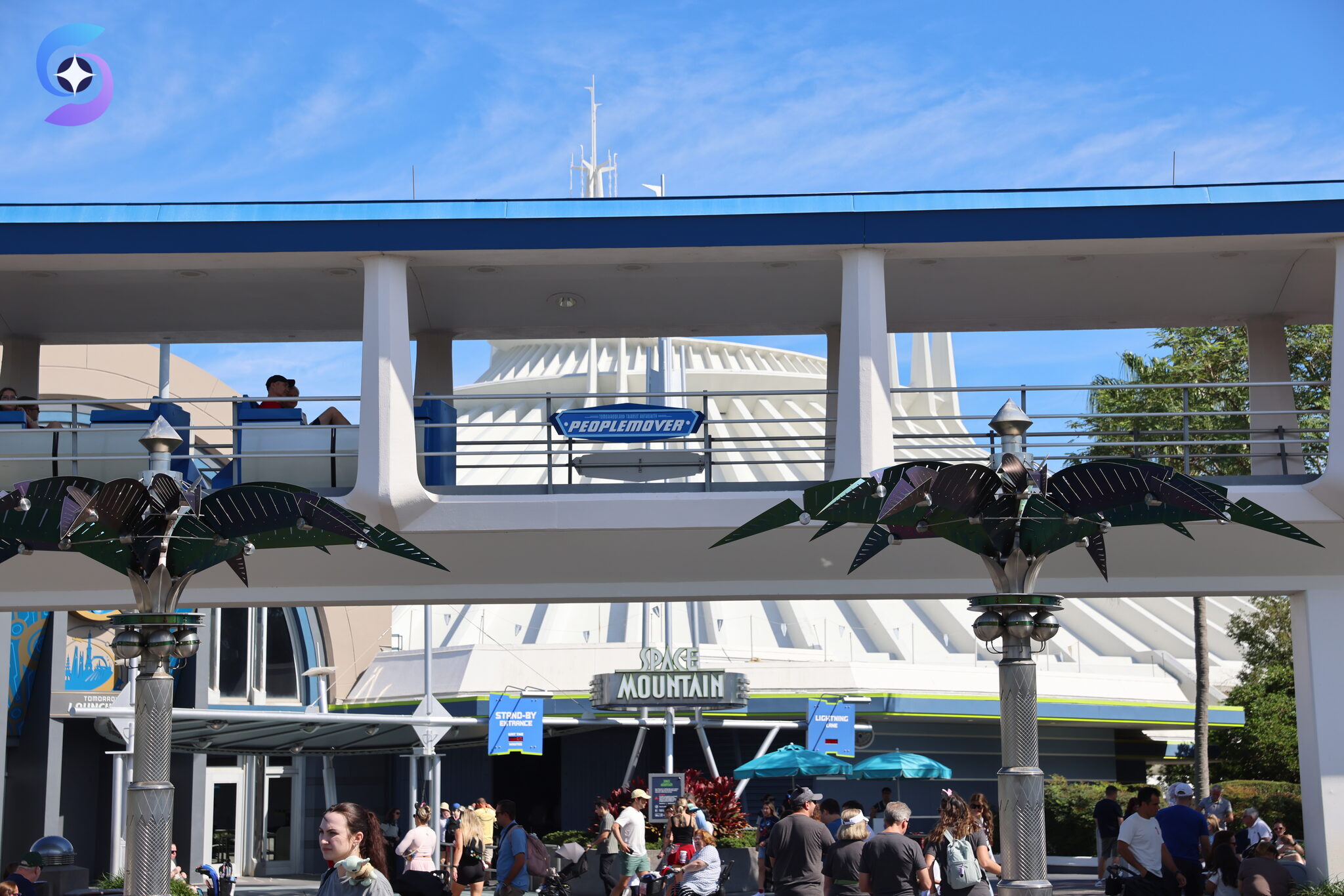 Space Mountain, Magic Kingdom. (Photo: SupaPark)
The track difference is fun Disney trivia. The wait-time strategy is what saves your day.
The Real Difference: Two Sides, Same Basic Mission
At Magic Kingdom, Space Mountain loads from two sides, commonly known by their internal-style names, Alpha and Omega. Guests often describe one side as feeling a little rougher, a little faster, or a little more chaotic than the other.
Here is the practical truth: both sides deliver the same core experience. You are still riding a single-file rocket through the dark, with sharp turns, dips, sudden direction changes, and almost no visual warning before the next move. The darkness does more to shape the ride than the track choice does.
If you are a casual guest, you probably will not walk off thinking, “That track changed everything.” If you are a repeat visitor, the difference can be part of the fun. But it is not worth reshaping your touring plan around.
If You Want the Smoother Ride, Manage Expectations
Space Mountain is not a smooth modern coaster. That is part of its personality and part of why some guests adore it while others walk off saying, “I’m good for the decade.”
Because the ride vehicles seat guests single-file and the track is mostly hidden, the ride feels more intense than its actual size suggests. You cannot brace for turns the way you can on an outdoor coaster. That surprise factor makes every seat and every side feel a little different.
If you are sensitive to jerky rides, the better move is not obsessing over left or right. It is asking yourself whether Space Mountain belongs in your day at all. For some families, Big Thunder Mountain Railroad is the better “classic Disney coaster” pick because it is outdoors, easier to anticipate, and generally more forgiving. For thrill-seekers, TRON Lightcycle / Run is the sleeker headliner, though it uses Lightning Lane Single Pass rather than Multi Pass. See when every Lightning Lane sells out, measured daily.
Planning around this? Alert me when the wait drops for Space Mountain.
Should You Ask for a Specific Side?
You can politely ask a Cast Member if a side request is possible, but do not build your plan around it. Operations come first, and the answer can depend on crowd levels, staffing, downtime recovery, and how the queue is being balanced. For every day ahead, check the Disney World crowd calendar.
If the posted wait is low and the merge area is calm, your odds are better. If the line is backed up, the ride is recovering from downtime, or Magic Kingdom is in peak afternoon mode, take the side you are assigned and keep moving.
The veteran move: ride whatever side you get first, then decide whether it is worth a second lap later if the wait drops. Space Mountain is a much better repeat ride when the line is cooperating.
When Space Mountain Is Actually Worth Riding
Space Mountain is often a smart target, but timing matters. It can build a serious wait because it has huge name recognition, sits in Tomorrowland where crowds naturally flow, and appeals to teens, adults, and nostalgic Disney fans.
Your best windows are usually:
- Early in the morning if you are already positioned well for Tomorrowland
- During parade or fireworks time if you are willing to skip the entertainment
- Late at night when families with younger kids start leaving
- When live wait times suddenly dip after a rush clears
The catch: Space Mountain can also be operationally unpredictable. A closure can derail a rigid plan fast, especially if you saved it for “later” and later never comes. That is why the smarter approach is to watch live status and be ready to pounce when the line drops or the ride returns from downtime.
SupaPark is built for exactly that kind of moment. It watches live waits and ride status at supapark.com, so you are not refreshing your day away. If Space Mountain drops to a unusually good wait or comes back online after being down, that is when you move.
Lightning Lane Strategy: Do Not Overpay With Time
Space Mountain is a Lightning Lane Multi Pass attraction, not a Single Pass ride. That matters because you are not buying it à la carte the way you would for TRON Lightcycle / Run or Seven Dwarfs Mine Train.
If Space Mountain is a must-do, it can be a strong Multi Pass selection, especially on a busy Magic Kingdom day. But do not treat it like the only smart pick. Magic Kingdom has a lot of useful Multi Pass attractions, and your best choices depend on your group.
Families with younger kids may get more practical value from rides everyone can do. Thrill-focused groups may prioritize Space Mountain, Tiana’s Bayou Adventure when available, Big Thunder Mountain Railroad, or other high-demand options. The key is not “book the famous thing.” The key is “book the thing that saves your group the most painful standby wait.”
Remember how Multi Pass works now: you buy it for the day, make advance selections when your booking window opens, then keep adding one at a time after you redeem a selection or its window passes. Disney Resort guests get the earlier planning window than off-site guests, which can matter for popular times.
The Better First-Ride Question: Space Mountain or TRON?
If you are starting in Tomorrowland, the real debate is not left side versus right side. It is Space Mountain versus TRON.
TRON is the flashier headliner and uses Lightning Lane Single Pass. Space Mountain is the classic, higher-capacity Tomorrowland anchor with Multi Pass access. If you are not buying Single Pass for TRON, you need to decide how much of your morning you are willing to give it. If you are using paid access or saving TRON for another window, Space Mountain can be a cleaner early hit.
For many groups, the best play is: lock in your highest-value Lightning Lane choices in advance, then use live waits to decide whether Space Mountain is a rope-drop target, a late-night ride, or a “grab it when it crashes” opportunity.
The Track Debate Is Fun. The Timing Is the Edge.
Here is the blunt answer: if you get the side you prefer, great. If you do not, your day is not worse. The two-track debate is a fun repeat-visitor obsession, not the thing that will make or break your Magic Kingdom plan.
What actually matters is avoiding a 70-minute mistake when a 25-minute window might show up later. Space Mountain is one of those rides where patience, live data, and flexibility beat nostalgia-driven panic.
The one thing to remember: ride Space Mountain when the wait and status make sense, not when the track debate tempts you into overplanning. Use supapark.com to watch the timing, then take the rocket you get.
Does Space Mountain Have Two Tracks? Yes — Alpha and Omega
Yes. Space Mountain at Magic Kingdom runs two separate tracks inside the same show building, loading from two sides that regulars call Alpha and Omega. You enter one queue, and near the end it splits toward the two loading areas — so the side you ride is usually assigned by whichever path the line funnels you into, not chosen.
Here is what the two tracks actually mean in practice:
- Same ride, mirrored layout. Both tracks take the same basic journey through the dark with the same style of turns, dips, and direction changes. Neither side has a different launch, a different ending, or extra elements.
- Feel can differ slightly. Guests often describe one side as a touch rougher or snappier. Some of that is the track, some of it is your rocket, your position in it, and how smooth that particular vehicle is running that day.
- Capacity is why it exists. Two tracks means Space Mountain can move a lot of guests per hour, which is exactly why its posted wait often drops faster than a single-track coaster’s once a rush clears.
The practical read: the two-track layout is great trivia and a fun reason to re-ride, but it is not a planning variable. Treat the split as a bonus — ride the side you get, then compare later if the wait cooperates. If you want to make a smarter call, watch the posted wait instead. SupaPark tracks Space Mountain’s live wait and ride status at supapark.com, and that number changes your day far more than Alpha versus Omega ever will.
Space Mountain Alpha vs Omega: Which Track Is Better?
Neither track is better. Alpha and Omega run the same basic layout inside the same dark show building, so the ride you get is about the same on either side. Any difference you feel comes mostly from your specific rocket, where you sit in it, and how smoothly that vehicle is running that day.
What actually differs between the two sides
- Layout: The two tracks are close mirror images. Neither side has a different launch, extra drops, or a different finale.
- Feel: Guests often say one side feels a bit rougher or snappier than the other. Those reports conflict, though, and that usually points to the vehicle and the seat rather than the track itself.
- Wait: You join one shared queue that splits near the end. One side doesn’t have a shorter line you can count on, so picking a side won’t get you on faster.
What this means for your plan
The track that gives you the best ride is whichever one you board when the posted wait is low. A Space Mountain ride with a short wait late in the evening beats a long wait for the “right” side every time. The two-track setup is also why the posted wait often drops quickly once a rush clears, because two tracks move a lot of guests.
The veteran move
If you’re curious about the debate, ride both sides. Take the side you’re assigned first. Then come back for a second lap when the wait drops, and you’ll get a real comparison without giving up your morning. SupaPark tracks Space Mountain’s live wait and ride status at supapark.com, so you’ll see that dip when it happens.
If you’re sensitive to rough, jerky rides, picking a side won’t fix that. The darkness and the sudden turns are the same on both tracks.
Frequently Asked Questions
Which side of Space Mountain is better, Alpha or Omega?
Neither side is clearly better — both tracks run the same basic layout, and the small differences guests notice come down to your rocket, your seat, and how that vehicle is running. Ride whichever side you are assigned and judge for yourself on a re-ride.
Can you choose which side of Space Mountain you ride?
Not usually — the queue splits toward the two loading areas and Cast Members assign sides based on how the line is balanced. You can politely ask, but the answer depends on crowd levels and operations, so do not build your plan around it.
Does one Space Mountain track have a longer wait than the other?
No — the posted wait covers the attraction as a whole because both tracks load from the same queue. Running two tracks is why Space Mountain’s wait tends to fall off relatively quickly once a crowd surge moves through.
Does one side of Space Mountain have a shorter wait?
No. Both sides are fed by one shared queue that splits near the end, so neither track has a reliably shorter line. The posted wait matters far more than which side you board.
Is one Space Mountain track smoother or more intense than the other?
Not in any consistent way. Guests report small differences in roughness, but both tracks have the same style of dark turns and dips, so the vehicle and your seat usually matter more than the side.
Go deeper — the full guides: Ultimate Mickey’s Not-So-Scary Halloween Party Planner 2026 · runDisney: The Complete Race Weekend Planning Guide · Disney Jollywood Nights 2026: The Honest Guide to Who Should Go and What to Skip
SupaPark tracks live wait times and crowd forecasts, and pings you the second a hard-to-get reservation opens or a ride goes walk-on — free to start at supapark.com.
Going to Disney? Pick your dates
Free with a SupaPark account: the crowd forecast for each of your days, and alerts for the rides and tables you pick. See plans and pricing or get the app.
Tools for your trip
- Real wait: Posted wait vs the line you actually stand in
- Lightning Lane sellout times: When each ride usually sells out
- Crowd calendar: Every park, every day, from our forecast
- Dining table odds: How often a full table opens up