Space Mountain Feels Rougher Than Rock 'n' Roller Coaster
Published September 28, 2026 · Updated November 11, 2026
Here’s the real planning answer: Space Mountain usually feels rougher on your body, but Rock ‘n’ Roller Coaster is the bigger thrill.
That distinction matters. If your group is asking “which one is more intense,” Rock ‘n’ Roller Coaster wins: launch, inversions, darkness, loud music, bigger coaster energy. But if the question is “which one might make my neck, back, or shoulders regret this decision,” Space Mountain is often the one to treat with more caution.
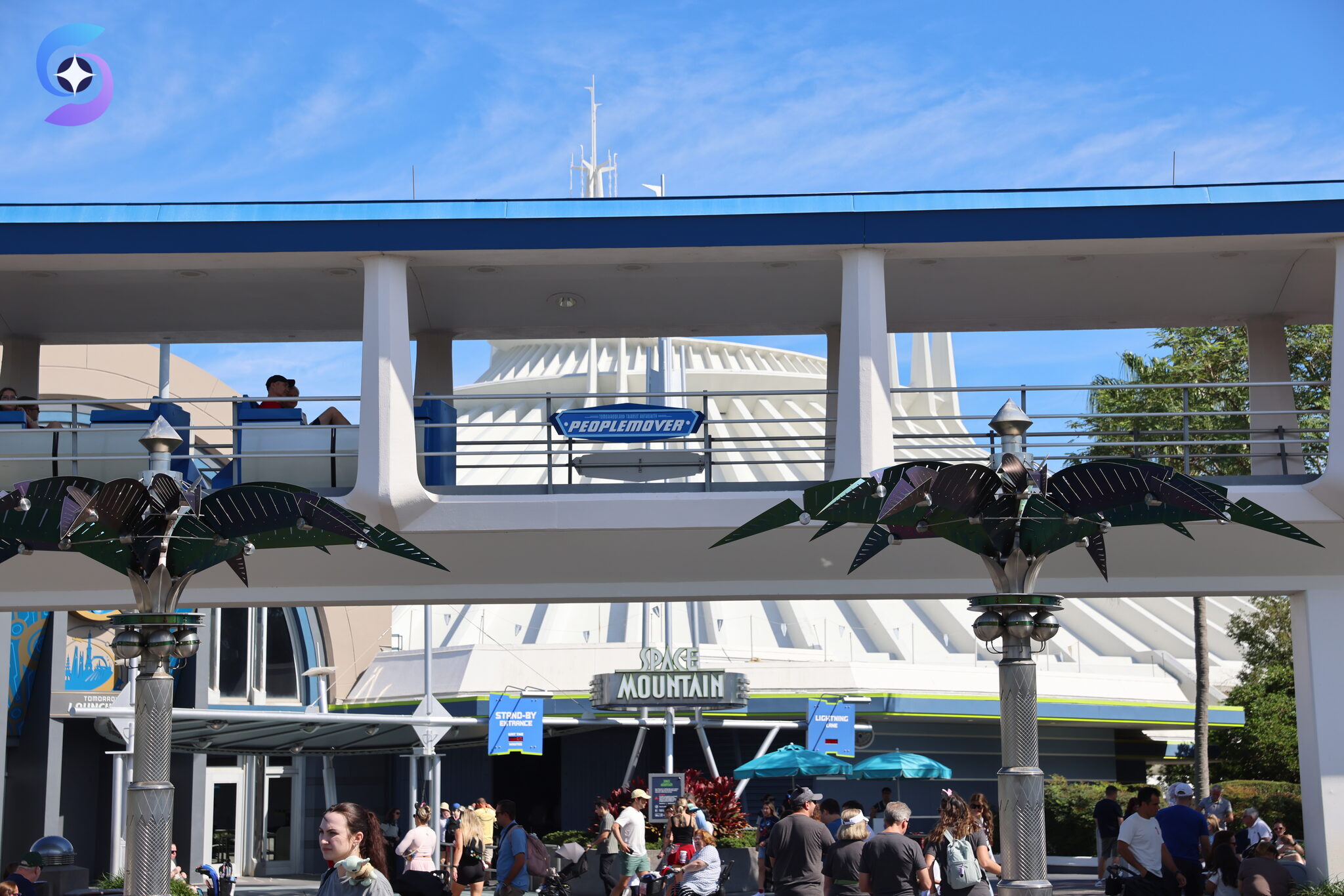 Space Mountain, Magic Kingdom. (Photo: SupaPark)
The smart move is not to rank them by fear factor. Rank them by what your group struggles with: jerky darkness versus launch-and-loop intensity.
The Short Version: Space Mountain Is Bumpier, Rock ‘n’ Roller Coaster Is Wilder
Space Mountain at Magic Kingdom is an indoor dark coaster with small rockets, sharp turns, sudden drops, and a track you can barely see coming. It is not especially fast by modern coaster standards; a long-running Disney stat puts it around 28 mph. But because you are in the dark, seated low, and surprised by every turn, it can feel more chaotic than the number suggests.
Rock ‘n’ Roller Coaster at Hollywood Studios is a different animal. The launch is the main event, and the ride includes inversions, so it has a much more aggressive thrill profile. But the ride system itself often feels more like a traditional steel coaster: fast, forceful, and intense, but less “why did my spine just file a complaint?” than Space Mountain for many guests.
So if someone in your group says, “I can handle speed, but I hate getting tossed around,” Space Mountain may be the tougher ask. If they say, “I do not want to go upside down,” Rock ‘n’ Roller Coaster is the obvious skip.
Why Space Mountain Feels Rougher Than It Looks
Space Mountain’s trick is that it feels bigger than it is. The darkness hides the track, so your body cannot brace for turns or dips. That makes every little bank and drop feel more abrupt.
The seating also matters. The ride vehicles are low, narrow, and single-file, which can make the experience feel more exposed. You are not sitting next to someone laughing through it with you; you are in your own little rocket, being snapped through the dark.
This is why Space Mountain can surprise guests who assume it is the “classic Disney coaster” and therefore mild. It is classic, yes. It is also old-school. The ride’s charm is partly that it still feels scrappy, weird, and unpredictable. That is fun if you love vintage coaster energy. It is less fun if you have neck sensitivity, back issues, or a kid who hates not knowing what comes next.
The best seat strategy: expect the back to feel more forceful. If someone is nervous or sensitive, ask a Cast Member whether a front placement is possible. Requests are never guaranteed, but it is worth asking politely.
Planning around this? Alert me when the wait drops for Space Mountain.
Why Rock ‘n’ Roller Coaster Feels More Intense
Rock ‘n’ Roller Coaster does not sneak up on you. It tells you exactly what kind of ride it is almost immediately: a hard launch into a dark indoor coaster with inversions.
That makes it a bad fit for guests who dislike launches, upside-down elements, shoulder restraints, or loud indoor rides. Even if the track feels smoother to some guests than Space Mountain, the physical forces are stronger. The ride is not just bumpy; it is forceful.
The common mistake is treating “rough” and “scary” as the same thing. They are not. Rock ‘n’ Roller Coaster is more likely to scare a coaster-hesitant guest. Space Mountain is more likely to catch a confident guest off guard because it feels jerkier than expected.
If your group only has room for one bigger thrill at Hollywood Studios, compare Rock ‘n’ Roller Coaster with The Twilight Zone Tower of Terror, not Space Mountain. Rock ‘n’ Roller Coaster is about speed and inversions; Tower of Terror is about drops, suspense, and stomach-lift. Very different fears.
Which One Should You Pick for Kids and Nervous Riders?
For kids, do not just ask, “Are they tall enough?” Ask what kind of fear they handle well.
A kid who likes Big Thunder Mountain Railroad and wants “a faster dark ride” may be ready for Space Mountain, especially if they are okay riding single-file. A kid who needs to sit beside a parent for reassurance may not love it, because Space Mountain’s seating removes that side-by-side comfort.
Rock ‘n’ Roller Coaster is a bigger leap. The launch and inversions make it a true thrill-coaster step-up. If your kid is still building confidence, do not make this the first major coaster of the day. Warm up with something less aggressive, then decide.
For adults, the dividing line is even clearer. If you have neck or back sensitivity, Space Mountain deserves more caution than its reputation suggests. If you get motion sick from loops, darkness, or launches, Rock ‘n’ Roller Coaster is the bigger risk.
The Best Planning Move If You Want Both
If both rides are priorities, do not leave them to “we’ll see.” Both can build real waits, and they sit in different parks, so your plan depends on where you are spending the day.
At Magic Kingdom, Space Mountain is in Tomorrowland, which makes it a useful early-day target. Resort guests using Early Theme Park Entry often get access to Tomorrowland and Fantasyland, while TRON Lightcycle / Run is not part of that early half-hour. That can make Space Mountain one of the more logical early thrill picks if it is running and your group is ready to move.
At Hollywood Studios, Rock ‘n’ Roller Coaster competes with a park full of high-demand attractions, including Star Wars: Rise of the Resistance, Slinky Dog Dash, Mickey & Minnie’s Runaway Railway, Toy Story Mania!, and Tower of Terror. If Rock ‘n’ Roller Coaster is a must-do, treat it like an actual priority, not an afterthought.
Lightning Lane Multi Pass can help with both attractions when selections are available. The key is to book your initial selections in advance during your eligible window, then keep refilling through the day after you redeem one or its window passes. Do not think of Lightning Lane as a same-morning scramble; the advantage comes from making smart advance picks and continuing to check for openings. See when every Lightning Lane sells out, measured daily.
SupaPark can help here by watching wait patterns, Lightning Lane availability, and ride status so you are not glued to your phone. If a ride drops to a better wait or availability opens up, SupaPark can ping you, then you make the move in My Disney Experience.
The Motion-Sickness Read
If you are prone to motion sickness, these two rides trigger different problems.
Space Mountain is dark, hard to predict, and full of quick direction changes. It can bother people who dislike being jerked around without visual cues. The actual speed may be modest, but the darkness makes it feel less controlled.
Rock ‘n’ Roller Coaster has a launch, inversions, and louder sensory input. It is the worse pick if upside-down motion or sudden acceleration is your issue.
If you are trying to protect the rest of your day, ride the riskier one before a meal, not right after. That is especially true at Hollywood Studios, where a big lunch followed by a launch coaster is not always the winning combo.
My Actual Recommendation
If your group is thrill-ready and physically comfortable with coasters, ride both. They are different enough that one does not replace the other.
If you are choosing one for pure adrenaline, pick Rock ‘n’ Roller Coaster. It is the bigger thrill and the more obvious coaster flex.
If you are choosing one for Disney history, atmosphere, and that old-school “what just happened in the dark?” feeling, pick Space Mountain.
If anyone has neck or back concerns, I would be more cautious with Space Mountain. If anyone hates launches or going upside down, I would skip Rock ‘n’ Roller Coaster. That is the cleanest way to make the call.
The one thing to remember: Space Mountain is the rougher-feeling ride; Rock ‘n’ Roller Coaster is the more intense ride. Plan around the kind of discomfort your group actually wants to avoid.
How Intense Is Space Mountain, and Is It Scary?
Space Mountain is a moderate thrill ride. It’s scarier than it looks from outside and tamer than a launch coaster like Rock ‘n’ Roller Coaster. It doesn’t go upside down and it doesn’t launch. What makes it feel intense is the darkness. You can’t see the track, so you can’t brace for the next turn or dip, and every small drop feels bigger than it is.
What actually scares people
- The dark. This is the main fear factor. If someone in your group hates not knowing what comes next, this is the part to warn them about.
- Riding single-file. You sit in a narrow rocket, so you can’t sit beside a parent or friend for reassurance. For a lot of kids this matters more than speed.
- Jerky turns. The ride isn’t especially fast, but it whips you through quick direction changes that can feel rough on your neck and back.
What it doesn’t have
There are no inversions and no launch, and the speed isn’t extreme by modern standards. Guests who fear loops or hard acceleration usually find Space Mountain much easier than Rock ‘n’ Roller Coaster.
How to tell if your group is ready
A rider who enjoys Big Thunder Mountain Railroad and is fine in the dark is usually a good candidate. A rider who needs to see what’s coming, or needs someone next to them, may find it more unnerving than any number on paper suggests.
The smart move is to describe it honestly before you get in line: “dark, bumpy, a bit fast, never upside down.” Riders who know what to expect handle it much better than riders who walk in expecting a gentle classic.
Frequently Asked Questions
Is Space Mountain rougher than Rock ‘n’ Roller Coaster?
Yes, Space Mountain often feels rougher because it is dark, jerky, and hard to brace for. Rock ‘n’ Roller Coaster is more intense overall, but many guests find Space Mountain bumpier on the body.
Is Rock ‘n’ Roller Coaster scarier than Space Mountain?
For most guests, yes. Rock ‘n’ Roller Coaster has a launch and inversions, while Space Mountain relies more on darkness, surprise turns, and an old-school coaster feel.
Which ride is better for someone with neck or back sensitivity?
Neither is ideal if you are concerned about neck or back pain, but Space Mountain is usually the one to approach more carefully because of its abrupt turns and bumpier feel. If you ride, consider asking whether a less forceful seat placement is possible.
Which ride should nervous riders try first?
Space Mountain is usually the smaller thrill step, but only if the rider is okay with darkness and single-file seating. If going upside down or launching fast sounds like a hard no, skip Rock ‘n’ Roller Coaster until they are more confident.
Are Space Mountain and Rock ‘n’ Roller Coaster Lightning Lane Multi Pass rides?
Yes, both are Lightning Lane Multi Pass attractions when offered and available. Book selections in advance during your eligible window, then keep checking for additional availability as you redeem rides through the day.
Does Space Mountain go upside down?
No. Space Mountain has no inversions and no launch. Its intensity comes from darkness, sharp turns and sudden drops, while Rock ‘n’ Roller Coaster is the one with a launch and inversions.
Is Space Mountain too scary for kids?
It depends on the kid. Children who like Big Thunder Mountain Railroad and don’t mind the dark often do fine, but kids who need to sit next to a parent may struggle because the seats are single-file.
Keep planning: Space Mountain · live wait times · is Lightning Lane worth it
Go deeper — the full guides: The Best Seat on Expedition Everest for Nervous First-Timers · Sunshine Seasons: Where to Actually Sit in The Land
SupaPark tracks live wait times and crowd forecasts, and pings you the second a hard-to-get reservation opens or a ride goes walk-on — free to start at supapark.com.
Going to Disney? Pick your dates
Free with a SupaPark account: the crowd forecast for each of your days, and alerts for the rides and tables you pick. See plans and pricing or get the app.
Tools for your trip
- Real wait: Posted wait vs the line you actually stand in
- Lightning Lane sellout times: When each ride usually sells out
- Crowd calendar: Every park, every day, from our forecast
- Dining table odds: How often a full table opens up