Disney World with a Toddler: The Complete Survival & Touring Guide
Published June 22, 2026 · Updated September 9, 2026
At a Glance
- Best for: Families touring Walt Disney World with kids roughly ages 1–3 (and the grown-ups managing nap windows, strollers, and meltdowns).
- Time needed: Plan 4–5 park days at a relaxed pace; a half-day on, midday break, half-day on beats one long marathon.
- Best time to go: Lower-crowd, cooler stretches when wait times and afternoon heat are gentler on little ones — avoid peak holiday weeks if you can.
- Where to start: Magic Kingdom — the highest density of toddler-friendly rides (Fantasyland especially) is here.
- Don’t miss: Early Theme Park Entry if you’re staying on-site (30 minutes before official open) to bank a headliner or two before the crowds and the heat build.
- Smart money move: Skip the kids’ menu and share an adult portion (a Margherita pizza at Via Napoli in EPCOT feeds a toddler and a grown-up) — cheaper and less waste.
- Skip: The 9 a.m. casual stroll-in. Rope drop only pays off if you’re at the gate before posted open; otherwise the day’s longest lines are already forming.
- Don’t bother forcing: Single Pass headliners like Avatar Flight of Passage or Seven Dwarfs Mine Train if your toddler can’t ride or won’t tolerate the wait — there’s no Multi Pass shortcut for those.
This guide is for parents who want a Disney World day that actually works around a toddler’s nap, snack, and meltdown schedule instead of fighting it. The single biggest win: pace the day in two short bursts with a real midday break, lean on Early Theme Park Entry to front-load the must-dos, and let SupaPark’s live waits and best-time forecaster tell you exactly when to hit each ride — so you’re never stuck in a 100-minute line with a tired two-year-old.
Should You Take a Toddler to Disney World?
Short answer: yes, if you redefine “success” before you go — because your toddler won’t remember the trip, but you will. A 2- or 3-year-old almost certainly won’t form lasting memories of Cinderella Castle. What you’re really buying is your memory of their face on the carousel, plus a few hundred photos. Decide that’s the win, and the trip is worth it. Expect it to be a flawless highlight reel and you’re setting yourself up to feel like you failed.
Is your kid actually ready? A quick gut-check
There’s no magic age, but temperament and logistics matter more than the number on the birthday cake.
| Factor | Trip makes sense if… | Reconsider / scale back if… |
|---|---|---|
| Nap needs | Kid can nap in a stroller or you’ll midday-break at the hotel | Skipping a nap turns them (and you) into a puddle |
| Stroller tolerance | Happy to ride and watch the world go by | Fights the buckle every time |
| Temperament | Rolls with crowds, noise, heat | Overstimulated easily; hates lines and waiting |
| Height | Most toddler-friendly rides have no minimum | You’re banking on big coasters they can’t ride anyway |
| Budget | You can absorb a “low-ride-count” day without resentment | Every dollar needs to translate to maximum rides |
What toddlers remember vs. what you’re paying for
- They remember: very little, long-term. Sensory moments — a character hug, splashing, a snack — land in the moment and fade.
- You’re paying for: the photos, the firsts, the shared family story. That’s legitimate and worth money — just name it honestly so you book the right trip.
- The trap: treating a toddler trip like a teen trip and trying to “do it all.” You can’t, and chasing it is how vacations melt down.
Set a realistic definition of success
Pick two or three things that would make the trip a win and let everything else be a bonus.
- [ ] One or two unhurried character or ride moments per day — not a packed itinerary
- [ ] A real midday break (pool or nap) baked into every day, non-negotiable
- [ ] At least one calm sit-down meal where nobody’s racing a return window
- [ ] Photos you actually love
- [ ] Everyone still likes each other at bedtime
Pro tip: Most of Disney World’s best toddler attractions — Carousel of Progress, the Magic Kingdom carousel, “it’s a small world,” people-mover-style rides — are low-wait, air-conditioned, and not the headliners everyone’s stressing over. The Carousel of Progress in particular can almost always be counted on for a roughly five-minute wait and a dark, cool theater to reset a cranky kid. Your toddler doesn’t need the 100-minute Single Pass rides; planning the day around the gentle stuff is both cheaper and calmer.
The budget conversation
You don’t need to overspend to make a toddler trip work, and a few things genuinely move the needle:
- Free line-avoidance beats paid every time at this age. Rope drop (be at the gates 30–45 minutes before opening), then ride the toddler favorites while crowds are thin and bail before the afternoon meltdown hour. Early Theme Park Entry (30 minutes early for on-site hotel guests) is the cleanest version of this.
- Lightning Lane Multi Pass is optional with little kids. Many toddler rides barely build a line. Buy it only if a specific must-do (say, a meet-and-greet or a popular dark ride) keeps showing long standby waits — and remember you book selections in advance, not in a 7 a.m. day-of scramble.
- Stay close to a nap. An on-site or near-property room you can retreat to midday is worth more than an extra park hour. The savings from a cheaper room miles away often evaporate the first time you can’t get back for a nap.
So… go or wait?
- Go now if: you’ve made peace with a slower pace, you have flexible nap/break time, and you value the firsts over the ride count.
- Wait a year or two if: your budget only feels “worth it” at full throttle, or your kid melts down in crowds and heat. There’s no shame in it — Disney isn’t going anywhere.
The one thing to remember: A toddler trip succeeds when you plan it around their rhythm, not Disney’s marketing. Lower the bar to “a few magical moments and a happy family at bedtime,” and you’ll almost always clear it.
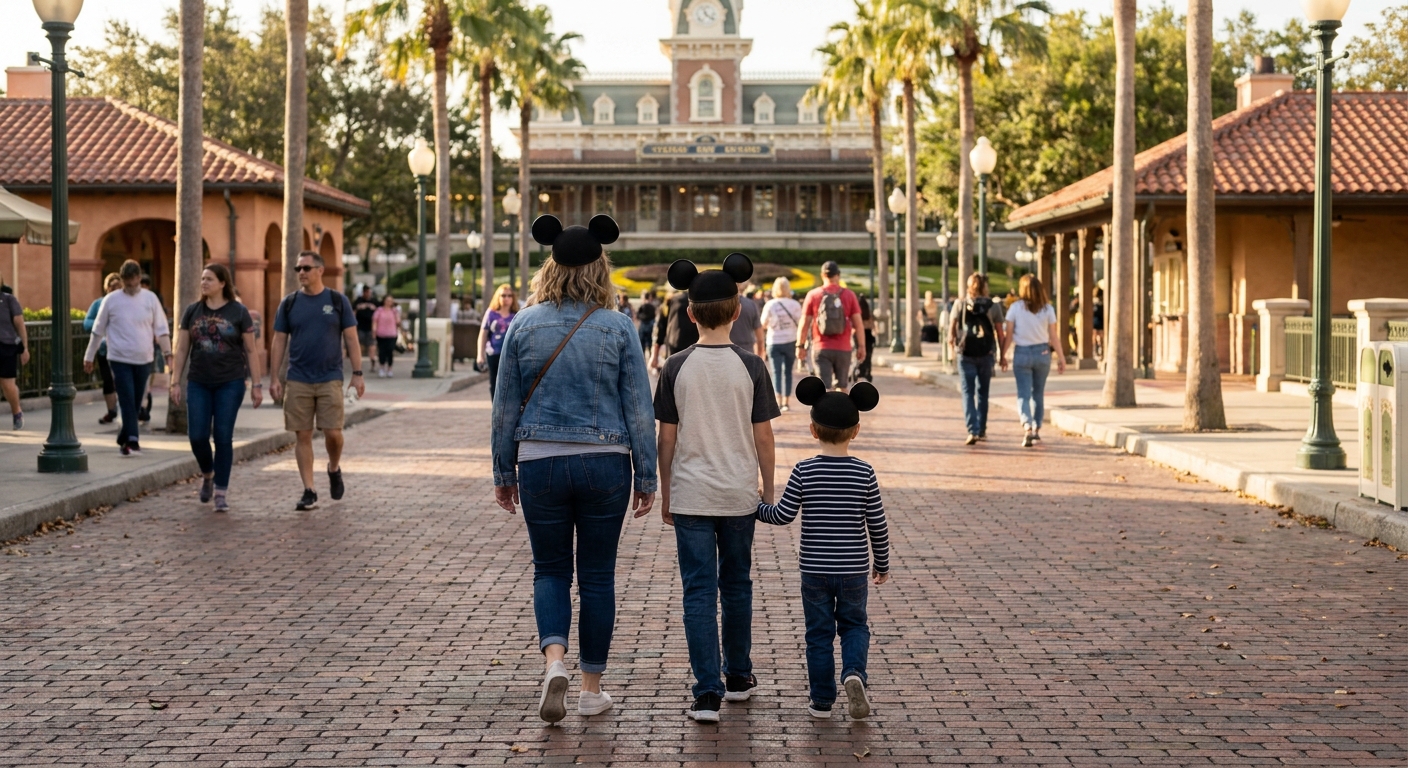
Best Disney World Parks for Toddlers Ranked
Magic Kingdom is usually the best toddler park because it gives you the most low-height rides, the easiest “do one more thing” options, and the most ways to recover when your plan falls apart.
Here’s the honest ranking for most families with toddlers:
| Rank | Park | Ride volume for toddlers | Shade / AC breaks | Stroller navigation | Character access | Dining ease | Nap friendliness | Sensory intensity | Parent enjoyment |
|---|---|---|---|---|---|---|---|---|---|
| 1 | Magic Kingdom | Best | Good if you use shows/indoor rides | Crowded but manageable | Excellent | Easy quick-service, many snacks | Good with indoor rides and longer shows | Moderate, with parade/fireworks spikes | High, especially for classic Disney feel |
| 2 | Animal Kingdom | Lower ride count, better exploration | Best natural shade | Wide paths, but spread out | Good, less frantic | Solid, especially if you plan meals early | Very good, slower pace | Lower overall, except big shows/Avatar area | High if adults like animals and atmosphere |
| 3 | EPCOT | Moderate, with more walking | Mixed | Very stroller-heavy because distances are long | Good, especially around World Showcase | Best for adult food, decent for sharing | Good if you embrace slow touring | Moderate, but festivals can feel busy | Very high for parents |
| 4 | Hollywood Studios | Lowest toddler-friendly ride volume | Mixed | Bottlenecks are common | Good but can require planning | Uneven, book or mobile order early | Hardest park for an easy reset | Highest overall | High for Star Wars/Toy Story fans, lower for toddler-first days |
Why Magic Kingdom Usually Wins
Magic Kingdom has the biggest toddler advantage: volume. You can stack small wins without crossing the whole park every time.
For toddlers, that matters more than headliners. A good toddler day is not “we did the biggest rides.” It’s “we had enough short, low-stress things close together that nobody melted down by lunch.”
The strongest toddler zones are:
- Fantasyland for The Many Adventures of Winnie the Pooh, “it’s a small world,” Prince Charming Regal Carrousel, Dumbo the Flying Elephant, and Mickey’s PhilharMagic
- Storybook Circus for Dumbo, splashy play energy, and stroller-friendly pacing
- Tomorrowland for Tomorrowland Transit Authority PeopleMover and Walt Disney’s Carousel of Progress
- Adventureland for Jungle Cruise and The Magic Carpets of Aladdin
Pro tip: Walt Disney’s Carousel of Progress is one of the best emergency toddler resets in Magic Kingdom: it is usually low-wait, dark, air-conditioned, seated, and long enough for everyone to breathe.
Magic Kingdom also gives you more fallback options when a toddler refuses the plan. If a line is too long, you can pivot to a nearby ride, show, snack, cavalcade, indoor break, or character moment without burning 25 minutes walking across the park.
The Magic Kingdom Rope Drop Trap
The toddler mistake is treating rope drop like a thrill-ride race.
Early Theme Park Entry gives eligible Disney hotel guests 30 minutes before regular park opening, but not every land is open during that window. At Magic Kingdom, the practical early focus is usually Fantasyland and Tomorrowland. That means the morning crowd funnels hard into a few choices.
If you are with a toddler, your first decision can create a giant swing in your morning. Chasing the biggest-demand ride may save time for adults, but it can also stick your family in a stressful line before the day even starts. On some mornings, the difference between choosing one popular first stop and another can be roughly 100 minutes by the time regular park opening hits.
For toddler families, the smarter move is usually:
- [ ] Arrive well before posted opening if you are rope dropping
- [ ] Start with a cluster of toddler-friendly rides, not one risky mega-line
- [ ] Use Early Theme Park Entry for Fantasyland or Tomorrowland efficiency
- [ ] Save outdoor spinners and playground-style breaks for after the first wave
- [ ] Plan an indoor reset before the toddler asks for one
If your child is too short or too unsure for the major thrill rides, do not build the morning around TRON Lightcycle / Run or Seven Dwarfs Mine Train. Both are Lightning Lane Single Pass attractions, not Multi Pass, and neither is the reason Magic Kingdom is best for toddlers.
When Animal Kingdom Is Better
Pick Animal Kingdom if your toddler loves animals, your group needs a calmer day, or you want more shade and fewer “next ride, next ride” expectations.
Animal Kingdom has fewer toddler rides, but it can be a better emotional fit. The walking trails, animal viewing, shows, and slower rhythm make it easier to have a good day without constantly managing standby lines.
The warning: do not assume rope dropping Avatar Flight of Passage fixes your day. Avatar Flight of Passage is a Lightning Lane Single Pass attraction, and Animal Kingdom mornings can still get intense around Pandora. There have been mornings where Flight of Passage posted extremely long waits right at opening. With a toddler, that is usually not the hill to die on.
Better toddler-first Animal Kingdom plan: arrive early, enjoy the animals while they are active, book an early meal or snack break, and avoid dragging a stroller through the highest-demand crowd flow just because everyone else is doing it.
When EPCOT Is Better
EPCOT is the best choice when the adults need to enjoy the day too.
It has more walking than families expect, so the stroller matters. But EPCOT is great for toddlers who nap in the stroller, snack well, enjoy characters, and can handle a looser schedule. World Showcase can be surprisingly toddler-friendly if you stop thinking of it as a checklist and start treating it as a long, snacky loop.
Dining is the big win. Sharing adult portions often works better than defaulting to kids’ meals, especially if your toddler grazes. A Margherita pizza at Via Napoli, for example, can be easier and less wasteful than buying separate small meals nobody finishes.
When Hollywood Studios Fits Better
Hollywood Studios is the toughest toddler-first park because the attraction lineup skews older, louder, and more reservation-dependent.
That does not mean skip it. Go if your toddler is obsessed with Toy Story, Disney Junior, Frozen, or Star Wars atmosphere. Just keep expectations tight: this is usually a half-day toddler park unless the adults have major priorities.
The biggest issue is sensory intensity. Crowded walkways, loud shows, big franchise areas, and fewer easy low-wait toddler rides can make the park feel harder than it looks on paper.
The move: use it for a targeted morning, book dining carefully, mobile order early, and leave before the park starts feeling like a stroller traffic jam.
How Many Park Days Do Toddlers Really Need?
Fewer than you think. With a toddler in tow, the limiting factor isn’t the rides — it’s nap windows, meltdown math, and pool time. Most toddler families over-buy park days and burn out by day three. Plan around the kid’s stamina, not the ticket calendar.
Here’s the honest baseline: two on-park days per genuine rest day. A toddler can give you one strong morning and a soft afternoon before the wheels come off. Build the trip around that rhythm and you’ll all have a better time — and spend less.
How long should YOUR trip be?
| Family type | Sweet-spot park days | Why |
|---|---|---|
| First-timers | 4 | Enough to see all four parks once, unrushed, with a built-in rest day |
| Resort-heavy / pool lovers | 2–3 | Save money and energy for the hotel; the resort is part of the trip with little kids |
| Budget trip | 2 | Per-day ticket price drops the more days you add, but 2 focused days beats 4 exhausted ones |
| Families with older siblings | 4–5 | Big kids want headliners; you’ll need extra days so everyone gets their thing |
Pro tip: Disney ticket pricing is heavily back-loaded — the first day costs the most and each added day costs less, so a 4-day ticket’s per-day rate is far lower than a 1-day. If you’re on the fence between 3 and 4 days, the math often nudges you to 4. But only add the day if the toddler can spend it — a wasted park day is the most expensive day there is.
Sample toddler-friendly park mixes
These all assume an early start, a midday return to the resort for a real nap (not a stroller nap), and an optional easy evening.
2-Day (budget / short trip)
- [ ] Day 1 — Magic Kingdom (rope drop Fantasyland: Dumbo, Peter Pan, the carousel)
- [ ] Day 2 — Animal Kingdom or EPCOT (animals + open space, or World Showcase strolling)
3-Day (resort-heavy)
- [ ] Day 1 — Magic Kingdom
- [ ] Day 2 — REST: pool, late breakfast, no alarm
- [ ] Day 3 — Animal Kingdom or EPCOT
4-Day (first-timer classic)
- [ ] Day 1 — Magic Kingdom
- [ ] Day 2 — Animal Kingdom (lower-key, great for early-day animals)
- [ ] Day 3 — REST day
- [ ] Day 4 — EPCOT or Hollywood Studios (half-day energy, hit one land hard)
5-Day (with older siblings)
- [ ] Day 1 — Magic Kingdom
- [ ] Day 2 — Hollywood Studios (big kids: the headliners)
- [ ] Day 3 — REST day
- [ ] Day 4 — EPCOT
- [ ] Day 5 — Animal Kingdom, easy morning + early out
Where the rest day goes (this is the whole game)
Don’t stack four park days and rest at the end — by then it’s damage control. Drop the rest day in the middle, around day 3, so it recharges everyone for the back half. On a true rest day, sleep in, hit the pool, and skip the parks entirely. That’s not a wasted ticket day; it’s what makes the other days work.
A few money-and-logistics calls
- Rope drop matters more, not less, with a toddler. The first 30–60 minutes after opening is your only reliably short-line window before naps. Disney often starts moving guests through security and into holding areas before the posted time, so aim to be at the gates well ahead of opening — riding two or three things early beats fighting 60+ minute lines at noon with a tired kid.
- Off-property can stretch a budget trip. Disney Good Neighbor hotels minutes from the parks sometimes bundle perks like free parking, breakfast, and park transportation — and Annual Passholders occasionally see hotel discounts up to around 30%. You trade some on-site magic for real savings; for a 2–3 day pool-and-park trip with a toddler, that trade often makes sense.
- Park Hopper is genuinely useful here. You can hop anytime the parks are open (no afternoon restriction), so a common toddler move is a Magic Kingdom morning, a midday nap, then an easy EPCOT World Showcase evening. Only buy it if your plan actually uses two parks in a day.
The one thing to remember: match days to the toddler, not the brochure — two parks per rest day, the rest day in the middle, and an early start every park morning. SupaPark’s crowd forecasts and “which park today?” call make it easy to slot your lighter park days onto the calmer dates, and the best-time-to-ride forecaster tells you exactly when those short morning windows close.
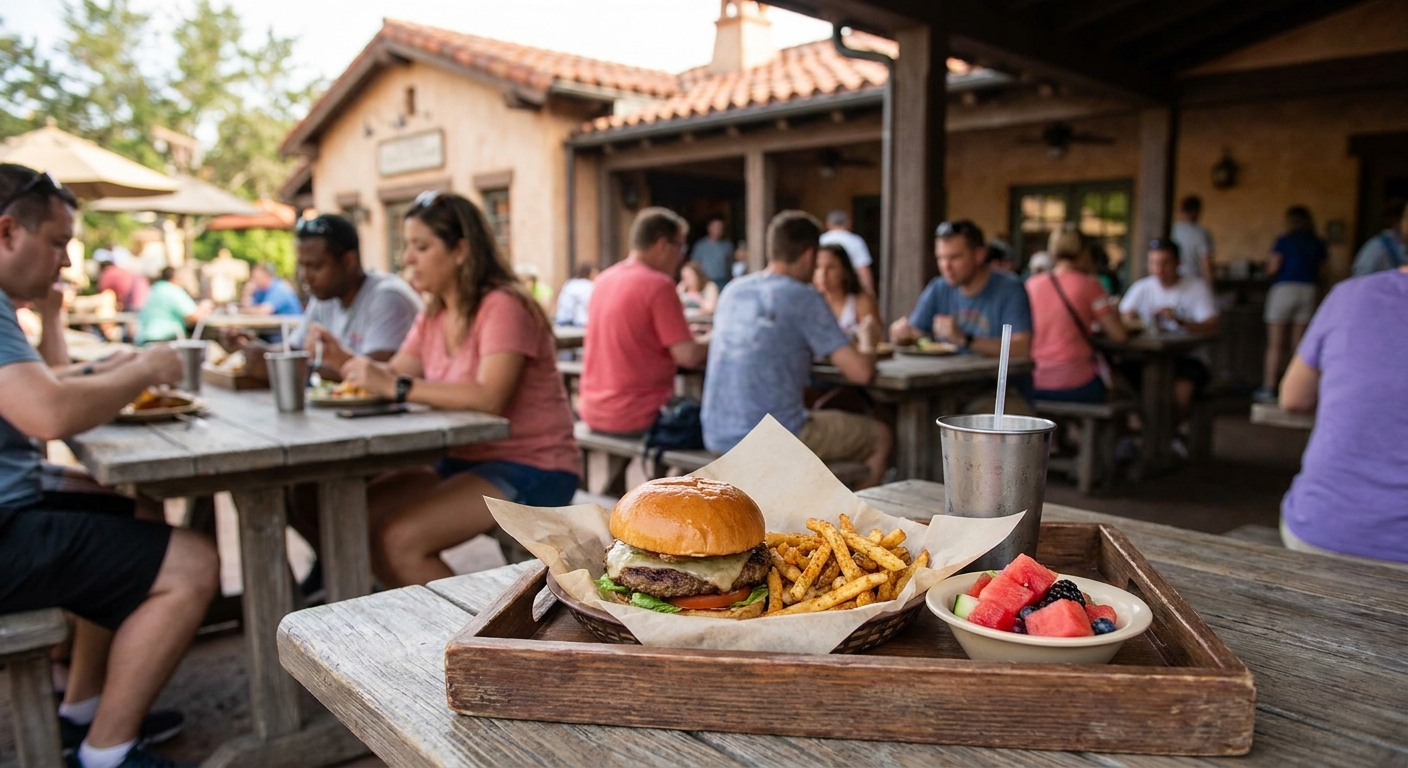
Toddler Cost Breakdown: Tickets, Strollers, Food, Lightning Lane, and Extras
Taking a toddler to Disney World changes your budget entirely—you’ll spend less on park tickets and thrill rides, but significantly more on convenience, stroller logistics, and on-demand snacks.
The “Under 3” Freebie
Kids under three years old are the ultimate Disney budget hack. They do not need a theme park ticket, and they do not need their own Lightning Lane purchases. If they ride with you on Peter Pan’s Flight, they simply walk on with your scan.
Strollers: Bring vs. Rent
You need a stroller, even if your toddler reliably walks at home.
- Renting from Disney: Skip this. The in-park rentals are hard, unpadded plastic molded boats that do not recline. They are terrible for toddler naps and you can’t take them back to your hotel.
- The smart move: Bring your own from home, or rent a padded, reclining stroller from a third-party Orlando vendor that delivers directly to your resort. It’s often cheaper for a multi-day trip and vastly more comfortable for the kid.
Feeding the Toddler (and Saving Money)
Snacks and meals add up fast when you’re buying out of desperation.
- Share, don’t split: Skip the “kids meal” label. Share an adult-size portion instead. For example, grab an adult Margherita pizza at Via Napoli in EPCOT. It’s cheaper, reduces packaging waste, and easily feeds a toddler plus a parent.
- Allergies: Disney offers allergy-friendly menus at around 120 locations, including most counter-service spots. Use the My Disney Experience app to filter restaurants before you walk up.
- Character Meals: These are expensive, but you are paying for the convenience of characters coming to your table while you sit in air conditioning, rather than standing in a long outdoor line for a meet-and-greet.
Pro tip: Buy discounted Disney gift cards at Sam’s Club before your trip to save roughly 5%, and allocate them strictly as your daily snack and souvenir budget so you don’t impulse-buy your way to a massive credit card bill.
Dining Reservations (ADRs)
Advance Dining Reservations open 60 days before arrival at 6:00 AM Eastern Time in the My Disney Experience app.
- Early ADRs: Lock in a table at Liberty Tree Tavern (Magic Kingdom) or Sanaa (Animal Kingdom Lodge) as soon as your window opens. Early dining slots are significantly quieter, giving toddlers a calmer environment before the evening meltdowns hit.
- Last-minute fallback: If you missed the booking window, Sanaa rarely has long waitlists, making it an excellent fallback where you can often snag a table even a day or two before your visit.
Lightning Lane Strategy
Disney’s skip-the-line system, Lightning Lane, is your best defense against toddler tantrums in ride queues.
- Lightning Lane Multi Pass: Bought per day, allowing you to pick selections in advance (up to 7 days before arrival for resort guests, 3 days for off-site, starting at 7:00 AM ET). For a toddler trip, Multi Pass is highly recommended at Magic Kingdom (which is packed with low-height-requirement rides), but often skippable at EPCOT or Animal Kingdom.
- Lightning Lane Single Pass: Bought à la carte for top headliners like TRON Lightcycle / Run, Guardians of the Galaxy: Cosmic Rewind, and Avatar Flight of Passage. Since your toddler isn’t tall enough for these, skip Single Pass entirely unless the adults are utilizing Rider Switch. The only exception is Seven Dwarfs Mine Train (38" height requirement), which taller toddlers can ride.
Resorts & Transportation
Disney’s Magical Express complimentary airport bus ended in 2022. You now have to budget for a paid shuttle (like Mears Connect) or a rideshare to get from the airport to your hotel. Staying at a Disney resort gives you Early Theme Park Entry (30 minutes before the general public). Rope dropping Fantasyland during this window is the absolute best way to ride Peter Pan’s Flight without paying for a Lightning Lane.
Toddler Trip Strategies Compared
| Trip Style | Resort Choice | Stroller Strategy | Dining Vibe | Lightning Lane Strategy |
|---|---|---|---|---|
| Budget | Value Resort or Off-site | Bring from home | Share adult quick-service meals | Rope drop early; skip Multi Pass |
| Moderate | Moderate Resort (better pools) | Third-party rental delivery | 1 Character Meal + early ADRs at Sanaa | Multi Pass at Magic Kingdom only |
| Convenience | Deluxe Resort (monorail access) | Third-party rental delivery | Multiple Character Meals (saves line time) | Multi Pass every day |
Pre-Trip Action Plan
- [ ] Order a third-party stroller rental for delivery to your hotel.
- [ ] Buy discounted Disney gift cards for your in-park snack budget.
- [ ] Set an alarm for 6:00 AM ET, 60 days before your trip, to book early dinner ADRs.
- [ ] Set an alarm for 7:00 AM ET (7 days out for resort guests, 3 days for off-site) to book Lightning Lane Multi Pass selections.
Where to Stay with a Toddler: Disney Resort, Good Neighbor Hotel, or Off-Site?
The move is matching your toddler’s nap schedule to your transportation tolerance—if you plan to return mid-day for a nap, staying on-site is almost mandatory to save your sanity.
Choosing where to sleep with a toddler isn’t just about the bed; it’s about the logistics of moving a tired, overstimulated child from a theme park back to a quiet space. When evaluating your options, total cost, room layout, and transportation reliability should guide your decision. Here is how the three main lodging categories break down for families with small kids.
1. Disney Resort Hotels (On-Site)
Staying in the “Disney bubble” means relying on Disney’s complimentary transportation and enjoying the closest proximity to the parks.
- Nap Access & Transportation: Unmatched, especially at resorts on the Skyliner or monorail. You can often roll a sleeping toddler directly onto the transportation and into the room without waking them. Note that Disney no longer offers a free airport shuttle, but savvy travelers use local public bus routes to get from the Orlando airport to the Disney resort area for as little as $2.
- The Early Entry Advantage: Disney hotel guests get Early Theme Park Entry (30 minutes before official opening) and Extended Evening Hours (for Deluxe resorts). Getting into the parks early is your best defense against long lines. Disney often lets people through security 15 to 30 minutes before the posted opening time, so if a park opens at 9:00 AM, you need to be at the gates by 8:00 AM. Even with Early Entry, headliners fill up fast—guests at Animal Kingdom recently found a 145-minute wait for Avatar Flight of Passage right at 8:00 AM.
- Dining Promos: Staying on-site can occasionally unlock massive savings. For example, Disney Visa Cardmembers who book a non-discounted 4-night, 4-day Walt Disney Travel Company package (with Park Hopper) for select dates in 2025 (like June 29th–September 30th, October 20th–November 1st, or December 6th–December 22nd) can score a free Disney Dining Plan.
- Drawbacks: The highest price tag per square foot. Standard rooms lack kitchens or in-room laundry, which can complicate toddler meal prep.
2. Good Neighbor Hotels
These partner hotels sit just outside Disney property. They offer a middle-ground price point while retaining a few perks.
- Space & Savings: Many offer free breakfasts and spacious suite options. Annual Passholders should pay special attention here. For example, the Delta Hotels Orlando Celebration—located just five minutes from Disney—frequently runs up to 30% off regular room rates for Passholders. They also throw in free parking and free breakfast for up to four people per day.
- Transportation: They provide complimentary shuttles to Disney and often Universal Orlando, but these are scheduled. They do not run continuously like Disney buses.
- Drawbacks: Shuttle reliability. Missing a scheduled mid-day shuttle with a melting-down toddler means paying for a rideshare or waiting an hour.
3. Off-Site (Vacation Homes & Non-Partner Hotels)
Renting a house, condo, or non-partner hotel gives you the most space for the lowest cost.
- Room Layout: Unbeatable. You can put the toddler to sleep in their own room while you stay awake in the living room.
- Kitchen, Laundry & Pool Time: Having a full kitchen to prep familiar toddler snacks and in-room laundry to handle inevitable messes is a massive advantage. Many vacation rentals also feature private splash pools.
- Drawbacks: Zero Disney perks. You must drive to the parks every day, pay the daily theme park parking fee, and deal with the long trek from the parking lot to the park gates.
The Toddler Lodging Decision Matrix
| Priority | The Smart Move | Why It Works | The Trade-Off |
|---|---|---|---|
| Convenience & Mid-Day Naps | Disney Resort (Skyliner or Monorail) | Roll a stroller right onto transportation; back in your room in 20 minutes. | Highest total cost; smaller standard rooms. |
| Space & Routine | Off-Site Vacation Home | Separate bedrooms, full kitchens, private pools, and in-house laundry. | Must drive daily; pay for parking; no Early Entry. |
| Budget & Basic Perks | Good Neighbor Hotel | Lower rates, free breakfasts, and often larger suite layouts. | Scheduled shuttles can be rigid and infrequent. |
Lodging Checklist for Toddler Families
Before locking in your reservation, verify these logistical details:
- [ ] Check the actual transit time: Map the route from the hotel to Magic Kingdom. Off-site hotels may say “10 minutes to Disney,” but they mean the property line, not the park gates.
- [ ] Confirm shuttle schedules: If staying at a Good Neighbor hotel, ask how often the shuttle runs mid-day. If it stops between 11:00 AM and 4:00 PM, your nap strategy is ruined.
- [ ] Verify luggage logistics: If you are flying, remember that Southwest Airlines is dropping its “two free checked bags” policy starting May 28th, 2025. If you need to check multiple bags for toddler gear, factor those new bag fees into your total trip budget.
- [ ] Use a travel expert: If weighing the perks versus the costs is overwhelming, hand it off. We recommend using a specialized travel agent, like our friends at Mouse Fan Travel, who have over 20 years of experience navigating Disney lodging options.
Pro tip: If you are staying off-site to save money, factor the daily theme park parking fee and the cost of an occasional mid-day rideshare into your budget. Sometimes, the savings of an off-site hotel are completely eaten up by the logistics of moving your family back and forth twice a day.
Stroller Strategy: Bring, Rent, or Go Without?
If your kid is under 4, bring or rent a stroller even if they “never use one at home” — Disney World is a 5-to-10-mile-walking-day machine, and a toddler who melts down at noon ruins everyone’s afternoon. Home is a stroll to the park; Disney is marathon mileage on hot pavement with hours of standing. The stroller is also a mobile nap pod, snack station, and sanity holder. Plan to use one.
Know the size rule before you buy or pack
Disney caps stroller size at 31 inches (79 cm) wide and 52 inches (132 cm) long. Wagons are not permitted as strollers anywhere on property. Most standard single and double strollers clear this easily, but oversized side-by-side doubles and some wagon-style rigs do not — check your dimensions before you fly.
Bring, rent on-site, or rent off-site?
| Option | Best for | Trade-offs |
|---|---|---|
| Bring your own | Families who already own a good travel stroller; multi-day trips | You haul it through the airport; risk of airline damage |
| Disney park rental | Day-trippers, light packers | Around $15–$18/day single; not available at resorts; can’t take it back to your room; basic, no recline |
| Off-site rental company | Multi-day stays, want a real stroller | Delivered to your resort, yours 24/7, far comfier; book ahead in busy seasons |
Pro tip: Disney’s in-park rentals are hard plastic with no recline and vanish the moment you leave the gate — useless for a napping toddler or the walk back to your resort. For any trip over two days, an off-site rental dropped at your hotel is almost always the better call.
Single vs. double
- One toddler: A single is fine, but size up if you want storage and recline.
- Two kids under 6, or one toddler + an older kid who fades: Get the double. The empty seat becomes the bag holder, the souvenir hauler, and the spot for the 5-year-old who swore they’d walk.
- Watch the width. Doubles eat space on buses, in shops, and on the Skyliner — narrower in-line (“stadium”) doubles maneuver better than wide side-by-sides.
Airport and resort logistics
- [ ] Gate-check your stroller — strollers fly free and you keep it right up to boarding
- [ ] Pack it in a padded stroller travel bag to survive baggage handling
- [ ] Skip Magical Express planning entirely — that free airport bus ended in 2022; budget for Mears Connect, Sunshine Flyer, or rideshare instead
- [ ] Confirm your off-site rental drop-off and pickup times with your resort’s Bell Services
Stroller parking inside the parks
Cast Members organize strollers into designated parking zones near attractions, and they will move yours to keep walkways clear — so never assume it’ll be exactly where you left it. Don’t panic if it’s been shuffled a few feet over; just check the nearby rows.
The toddler stroller kit
- [ ] Rain cover — Florida storms arrive fast most afternoons; a clear cover keeps a sleeping kid dry without a full stop
- [ ] Clip-on fan — summer heat is brutal at stroller height; a battery fan is a meltdown preventer
- [ ] Sunshade extension — low sun and long lines mean more exposure than you’d think
- [ ] Name tag / bright ribbon — tie something distinctive on the handle; you’ll spot yours instantly in a sea of identical black strollers
Theft prevention and what to leave out
Stroller “theft” is usually a mix-up — hundreds of look-alikes parked together — but real grabs happen too. Two rules:
- Make it ugly and obvious. A bright bungee, pool noodle on the handle, or loud ribbon does double duty: easy to find, less appealing to take.
- Treat the stroller as a hauler, not a safe. Never leave anything you can’t replace while you’re on a ride.
Keep these on your body, never in the stroller:
- [ ] Phone, wallet, and credit cards
- [ ] Park tickets / MagicBands (if not worn)
- [ ] Car or rental keys
- [ ] Any pricey electronics
The one thing to remember: Bring more stroller than you think you need, label it loud, and never leave valuables in it. The stroller’s job is to carry the gear and a tired toddler — your job is to carry everything you can’t afford to lose.
Packing for Disney World with a Toddler
Pack for the problem you will actually have at 2:00 PM: heat, hunger, wet clothes, dead phones, and a toddler who is completely done.
The best Disney World toddler bag is not the biggest bag. It is a reset kit. You want enough to survive spills, sweat, meltdowns, rain, diaper emergencies, and a long transportation ride back to the hotel without hauling your entire nursery through security.
The Smart Park-Bag Framework
Think in layers: one small “grab bag” for lines and meals, one stroller stash for bulkier backup items, and one hotel-room reserve you do not drag into the parks.
| Where it goes | Pack this | Why it matters |
|---|---|---|
| Small park bag | Diapers or pull-ups, wipes, sunscreen stick, snacks, medications, portable charger, comfort item | This is what you need fast in a queue, restaurant, or restroom |
| Stroller basket | Extra clothes, poncho or rain cover, cooling towel, spare shoes or socks, refillable water bottle | Useful, but not worth carrying on your shoulder all day |
| Hotel room | Extra diapers, full medicine kit, backup outfits, extra snacks, laundry supplies | Saves money without overloading your park bag |
Pro tip: Pack one complete toddler outfit in a gallon zip bag, then use that same bag to seal the wet, sticky, or mystery-stained outfit later.
Your Toddler Park Bag Checklist
- [ ] 4-6 diapers or pull-ups, plus 2 more than you think you need for long park days
- [ ] Travel wipes and a few disposable changing pads
- [ ] Diaper cream or anti-chafe balm
- [ ] A full change of clothes, including socks
- [ ] Lightweight pajamas if you expect a stroller nap or late fireworks night
- [ ] Sunscreen lotion for morning application and a sunscreen stick for reapplying faces and ears
- [ ] Hat, sunglasses, and a cooling towel
- [ ] Ponchos or a compact rain jacket
- [ ] Resealable bags for wet clothes, snack trash, and diaper emergencies
- [ ] Small first-aid pouch with bandages, fever reducer, allergy meds, and any prescriptions
- [ ] Portable charger and short charging cable
- [ ] One comfort item: pacifier, small blanket, lovey, or favorite tiny toy
- [ ] Snacks your toddler will actually eat, not aspirational vacation snacks
For snacks, go boring and reliable: pouches, crackers, dry cereal, granola bars, fruit snacks, and something salty. Disney snacks are fun, but a hungry toddler does not care that you were “just about to mobile order.” Keep one emergency snack hidden for the bus, Skyliner, monorail, or parking lot exit.
Stroller Gear That Actually Earns Its Space
Your stroller is your mobile base camp, but it can turn into a rolling junk drawer fast. The essentials are simple.
- [ ] Stroller fan with a secure cover
- [ ] Rain cover or poncho large enough to drape over the seat
- [ ] Stroller hook or carabiner for light bags only
- [ ] Clip-on ID tag or bright ribbon so you can spot it after Cast Members move stroller parking
- [ ] Small blanket or muslin cloth for shade, warmth, or stroller naps
- [ ] Cup holder or parent organizer for water and sunscreen
Skip oversized stroller wagons unless your specific setup is allowed under Disney’s current rules. Also skip bringing every toy your toddler likes. One or two comfort items are useful; six loose toys become a scavenger hunt.
Weather Gear: Pack for Sun and Sudden Rain
Disney World weather can swing from blazing sun to sideways rain quickly, especially in warm months. Toddlers do not regulate heat like adults, so build in cooling before they melt down.
Bring sunscreen, hats, breathable clothes, a stroller fan, and water. For rain, choose compact ponchos or a stroller rain cover over umbrellas. Umbrellas are awkward in crowds, annoying in stroller parking, and not much help when you are also carrying a toddler.
Extra socks are underrated. Wet socks can ruin a toddler’s mood faster than a long wait.
Medications and “Do Not Buy This in the Park” Items
Bring any medication your child might reasonably need, because tracking down the right toddler medicine during a park day is the opposite of efficient. Include fever reducer, allergy medicine if your pediatrician recommends it, motion-sickness supplies if relevant, and prescriptions in original packaging.
Also pack diaper cream, blister care for adults, and a thermometer if your toddler is prone to fevers. You may never use it. That is fine. This is the category where a small overpack is better than a resort gift-shop scramble.
Airplane and Road-Trip Supplies
For flights or long drives, pack a separate travel pouch so your park bag does not get destroyed before you even arrive.
- [ ] Diapers or pull-ups for the travel day, plus delays
- [ ] Wipes within arm’s reach
- [ ] Change of clothes for toddler and at least one clean shirt for an adult
- [ ] Headphones, tablet, charger, and downloaded shows
- [ ] Snacks divided into small portions
- [ ] Lollipops, pouch snacks, or a drink for takeoff and landing pressure
- [ ] New small activities: stickers, water-reveal books, chunky crayons
- [ ] Plastic bags for accidents or motion sickness
Airline baggage rules matter more for toddler trips than most families realize. Southwest’s long-running two-free-checked-bags policy ended for many travelers starting May 28, 2025, with exceptions tied to status and certain cardholder benefits. Other airlines sometimes counter with limited-time bundles that include things like carry-ons, seat selection, flight changes, or checked bags on select nonstop flights. The takeaway: do not build your packing plan around old baggage assumptions. Before you buy flights, compare the total cost with stroller, car seat, checked bags, seat selection, and carry-ons included.
What Not to Overpack
Do not bring a full diaper box into the park. Do not pack five backup outfits unless your toddler is actively potty training. Do not carry full-size sunscreen, full-size wipes, every medication you own, and a week of snacks on your shoulder.
The move is to restock nightly. Keep the park bag lean, use the stroller for backup gear, and leave the true bulk at the hotel. A lighter bag makes security faster, transportation easier, and your patience last longer.
The Toddler Sleep Plan: Naps, Bedtime, and Mid-Day Breaks
Build the Disney day around your toddler’s normal sleep rhythm, not around how much you think you “should” get done.
A tired toddler can turn a perfectly good park day sideways fast. The smartest Disney World toddler strategy is not “push through.” It’s choosing, before the trip, what kind of nap day you’re planning for: stroller nap, resort nap, car nap, or quiet indoor reset.
The best option depends on your child’s sleep style, your resort distance, your park, and whether you’re trying to protect bedtime or trade it for fireworks.
Pick Your Nap Type Before the Day Starts
| Sleep option | Best for | Watch out for | Smart move |
|---|---|---|---|
| Stroller nap | Toddlers who can sleep through noise and motion | Heat, overstimulation, short naps | Use a fan, shade, and a low-stimulation walking loop |
| Resort nap | Kids who need a real crib, darkness, or routine | Transportation time can eat 90+ minutes round-trip | Best if you’re staying close to the park you’re visiting |
| Car nap | Families driving or park-hopping with a rental car | Transfers can wake them up | Use it between parks, not as the only nap plan |
| Quiet indoor break | Kids who won’t nap but need a reset | It’s not a full sleep replacement | Aim for dark, cool, seated attractions or calm restaurants |
A stroller nap works best when you accept that it may be imperfect. You’re not recreating the nursery; you’re buying enough rest to make dinner possible. A resort nap is the gold standard for sleep quality, but it only makes sense if the travel time doesn’t wreck the day. From Magic Kingdom, leaving, folding the stroller, waiting for transportation, getting back to the room, settling down, and returning later can burn a huge chunk of afternoon.
Pro tip: The most underrated toddler break at Magic Kingdom is Carousel of Progress: it’s usually a very short wait, dark, air-conditioned, seated, and long enough for everyone to decompress.
Don’t Rope Drop If It Breaks Your Toddler
Rope drop can be a great line-saving move, but with toddlers, “early” has a cost. If the park opens at 9:00 AM, serious rope-drop families may be at the gates around 8:00 AM or earlier because Disney often starts moving guests through security and into holding areas before the posted opening. That first 15–30 minutes can be valuable for knocking out a popular ride before waits build.
But here’s the toddler catch: if getting there early means waking your child an hour before normal, skipping breakfast, and starting the day already cranky, you may lose more than you gain.
Use rope drop when:
- [ ] Your toddler is naturally an early riser.
- [ ] You can get breakfast handled before leaving.
- [ ] You’re using Early Theme Park Entry and have a clear first ride.
- [ ] You plan to leave by lunch for a real break.
Skip rope drop when:
- [ ] Your toddler had a late night.
- [ ] You changed time zones and mornings are rough.
- [ ] You’re planning fireworks that night.
- [ ] You’re already expecting a stroller nap instead of a room nap.
Early Theme Park Entry gives eligible Disney hotel guests 30 minutes before regular park opening, which can be genuinely useful. But it is not a toddler miracle. Some headliners can still stack up fast, especially when everyone has the same idea. Avatar Flight of Passage at Animal Kingdom, for example, can draw heavy demand even right at opening, and it is a Lightning Lane Single Pass ride, not Multi Pass.
The Midday Break Is Not Wasted Time
The classic toddler Disney schedule is simple because it works:
- [ ] Early park arrival.
- [ ] Two or three priority attractions.
- [ ] Early lunch before restaurants get chaotic.
- [ ] Nap or quiet break.
- [ ] Return for low-pressure rides, dinner, or nighttime entertainment.
Meal timing matters more than people think. Lines often soften during meal periods, but toddlers also melt down when lunch runs late. An early Advance Dining Reservation can double as a reset, especially at calmer sit-down spots. ADRs open 60 days before arrival at 6:00 AM Eastern in My Disney Experience, separate from Lightning Lane timing. Early meals at places like Liberty Tree Tavern in Magic Kingdom or Sanaa at Animal Kingdom Lodge can give toddlers a quieter environment before the afternoon crash.
If you don’t want a full table-service meal, quick-service sharing can work better than buying tiny kids’ meals. One larger adult portion can be easier, cheaper, and less wasteful if your toddler is picking at food anyway.
Fireworks Are a Trade-Off, Not a Requirement
Fireworks with a toddler are magical in theory and risky in practice. They are loud, late, crowded, and difficult to exit from quickly. If your toddler is sensitive to noise or normally asleep by 8:00 PM, don’t make fireworks the centerpiece of the trip.
Better options:
- Watch from farther back instead of packing into the hub.
- Choose one fireworks night, not every night.
- Do a resort-viewing night if your hotel location makes that possible.
- Use fireworks time to ride attractions with shorter waits if your toddler is still awake.
This is also where the stroller nap decision matters. A solid stroller nap can make one late night possible. A missed nap plus fireworks is usually asking too much.
Adjust for Time Zones and Overstimulation
If you’re coming from a different time zone, don’t assume your toddler will instantly run on Florida time. A child from the West Coast may handle later nights better but struggle with early mornings. A child from the East Coast or Central time may be ready to crash before dinner after a hot, noisy park day.
Overstimulation looks like bad behavior, but it’s often a sleep problem. Too much noise, too many transitions, too much sugar, too many screens in line, and too little downtime can stack up.
The move is to protect one anchor each day: either the morning wake-up, the nap, or bedtime. You probably won’t protect all three at Disney World. Pick the one your toddler needs most, then build the rest of the day around it.
Rope Drop with a Toddler: When It Works and When It Backfires
Dragging a toddler out of bed at dawn only pays off if you ignore the massive headliner rides and spend your first hour stacking quick, zero-wait wins in Fantasyland.
Rope dropping—arriving at the park gates before they officially open—used to be a straightforward hustle. Today, it requires precision. Disney frequently starts letting guests through security and into holding areas 30 to 60 minutes before the posted opening time. If a park opens at 9:00 AM, walking up to the tapstiles at 9:00 AM means you are already behind thousands of people. To actually beat the crowds, you need to be at the front gates by 8:00 AM or earlier.
The Early Theme Park Entry Catch
If you are staying at a Disney World hotel, you receive Early Theme Park Entry, allowing you into the parks 30 minutes before regular guests. But there is a massive catch that catches first-timers off guard: not every land or ride participates in Early Entry.
At Magic Kingdom, only Fantasyland and Tomorrowland are open during this 30-minute window. Adventureland, Frontierland, Liberty Square, and Storybook Circus are completely closed off. Even inside the open lands, certain attractions like TRON Lightcycle / Run do not operate during Early Entry.
Pro tip: Don’t waste your 30-minute Early Entry head start standing at an internal drop rope waiting for a closed land to open; stay in Fantasyland and knock out three toddler-friendly dark rides before the regular crowds even tap into the park.
The Headliner Trap
The biggest mistake parents make is attempting the standard adult rope-drop strategy: sprinting to the park’s biggest, most thrilling ride.
At Animal Kingdom, the instinct is to rush straight to Avatar Flight of Passage (a Lightning Lane Single Pass attraction). Because everyone has the exact same idea, the standby line frequently hits 145 minutes right at 8:00 AM when the park opens. Standing in a stagnant, shoulder-to-shoulder holding area for two hours is a guaranteed toddler meltdown.
At Magic Kingdom, you face a 100-minute choice. You can run to Seven Dwarfs Mine Train with the masses and still end up waiting 60 to 90 minutes. Or, you can make the smarter choice for small children: use that exact same hour to walk onto Peter Pan’s Flight, The Many Adventures of Winnie the Pooh, Under the Sea, and Dumbo the Flying Elephant. For a toddler, ride volume and constant movement always beat ride prestige.
Rope Drop Strategy Comparison
| Strategy | Target Rides | Wait Times Encountered | Toddler Happiness |
|---|---|---|---|
| The Headliner Sprint | Flight of Passage, Seven Dwarfs Mine Train | 60–145 minutes | Low (standing in crowded, unshaded holding areas) |
| The Toddler Sweep | Na’vi River Journey, Peter Pan’s Flight, Dumbo | 5–15 minutes | High (constant movement, multiple experiences) |
The Toddler Rope Drop Checklist
Here is how you execute a morning arrival without the tears:
- [ ] Check the night before: Confirm current park hours, Early Entry times, and which attractions are actively participating in the My Disney Experience app.
- [ ] Arrive 60 minutes early: If Early Entry is at 8:30 AM, be at the security checkpoints by 7:30 AM.
- [ ] Prep the stroller: Unload the kids and the gear before security. You will have to quickly fold the stroller on the parking trams or Disney buses to get to the gates.
- [ ] Target the secondary tier: Head straight for high-capacity, toddler-friendly rides. In Magic Kingdom, start at Peter Pan’s Flight or Astro Orbiter.
- [ ] Bail before the heat: By 10:30 AM, the park will be packed and the concrete will be hot. Transition to indoor shows, a character meet-and-greet, or find an air-conditioned spot for a mid-morning snack.
When to Sleep In Instead
Sometimes, avoiding the morning rush is the smarter play. If your toddler had a late night watching fireworks, forcing a 6:00 AM wake-up will backfire before you even reach the park gates.
If you decide to sleep in, you can still book your Lightning Lane Multi Pass selections from your hotel bed starting at 7:00 AM, stacking your ride reservations for the late morning and afternoon. Arrive at the park at 10:00 AM, use your Lightning Lanes to bypass the standby queues, and focus on high-capacity indoor attractions.
If you arrive later and need an instant, reliable win at Magic Kingdom, head to Tomorrowland. The Carousel of Progress is the one 5-minute wait you can ALWAYS count on. It offers a dark, aggressively air-conditioned theater where you can sit down for 20 minutes while your toddler cools off, completely away from the midday crowds.
Lightning Lane with a Toddler: What’s Worth It and What Isn’t
With a toddler, Lightning Lane is sometimes a day-saver and sometimes a waste of money — and the difference comes down to which park you’re in, how tall your kid is, and whether you have an older sibling who needs the big rides.
Lightning Lane is Disney’s paid skip-the-line system, and it comes in two flavors. Multi Pass is the per-day option that covers most attractions in a park. Single Pass is à la carte — you pay separately for one premium headliner at a time.
How it actually works (the part that trips toddler families up)
You don’t wake up and scramble at 7:00 AM the day of. You pick your selections in advance:
- Disney resort/on-site guests: start booking 7 days before arrival (for the whole trip)
- Off-site guests: start 3 days before
- The advance window opens at 7:00 AM Eastern on your eligible day
You book an initial set of selections in My Disney Experience, then it works like a conveyor belt: once you tap in to ride one (or its return window passes), you add the next one, one at a time, through the day. So the real skill is refilling — re-opening the app after each ride to grab the next slot before the good stuff sells out.
Pro tip: Your booked Lightning Lane doesn’t vanish the instant your one-hour return window technically starts — there’s grace built into the system, which matters enormously with a toddler who melts down right as your window opens. Don’t panic if you’re running ten minutes behind a nap-induced delay; head over anyway.
Which Lightning Lanes a toddler can’t even use
This is where families waste money. The Single Pass rides are the biggest headliners — and several have height requirements your toddler won’t clear:
| Single Pass ride | Park | Toddler reality |
|---|---|---|
| Seven Dwarfs Mine Train | Magic Kingdom | 38" min — most toddlers too short |
| TRON Lightcycle / Run | Magic Kingdom | 48" min — no toddlers |
| Guardians: Cosmic Rewind | EPCOT | 42" min — no toddlers |
| Rise of the Resistance | Hollywood Studios | 40" min — most toddlers too short |
| Avatar Flight of Passage | Animal Kingdom | 44" min — no toddlers |
If it’s just you and a toddler, paying à la carte for these makes zero sense — you can’t ride them together. (Rider Switch is your friend if there’s a second adult; more on that elsewhere in this guide.)
When Multi Pass is worth it for a toddler family
Value swings hard by park and crowd level. Here’s the honest read:
| Scenario | Multi Pass value | Why |
|---|---|---|
| Magic Kingdom, moderate-to-busy day | High | Lots of toddler-friendly Multi Pass rides (Peter Pan’s Flight, Winnie the Pooh, etc.) that build long standby lines |
| Hollywood Studios with an older sibling | High | Big-ride lines are brutal; you’ll use every slot |
| Animal Kingdom, average day | Moderate | Fewer toddler rides; shorter standby on what they can ride |
| EPCOT, toddler-only | Low | Toddler-appropriate rides rarely build the lines that justify the cost |
| Any park on a genuinely quiet day | Low | Rope drop + nap-time touring beats paying to skip 20-minute lines |
The pattern: Multi Pass earns its keep at Magic Kingdom (most little-kid rides that also draw crowds) and on busy days with a mixed-age group. For a toddler-only trip on a calm day, your money is better kept in your pocket — rope drop and ride during meal times, parades, or fireworks instead.
The free moves that often beat paying
- [ ] Rope drop — be at the gates 15–30 minutes before posted open
- [ ] Use Early Theme Park Entry (30 min early) if you’re staying at a Disney hotel
- [ ] Ride during parades, fireworks, and meal windows when standby drops
- [ ] Save Lightning Lane budget for the one or two rides with stubbornly long lines
The takeaway
Don’t buy Lightning Lane on reflex. Match it to your day: high value at Magic Kingdom and on busy mixed-age days, low value for toddler-only trips and quiet days. Check height requirements before you pay for any Single Pass — and let SupaPark’s sell-out and refill forecasts tell you when a slot is actually about to disappear, so you only spend when it genuinely saves you a line you couldn’t beat for free.
Best Toddler-Friendly Rides and Attractions by Park
The best toddler park day is built around no-height rides, short “anytime” fillers, and air-conditioned resets — not just the famous rides everyone rushes first.
Toddlers do best when you treat attractions like a rhythm: ride, snack, shade, play, repeat. The trick is knowing which rides are truly easy wins, which shows buy you a calm 15–25 minutes, and which “kid-friendly” attractions can still be too dark, loud, or weirdly intense.
Pro tip: In Magic Kingdom, Walt Disney’s Carousel of Progress is one of the most reliable low-wait toddler breaks in the park: it often sits around 5 minutes, lasts long enough for everyone to reset, and gives you dark, cool air-conditioning without paying for Lightning Lane.
Magic Kingdom
Magic Kingdom is the strongest toddler park because it has the most no-height attractions packed close together. Fantasyland is the obvious base, but don’t sleep on Tomorrowland and Adventureland for lower-pressure fillers.
| Category | Best Picks | Toddler Strategy |
|---|---|---|
| No-height rides | “it’s a small world,” Dumbo the Flying Elephant, The Many Adventures of Winnie the Pooh, Under the Sea - Journey of The Little Mermaid, Jungle Cruise, Tomorrowland Transit Authority PeopleMover | Stack these early, then use lower-wait rides as mood savers later. |
| Gentle shows | Walt Disney’s Enchanted Tiki Room, Country Bear Musical Jamboree, Mickey’s PhilharMagic | Best when your toddler needs sitting time but not silence. |
| Play areas | Dumbo indoor play area, Casey Jr. Splash ‘N’ Soak Station | Dumbo’s play area is clutch because it is built into the wait experience. |
| Character experiences | Princess Fairytale Hall, Mickey at Town Square Theater, character meals nearby | Use these if your toddler loves characters; skip if they freeze up around costumes. |
| Anytime fillers | Carousel of Progress, PeopleMover, Liberty Square Riverboat | These are the “save the afternoon” choices when waits spike. |
| Air-conditioned breaks | Carousel of Progress, PhilharMagic, Hall of Presidents | Carousel of Progress is the easiest low-effort reset. |
| Approach carefully | Pirates of the Caribbean, Haunted Mansion, Buzz Lightyear’s Space Ranger Spin, Tiana’s Bayou Adventure | Darkness, loud effects, drops, or spooky scenes may be too much for sensitive toddlers. |
For rope drop, don’t chase the biggest adult headliner with a toddler unless the whole group has a plan. Disney resort guests get Early Theme Park Entry 30 minutes early, but not every land or ride is available during that window. Early Entry at Magic Kingdom usually emphasizes Fantasyland and Tomorrowland, which actually works well for toddlers: knock out Peter Pan’s Flight, Winnie the Pooh, Dumbo, or The Little Mermaid before midmorning waits build.
If you are not using Lightning Lane Multi Pass, the free line-avoidance moves still matter: arrive before opening, ride during meal times, use parade/fireworks windows if your toddler can handle the schedule, and shift to fillers once the park gets crowded.
EPCOT
EPCOT is better for toddlers than many parents expect, but it is spread out. The win here is mixing gentle rides with indoor exploration and character breaks.
| Category | Best Picks | Toddler Strategy |
|---|---|---|
| No-height rides | The Seas with Nemo & Friends, Journey Into Imagination With Figment, Living with the Land, Gran Fiesta Tour Starring The Three Caballeros | Start with Nemo or Frozen priorities, then use Land/Seas as calm space. |
| Gentle shows | Turtle Talk with Crush, Beauty and the Beast Sing-Along, Disney and Pixar Short Film Festival | Great sit-down breaks, though some toddlers may not track every joke. |
| Play areas | SeaBase aquarium area, seasonal festival play spaces when available | SeaBase is one of EPCOT’s best toddler decompression zones. |
| Character experiences | Meet Anna and Elsa, Mickey and friends, princess dining when available | Character lines can creep up, so use them intentionally. |
| Anytime fillers | Living with the Land, Gran Fiesta Tour, aquarium viewing | These are good “we need something now” choices. |
| Air-conditioned breaks | The Seas pavilion, The Land pavilion, Disney and Pixar Short Film Festival | The pavilions are your heat-management tools. |
| Approach carefully | Frozen Ever After, Remy’s Ratatouille Adventure, Spaceship Earth | Frozen has a small drop and dark moments; Remy can feel chaotic; Spaceship Earth is slow but dark. |
EPCOT’s toddler mistake is trying to tour it like a checklist. Don’t. Pick a few anchors, then use pavilions as indoor bases. The Seas pavilion can easily absorb 30–45 minutes between Nemo, Turtle Talk, and aquarium wandering.
Hollywood Studios
Hollywood Studios is the hardest toddler park because many headline rides have height requirements or intense themes. It can still work, but you need lower expectations and more show-based pacing.
| Category | Best Picks | Toddler Strategy |
|---|---|---|
| No-height rides | Mickey & Minnie’s Runaway Railway, Toy Story Mania! | These are the big toddler-friendly ride priorities. |
| Gentle shows | Disney Junior Play and Dance!, For the First Time in Forever: A Frozen Sing-Along Celebration, Beauty and the Beast Live on Stage | Shows do a lot of the heavy lifting here. |
| Play areas | Limited dedicated play space | Plan breaks at quieter corners instead of expecting a playground. |
| Character experiences | Disney Junior characters, Olaf, Mickey and Minnie | Best for toddlers who already know the characters. |
| Anytime fillers | Muppet*Vision 3D when available, Frozen Sing-Along, character wandering | Use shows when ride waits become unreasonable. |
| Air-conditioned breaks | Disney Junior, Frozen Sing-Along, indoor queues when available | Build these into the hottest part of the day. |
| Approach carefully | Mickey & Minnie’s Runaway Railway, Toy Story Mania!, Star Wars areas | Runaway Railway has loud, surprising moments; Toy Story Mania spins; Star Wars can be visually intense. |
If your toddler is not deeply into Disney Junior, Frozen, or characters, Hollywood Studios may be a half-day park. Don’t force a full day just because the ticket allows it.
Animal Kingdom
Animal Kingdom is excellent for stroller-paced toddlers because it offers trails, animals, shows, and shaded wandering. The catch: its top thrill rides are not toddler rides.
| Category | Best Picks | Toddler Strategy |
|---|---|---|
| No-height rides | Kilimanjaro Safaris, Na’vi River Journey, Wildlife Express Train | Safaris are best earlier when animals are often more active and heat is lower. |
| Gentle shows | Festival of the Lion King, Finding Nemo: The Big Blue… and Beyond! | Big payoff with no height requirement. |
| Play areas | The Boneyard when available | Great energy burn, but keep close watch in the climbing areas. |
| Character experiences | Adventurers Outpost, character flotillas when running | Lower-pressure than some indoor meet-and-greets. |
| Anytime fillers | Gorilla Falls Exploration Trail, Maharajah Jungle Trek, Discovery Island trails | These are perfect when you need movement without a line. |
| Air-conditioned breaks | Finding Nemo show, indoor dining, shops | Animal Kingdom has shade, but not as many indoor ride breaks. |
| Approach carefully | It’s Tough to Be a Bug! if available, Dinosaur-related experiences, Avatar Flight of Passage | Some effects and creature moments can scare toddlers; Flight of Passage is a Lightning Lane Single Pass ride and not toddler-friendly. |
At Animal Kingdom, don’t rope drop Avatar Flight of Passage with a toddler unless another adult is handling the child plan. That ride can already be slammed early, and it is not where your toddler day gets easier. The smarter toddler start is Kilimanjaro Safaris, then trails, then a show before the heat gets ugly.
Height Requirements, Rider Switch, and Older Sibling Strategy
The toddler does not have to set the whole day’s ceiling, but their height limits should shape your plan before you ever tap into the park.
Height requirements are where Disney World with a toddler gets real. A 2-year-old may be thrilled by Dumbo the Flying Elephant, The Many Adventures of Winnie the Pooh, and Kilimanjaro Safaris, while an older sibling is staring down Space Mountain, Expedition Everest, or Avatar Flight of Passage. If you do not plan for that split, your day becomes one adult waiting with the toddler while everyone else disappears into 70-minute lines.
The smarter move is to build the day around three buckets: rides everyone can do, thrill rides only some people can do, and reset attractions that keep the toddler from becoming the unpaid line-waiting hostage.
Height Requirements Decide Your Park Flow
Do not treat height requirements like a quick note you check at the entrance. They should decide which rides you prioritize, which rides get Lightning Lane, and which rides you skip until a future trip.
| Family situation | Best strategy | Why it works |
|---|---|---|
| Toddler is under most thrill-ride heights | Anchor the day with all-ages rides, then sprinkle in Rider Switch | The toddler still gets a real park day, not a stroller tour |
| One older sibling wants thrill rides | Give that child 2-3 “big kid wins” early or with Lightning Lane | Prevents resentment without letting thrill rides hijack the day |
| Two adults want headliners | Use Rider Switch selectively, not all day | Adults get a turn without doubling the toddler’s waiting time |
| Everyone is tired by afternoon | Switch to shows, indoor rides, meals, and low-wait attractions | Toddlers usually need recovery more than one more headliner |
Magic Kingdom is usually the easiest toddler park because so many attractions have no height requirement. EPCOT can work well if you lean into gentle rides, snacks, characters, and air-conditioning. Animal Kingdom is trickier because Avatar Flight of Passage is a Lightning Lane Single Pass ride and a major time magnet. Hollywood Studios can be the hardest with toddlers if your group is chasing thrill rides, because several headliners leave little kids out.
How Rider Switch Actually Helps
Rider Switch is Disney’s system for groups with someone who cannot or does not want to ride. One adult waits with the toddler while the rest of the party rides. Then the waiting adult can ride afterward without waiting in the full standby line again, usually with a small number of guests allowed to join them.
Use it for rides that are truly worth splitting up for. Do not use it as a default for every height-restricted ride, or your toddler’s day becomes a chain of waiting outside ride exits.
Good Rider Switch candidates include:
- Seven Dwarfs Mine Train at Magic Kingdom, if someone really wants it and you are using Single Pass or a manageable standby wait
- TRON Lightcycle / Run at Magic Kingdom, especially for adults or older kids who care about it
- Guardians of the Galaxy: Cosmic Rewind at EPCOT
- Star Wars: Rise of the Resistance at Hollywood Studios
- Avatar Flight of Passage at Animal Kingdom
- Expedition Everest at Animal Kingdom, if your older kid is ready for it
The common mistake is thinking Rider Switch makes a long wait painless. It does not. If the first group waits 75 minutes, the toddler still had to live through that 75 minutes somewhere nearby. Rider Switch saves the second adult from repeating the full line; it does not erase the toddler management problem.
The Older Sibling Needs a Plan Too
Older siblings can be surprisingly patient, but only if the day feels fair. If every plan bends around the toddler, you will hear about it by lunch.
Give the older child a short, visible list of priority rides. Then protect those rides with timing.
- [ ] Pick 2 must-do older-kid rides before the trip
- [ ] Decide which ones need Lightning Lane Single Pass or Multi Pass
- [ ] Put one big-kid ride early, before the toddler is worn out
- [ ] Pair every split ride with a toddler-friendly nearby plan
- [ ] Stop after 2-3 split rides unless everyone is still holding up
For example, if the older sibling rides Space Mountain, the toddler team can do Tomorrowland Transit Authority PeopleMover, Walt Disney’s Carousel of Progress, or a snack break in the shade. If part of the group rides Expedition Everest, the toddler group can explore nearby animal trails or grab a reset instead of standing around staring at the ride entrance.
Pro tip: The best Rider Switch plan is not “where does the toddler wait?” It is “what fun thing does the toddler do while the other group rides?”
When Lightning Lane Is Worth It for Family Peace
Lightning Lane is not just about saving time. With toddlers, it is often about reducing friction. A 45-minute standby wait can cost you more than time: snacks, stroller negotiations, missed naps, and one adult stuck doing crowd control.
Lightning Lane Multi Pass can help when your toddler can ride enough attractions to benefit too. At Magic Kingdom, that often makes the most sense because there are many family-friendly Multi Pass options. Use it for rides that appeal to the whole group, then refill through the day once you redeem a selection or its window passes.
Single Pass is different. It is bought à la carte for Disney World’s premium headliners: TRON Lightcycle / Run, Seven Dwarfs Mine Train, Guardians of the Galaxy: Cosmic Rewind, Star Wars: Rise of the Resistance, and Avatar Flight of Passage. For toddler families, Single Pass is most useful when it prevents the whole day from orbiting one ride the toddler cannot even board.
| Paid option | Best use with toddlers | Skip it when |
|---|---|---|
| Lightning Lane Multi Pass | Family-friendly parks with several rides everyone can enjoy | Your toddler will only ride one or two eligible attractions |
| Lightning Lane Single Pass | One must-do headliner for adults or older kids | The rider is only mildly interested |
| Standby + Rider Switch | Moderate waits, flexible toddler, nearby distractions | The posted wait is long and the toddler is already fading |
| Rope drop or late night | Free line avoidance for high-demand rides | Your toddler cannot handle the early start or late finish |
Free tactics still matter. Rope drop can work, especially if you arrive before official opening, but Early Theme Park Entry gives Disney hotel guests a 30-minute head start, so the most obvious headliner may already be backed up. Lines can also dip during meals, parades, fireworks, and near closing. Those windows are useful, but only if they match your toddler’s energy.
The real win is balance: let the older kid and adults have a few headline moments, but make the toddler’s day feel like the main event too.
Dining with a Toddler: Reservations, Quick Service, Snacks, and Meltdown Prevention
The best toddler dining strategy at Disney World is not “eat at the best restaurants” — it is “eat before everyone is hungry, tired, hot, or trapped in a 90-minute meal.”
Food can save your park day or wreck it. With toddlers, the smart move is to treat meals like crowd control: book the right reservations, use quick service before peak rushes, keep snacks moving, and never let hydration become an emergency.
Book the ADRs That Actually Help Your Day
Advance Dining Reservations open 60 days before arrival at 6:00 AM Eastern in My Disney Experience. That timing matters: dining opens at 6:00 AM, while Lightning Lane Multi Pass planning uses a 7:00 AM Eastern window on your eligible booking day. Do not mix those up.
For toddlers, the best reservations are usually early breakfast, early lunch, or early dinner. Waiting until a “normal” dinner time can collide with the post-nap crash, stroller refusal, and the moment your child decides crackers are the only acceptable food group.
| Dining choice | Best toddler use | Watch-out |
|---|---|---|
| Early table-service lunch | Air-conditioning, reset time, predictable seating | Can eat into prime low-wait ride time |
| Early dinner | Prevents evening meltdown before fireworks or hotel return | Book too late and you may be managing exhaustion |
| Character meal | Big payoff if your toddler loves characters | Expensive and overstimulating for some kids |
| Quick service | Faster, flexible, easier to bail | Seating can be chaotic at peak meal times |
| Lounge/bar-area fallback | Useful when reservations are gone | Not always stroller- or high-chair-friendly |
If you want a calmer sit-down meal, aim for earlier slots. Liberty Tree Tavern in Magic Kingdom can be a solid midday reset because it gets you out of the crowds without leaving the park. Sanaa at Animal Kingdom Lodge is worth considering on an Animal Kingdom day if you are comfortable leaving the park area; it often has better last-minute odds than the most hyped in-park restaurants, and a day-or-two-before opening is not impossible.
Hard-to-get dining can still appear when other guests cancel. SupaPark Drop Watch can alert you when a tough reservation opens, then you grab it yourself in My Disney Experience. That is especially useful for character meals and popular dinner times, where manually refreshing your phone all day is a miserable use of vacation energy.
When Character Meals Are Worth It
Character meals are not automatically the best toddler choice. They are worth it when the meal replaces a long character line and your toddler is excited, rested, and not easily overwhelmed.
The win: characters come to you while your child is seated, eating, and contained. That can be much easier than waiting in a hot outdoor line.
The risk: the meal can be loud, expensive, and slow. Some toddlers love seeing Mickey from 20 feet away and panic when he reaches the table.
Use this rule: if your toddler already enjoys meeting characters, book it. If they are unsure, do one lower-pressure character interaction in the park first before committing your nicest meal slot to it.
Quick Service: Mobile Order Before the Hangry Window
Mobile order is one of the easiest toddler-day upgrades. The mistake is waiting until everyone is hungry to open the app. By then, the return windows may be pushed out and seating may be scarce.
- [ ] Pick your quick-service location before the meal rush.
- [ ] Start the mobile order while your toddler is still fine, not after the meltdown starts.
- [ ] Choose a return window earlier than you think you need.
- [ ] Send one adult for food while the other finds shade, a table, or a stroller parking plan.
- [ ] Keep one backup snack available in case the food takes longer than expected.
For picky eaters, do not get trapped by the kids’ meal label. Sometimes the better move is to share an adult-size portion. A Margherita pizza at Via Napoli in EPCOT, for example, can be more useful than buying separate small meals if your child is likely to eat familiar food. Sharing can reduce waste, save money, and avoid the pile of half-finished sides nobody wanted.
For allergy-sensitive families, Disney has allergy-friendly menus at about 120 locations, including many counter-service spots. Use My Disney Experience filters before you commit to a restaurant, especially if your child has a limited safe-food list.
Pro tip: A toddler meal does not need to be a “meal” at Disney World. A shared entree, fruit, milk, yogurt, fries, and a later snack can be a better park-day rhythm than forcing three full sit-down meals.
High Chairs, Strollers, and the Reality of Seating
High chairs are common, but they are not magic. At peak times, you may still be juggling trays, bags, a stroller parked outside, and a toddler who suddenly wants to sit on your lap.
Quick-service restaurants can be harder than table service because you are doing all the logistics yourself. If your child is in a clingy phase, a table-service meal may be worth the time simply because someone brings the food and you get a real reset.
A table-service meal is worth it when:
- Your toddler needs air-conditioning and a guaranteed seat.
- You have been snacking all morning and need real food.
- You are planning a long afternoon or evening in the park.
- The restaurant is close to your touring path.
- The meal replaces another time-consuming activity, like a character meet.
It is not worth it when you are leaving the park soon, chasing a short wait, or booking a restaurant far from where your toddler will actually be happy.
Snack Pacing and Hydration Are the Meltdown Prevention Plan
Snacks are not just treats with toddlers. They are time-buyers. Pack and buy snacks with pacing in mind: something quick for stroller transitions, something more filling for line recovery, and something novel for the “we need five quiet minutes” moment.
The best rhythm is small and steady. If you wait until lunch to fix a hungry toddler, you are already behind.
Keep hydration simple, too. Bring a refillable bottle, offer water often, and do not assume your child will ask. Heat, stroller naps, salty snacks, and long walks add up fast. If your toddler is suddenly cranky, slow, or refusing everything, try shade and water before assuming the whole day is falling apart.
For families with little kids, the dining goal is not perfection. It is fewer decision points, fewer lines, and fewer hunger spirals. Book the reservations that create calm, use mobile order before the rush, share food when it makes sense, and let snacks do more work than you think they should.
Best Places to Cool Down, Reset, and Escape Crowds
The smartest toddler strategy is not “push through” — it is building a reset stop into every park before the meltdown starts.
A Disney World toddler day usually goes sideways for one of three reasons: heat, noise, or overstimulation. The fix is simple: know your escape routes before you need them. Every park has places where you can cool down, lower the sensory load, park the stroller, regroup with snacks, or let a tired kid nap while everyone else stops pretending they are “fine.”
The Park-by-Park Reset Guide
| Park | Best Cool-Down Reset | Low-Stimulation Move | Stroller-Nap Loop | Reliable Low-Wait Options |
|---|---|---|---|---|
| Magic Kingdom | Carousel of Progress when operating, indoor theater spaces, Baby Care Center | Liberty Square paths, quieter corners near Tom Sawyer Island access when available | Loops through Liberty Square and Frontierland, then shaded areas near the hub | Carousel of Progress, Tomorrowland Transit Authority PeopleMover when running |
| EPCOT | The Seas pavilion, indoor festival spaces when available, Baby Care Center | Aquarium viewing areas, World Showcase side paths | World Showcase lagoon loop, especially away from peak dining times | The Seas with Nemo & Friends, Gran Fiesta Tour, Living with the Land |
| Hollywood Studios | Baby Care Center, indoor shows, Animation Courtyard area when quiet | Shaded pockets near Echo Lake, calmer show exits | Echo Lake to Animation Courtyard loop | Muppet*Vision 3D when operating, Walt Disney Presents when available |
| Animal Kingdom | Baby Care Center, shaded trails, indoor animal exhibits | Discovery Island trails, Maharajah Jungle Trek, Gorilla Falls Exploration Trail | Discovery Island to Asia paths, shaded animal trails | Wildlife trails, shows, and animal viewing areas |
Magic Kingdom: Use the “Five-Minute Theater” Trick
Magic Kingdom is the easiest park to overdo with a toddler because the ride density is high and the walkways get tight fast. Your best reset is often Carousel of Progress when it is operating. It is usually one of the most dependable short-wait attractions in the park, often close to a five-minute wait, and the payoff is exactly what tired families need: a dark, seated, air-conditioned theater.
That does not mean you should assume it is always open. Check current operating status before walking across the park for it, especially if you are already managing a stroller, snacks, and a half-asleep kid.
Other strong reset plays:
- Baby Care Center near the hub: best for feeding, changing, and a full parent reset.
- Tomorrowland Transit Authority PeopleMover when running: breezy, gentle, and usually easier than squeezing into a busier queue.
- Liberty Square: better for decompression than Fantasyland when crowds are thick.
- Meal-time lines: if you are trying to ride without Lightning Lane, lines often soften while everyone else is eating.
Pro tip: Rope drop is useful, but with toddlers, the real win is using the first 15-30 minutes for one priority ride, then planning your first reset before the park gets loud and hot.
EPCOT: Let the Park’s Size Work for You
EPCOT can be a gift with toddlers because it has wider walkways and more indoor space, but it can also turn into a stroller marathon if you wander without a plan.
The Seas pavilion is one of the best toddler reset zones in Disney World. You can ride The Seas with Nemo & Friends if the wait is low, then spend time near the aquarium without feeling like you are standing in a queue. It gives kids something to look at without the full sensory blast of a parade route or packed ride corridor.
Good EPCOT reset moves:
- The Seas pavilion for air-conditioning and low-pressure wandering.
- Living with the Land when waits are reasonable: slow, seated, indoors, and calm.
- Gran Fiesta Tour in the Mexico pavilion: usually a solid low-wait boat ride, though always check the posted wait.
- World Showcase side paths for stroller naps, especially earlier in the day before dining crowds build.
If you are staying at a Disney World hotel, Early Theme Park Entry can help you knock out a priority attraction before crowds build. But do not turn that into a full-speed sprint across EPCOT with a toddler. One good early ride plus a planned indoor reset beats three rushed rides and a meltdown by lunch.
Hollywood Studios: Reset Around Shows, Not Just Rides
Hollywood Studios is tricky with toddlers because many headliners are loud, intense, or height-restricted. This is where shows and indoor spaces become your survival tools.
Look for indoor shows when they are operating, then pair them with a slower walk through Echo Lake or Animation Courtyard. Muppet*Vision 3D, when running, can be a good seated break, though some toddlers may find 3D effects or theater noise too much. Walt Disney Presents, when available, is often a calmer indoor option.
Smart reset plan:
- [ ] Do one toddler-friendly ride or character stop early.
- [ ] Move to shade or an indoor show before the late-morning crowd swell.
- [ ] Use the Baby Care Center before your child is already overheated.
- [ ] Save stroller loops for Echo Lake and Animation Courtyard instead of the busiest Toy Story Land paths.
Animal Kingdom: Shade Is the Strategy
Animal Kingdom is the best park for a natural reset because it has more shaded trails and slower exploration zones. It is also a park where rope drop can fool you. Avatar Flight of Passage is a Lightning Lane Single Pass ride and can build major waits quickly, even early. With a toddler, do not make your whole morning depend on chasing that line unless the adults have a clear plan.
For resets, lean into trails and animal viewing:
- Discovery Island trails are useful when you need quiet without leaving the park.
- Maharajah Jungle Trek and Gorilla Falls Exploration Trail give toddlers space to look, pause, and move at their own pace.
- The Baby Care Center is worth knowing before you need it.
- Shows can be excellent cooldowns, but check current times and status before promising one.
When to Reset Before It’s Too Late
The best toddler reset is the one you take 20 minutes before everyone falls apart.
Use this rhythm:
- [ ] Rope drop only if your family can arrive truly early, not at posted opening.
- [ ] Ride one priority attraction first.
- [ ] Cool down indoors or in shade by mid-morning.
- [ ] Eat before peak lunch crowds if your toddler is already fading.
- [ ] Use parade, fireworks, or meal times for shorter waits if your child can handle the noise or late timing.
- [ ] Check current ride and show status before crossing the park for a reset.
SupaPark helps here because live wait times, operational status, and best-time forecasts can show you when a low-wait reset ride is actually a good move. The goal is not doing less. It is spending your toddler’s limited park energy where it actually counts.
Sample Toddler Touring Plans by Park
The toddler rule: win the first 3 hours, protect the nap, and leave before the park wins. Your best day is not the one with the most rides. It is the one where you use the cool, low-crowd morning for must-dos, schedule food before everyone melts down, and keep an easy exit in your back pocket.
Pro tip: Don’t rope drop the ride everyone else is chasing if your toddler cannot ride it. Rope drop the toddler-friendly cluster nearby, then use the headliner crowd surge to your advantage.
| Park | Morning Priority | Best Nap/Reset Window | Low-Wait Backup | Early-Exit Trigger |
|---|---|---|---|---|
| Magic Kingdom | Fantasyland, then Tomorrowland | 12:30–3:00 PM | Carousel of Progress | Post-parade crankiness |
| EPCOT | Frozen or Remy area, then The Seas | 1:00–3:30 PM | The Seas pavilion | Heat + long World Showcase walks |
| Animal Kingdom | Kilimanjaro Safaris early | 12:00–2:30 PM | Gorilla Falls / animal trails | After lunch if no nap happens |
| Hollywood Studios | Toy Story Land early | 12:30–3:00 PM | shows and character meets | Midday crowds in narrow walkways |
Magic Kingdom Toddler Plan
Magic Kingdom is the best toddler park, but only if you avoid the Fantasyland traffic jam after midmorning. Get there earlier than feels reasonable. If the park opens at 9:00 AM, aim to be at the front gates around 8:00 AM, especially on busy days. Disney often starts moving guests through security and into holding areas before the posted opening.
- [ ] Rope drop Peter Pan’s Flight if it matters to your family, or skip the stress and start with The Many Adventures of Winnie the Pooh, Dumbo the Flying Elephant, and “it’s a small world.”
- [ ] If you have Early Theme Park Entry, use it for Fantasyland or Tomorrowland. Not every land opens early, so do not plan an early-entry sprint to closed areas.
- [ ] Snack by 10:00–10:30 AM before lines spike and everyone gets hangry.
- [ ] Book lunch early, ideally around 11:15 AM, before quick-service seating gets chaotic.
- [ ] Use 12:30–3:00 PM for a stroller nap, hotel break, or dark indoor reset.
The Magic Kingdom pressure point is that the biggest crowds all make the same obvious moves. TRON Lightcycle / Run is a Lightning Lane Single Pass ride and is not a toddler attraction, so do not let that crowd dictate your whole family’s morning. Seven Dwarfs Mine Train is also Single Pass, and height rules may take it off the table for younger kids.
Your secret weapon is Walt Disney’s Carousel of Progress. It is not flashy, but it is often close to a 5-minute wait, dark, seated, air-conditioned, and long enough for everyone to emotionally reboot. When your toddler is done, this is the “do not leave yet” attraction.
Early-exit option: leave after the afternoon parade or after one last indoor ride. If you push to fireworks with a toddler, have pajamas, stroller recline, and a no-guilt exit plan.
EPCOT Toddler Plan
EPCOT works best with toddlers when you treat it like two half-days: rides and aquariums first, wandering later. The park is huge, and World Showcase can turn into a stroller endurance test if you save every snack, character, and meal for later.
- [ ] Rope drop Frozen Ever After if you enter near World Showcase and it is a must-do.
- [ ] If you start near the front, head for The Seas with Nemo & Friends, Turtle Talk with Crush, and aquarium time.
- [ ] Plan a midmorning snack before walking deep into World Showcase.
- [ ] Eat earlier than normal, around 11:00–11:30 AM or 4:30–5:00 PM, to avoid peak dining stress.
- [ ] Use 1:00–3:30 PM for stroller nap loops, hotel break, or air-conditioning.
For food, do not default to kids’ meals every time. Sharing an adult portion can be easier, cheaper, and less wasteful when your toddler mostly wants bites from your plate anyway. A simple pizza at Via Napoli can work well for families because it is familiar, shareable, and less fussy than forcing everyone into separate meals.
Low-wait backups: The Seas pavilion, Living with the Land, and slow character wandering are your friends. EPCOT is also a good park to bail from and return to later if you have Park Hopper, since hopping is allowed anytime parks are open as long as the destination has capacity.
Early-exit option: leave after lunch if the heat is building, then return for dinner only if your toddler actually naps.
Animal Kingdom Toddler Plan
Animal Kingdom is a morning park with toddlers. Do the animals early, then stop pretending noon heat is negotiable. The mistake is rope dropping Avatar Flight of Passage when your toddler cannot ride it. It is a Lightning Lane Single Pass attraction, and standby can already be punishing at official open because Disney resort guests may have had Early Theme Park Entry.
- [ ] Start with Kilimanjaro Safaris while animals are more active and the temperature is kinder.
- [ ] Move to Gorilla Falls Exploration Trail or Festival of the Lion King.
- [ ] Snack before 10:30 AM; shaded seating matters more here than the “perfect” snack.
- [ ] Lunch around 11:00 AM before crowds and heat peak.
- [ ] Leave or reset from 12:00–2:30 PM unless your toddler is thriving.
If you want a calmer sit-down meal, Sanaa at Animal Kingdom Lodge can be a strong outside-the-park option, especially for an early reservation. It gives you a quieter reset without fighting the heaviest in-park lunch crowds.
Low-wait backups: animal trails, The Boneyard-style play time when available, and shows. Do not build the day around one giant standby line.
Early-exit option: after lunch. This is the park where leaving early often feels like a victory, not a failure.
Hollywood Studios Toddler Plan
Hollywood Studios is the trickiest toddler park because the best rides are popular, clustered, and not all toddler-friendly. Your goal is to get one Toy Story Land win early, then pivot into shows, snacks, and characters before the walkways feel packed.
- [ ] Rope drop Toy Story Mania! or Alien Swirling Saucers if your child meets the height requirement and enjoys spinning.
- [ ] Skip chasing Star Wars: Rise of the Resistance with a toddler unless adults are splitting up; it is a Lightning Lane Single Pass ride.
- [ ] Take a snack break by 10:00 AM before Toy Story Land gets hot and crowded.
- [ ] Plan lunch around 11:15 AM or after 1:30 PM.
- [ ] Use 12:30–3:00 PM for indoor shows, hotel break, or stroller nap outside the tightest crowd zones.
If you are trying for a harder dining reservation like 50’s Prime Time Café and cannot get the exact time you want, stay flexible. Earlier meals are usually calmer with toddlers, and bar-area seating can sometimes move faster for adults if part of the group is flexible.
Low-wait backups: stage shows, character meets, and slower indoor breaks. This is not the park to “just wing it” at 2:00 PM with a tired toddler.
Early-exit option: leave after the first big show-and-lunch block. If your toddler naps well, return later for one more ride, dinner, or nighttime atmosphere.
Common Toddler Mistakes That Ruin Disney Days
The fastest way to wreck a Disney day with a toddler is pretending you can tour like adults with a stroller. Toddlers need fewer priorities, more exits, and a plan that can change in five minutes.
Mistake 1: Over-scheduling the day
A toddler Disney plan should have anchors, not a minute-by-minute script. If every hour has a reservation, show, ride, snack, and photo stop attached to it, one diaper blowout or stroller refusal can knock the whole day sideways.
Use this instead:
- [ ] Pick 2 must-do rides or experiences
- [ ] Pick 1 meal or snack priority
- [ ] Pick 1 indoor reset spot
- [ ] Leave open space between everything
- [ ] Decide in advance what you are willing to skip
The toddler win is not “we did everything.” It is “we avoided a meltdown and still got the moments that mattered.”
Mistake 2: Chasing too many headliners
Big rides can swallow your whole morning, especially when you are managing height limits, rider swaps, stroller parking, snacks, sunscreen, and bathroom breaks. This is where families get trapped: they rope drop one major ride, wait longer than expected, and suddenly the toddler-friendly window of the day is gone.
At Magic Kingdom, do not build the whole morning around only Seven Dwarfs Mine Train or TRON Lightcycle / Run. Both are Lightning Lane Single Pass rides, and TRON is not part of Early Theme Park Entry. Early Entry usually helps most in Fantasyland and Tomorrowland, but not every headline ride is available during that window.
| Instead of chasing… | Do this with a toddler |
|---|---|
| Every major headliner | Pick one adult priority, then switch to toddler-friendly wins |
| A long standby line first thing | Use Early Theme Park Entry if eligible, or aim for shorter family rides |
| The most popular ride because everyone else is going there | Watch actual waits and pivot fast |
| A perfect rope drop | Arrive early, but keep a backup plan |
Pro tip: Carousel of Progress is one of the best emergency resets in Magic Kingdom because it is usually a very short wait, indoors, dark, seated, and air-conditioned.
That is not just a “nice to know.” It can save your afternoon when the toddler is hot, overstimulated, or on the edge.
Mistake 3: Skipping breaks until it is too late
A break works best before your kid is fully cooked. Once the meltdown starts, you are not “taking a break”; you are doing damage control.
Good toddler breaks are boring on purpose:
- Indoor shows
- Quiet corners
- Resort midday resets
- Slow snacks in shade
- Stroller walks away from peak crowd flow
- Air-conditioned rides with reliable short waits
The mistake is waiting until 2:00 PM in July and then wondering why no one is having fun. Plan the break like it matters, because it does.
Mistake 4: Ignoring heat
Heat changes the whole toddler math. A 35-minute wait that feels manageable at 9:30 AM can feel brutal after lunch. Outdoor queues, stroller naps in direct sun, and long walks across the park add up fast.
The smarter heat strategy:
- Do outdoor rides earlier
- Save indoor attractions for late morning and afternoon
- Eat before the lunch rush if your toddler runs hot or hungry
- Use refillable water bottles
- Bring stroller fans, cooling towels, and a shade plan
- Treat air-conditioning as part of the touring strategy, not a bonus
Magic Kingdom families should keep Carousel of Progress, Mickey’s PhilharMagic, and indoor dining breaks in the mental toolbox. EPCOT families should be careful with long walks between pavilions in the hottest part of the day.
Mistake 5: Booking meals at bad times
A “perfect” dining reservation at the wrong time is not perfect with a toddler. Late dinners, meals during nap time, or long table-service meals after a packed morning can turn into expensive stress.
| Meal timing | Toddler risk | Better move |
|---|---|---|
| Late lunch after a rope drop morning | Overtired, hungry kid before food arrives | Eat earlier than adults normally would |
| Dinner near bedtime | Meltdown during the meal | Make lunch the bigger sit-down meal |
| ADR during nap window | No nap, rushed meal, cranky afternoon | Book before or after the usual rest window |
| Too many table-service meals | Less flexibility | Mix quick-service with one strategic reservation |
Advance Dining Reservations open 60 days before arrival at 6:00 AM Eastern in My Disney Experience. That is separate from Lightning Lane Multi Pass planning, which opens at 7:00 AM Eastern on your eligible booking day.
Mistake 6: Trusting the stroller nap too much
Some toddlers nap beautifully in a stroller. Some absolutely do not. Disney is loud, bright, hot, and exciting, which is exactly the formula that can make a normally reliable nap disappear.
Do not make the whole day depend on a stroller nap happening. Have a backup:
- [ ] Know whether you can return to the resort midday
- [ ] Bring a familiar blanket or comfort item
- [ ] Use a stroller with real recline and shade
- [ ] Find a quieter path for movement naps
- [ ] Keep evening plans flexible if the nap fails
A failed nap does not have to ruin the day. A failed nap plus a late dinner plus fireworks crowds often does.
Mistake 7: Staying too late every night
Fireworks are great. So is having a functional toddler the next morning.
Trying to close the park every night usually backfires by day two. If you want one late night, make it intentional. Do not stack late nights after early mornings and expect your toddler to keep absorbing it.
A better rhythm is:
- Early park morning
- Midday break
- Short evening return if everyone is still good
- One later night max, preferably before a slower morning
Mistake 8: Not checking height requirements
This is the easiest mistake to avoid and one of the most frustrating to discover at the ride entrance. Check height requirements before you promise anything, especially if siblings are involved.
Also remember: Avatar Flight of Passage, Seven Dwarfs Mine Train, TRON Lightcycle / Run, Guardians of the Galaxy: Cosmic Rewind, and Star Wars: Rise of the Resistance are Lightning Lane Single Pass rides. If your toddler cannot ride, plan Rider Switch or skip building your day around them.
Mistake 9: Refusing to pivot
Rides go down. Waits spike. Lightning Lane availability changes. Toddlers change their minds faster than all of it.
The families who have the best days are not the ones with the most aggressive plans. They are the ones who adjust quickly.
When a wait jumps or a ride goes down:
- [ ] Leave instead of hovering nearby
- [ ] Move to a low-wait indoor attraction
- [ ] Shift snack or meal timing earlier
- [ ] Check whether a Lightning Lane refill appears later
- [ ] Save the ride for a lower-demand window, like during meals, parades, fireworks, or near the end of the night
SupaPark helps with this at supapark.com by watching live waits, ride status, Lightning Lane availability, and better-time-to-ride patterns so you are not guessing while your toddler is melting down. It pings you when the smarter move appears; you still book or confirm anything inside Disney’s My Disney Experience.
Using SupaPark to Make Toddler Days Easier
The toddler Disney World win is not doing more; it is making fewer bad guesses.
With little kids, the “perfect plan” usually breaks by 10:17 AM. Someone needs a snack, the stroller nap starts early, a ride goes down, the posted wait jumps, or your carefully timed lunch suddenly feels too late. SupaPark helps by turning the day from “what should we do now?” into “here are the best few moves right now.”
That matters most with toddlers because your real currency is not just time. It is patience, shade, stroller distance, air-conditioning, snack timing, and avoiding the meltdown line.
What SupaPark Actually Helps You Decide
SupaPark is useful because it watches the park while you handle the kid. You still book Lightning Lanes and dining in Disney’s My Disney Experience app, but SupaPark can alert you when an opportunity appears so you are not constantly refreshing your phone.
| Toddler-day problem | How SupaPark helps | Smart move |
|---|---|---|
| “Is this wait worth it?” | Live wait times and best-time-to-ride forecasts | Skip a ride when the wait is likely to drop later |
| “Did that ride just break?” | Ride status alerts | Pivot before you push the stroller across the park |
| “What should we ride next?” | Next-ride recommendations | Choose the best nearby option based on waits, status, and timing |
| “Will a Lightning Lane come back?” | Lightning Lane refill predictions | Watch for refills instead of assuming sold-out means gone |
| “Can we get a better meal time?” | Dining Drop Watch | Get pinged when a reservation opens, then grab it in My Disney Experience |
| “Which park is saner today?” | Crowd forecasts and park heat maps | Pick the park or area with less toddler-hostile congestion |
| “Can my child ride this?” | Family-aware planning | Filter around height, Rider Switch needs, stroller flow, and quieter breaks |
Use It Before the Trip, Not Just In the Park
The biggest mistake is treating SupaPark like an emergency button once everyone is already hot and tired. Use it before your trip to build a toddler-friendly day that has room to bend.
Your pre-trip checklist should look like this:
- [ ] Check crowd forecasts before choosing your park order.
- [ ] Use best-time-to-ride forecasts to spot rides that are better later, not first thing.
- [ ] Mark toddler-friendly rides, shows, rest stops, and meals.
- [ ] Track height eligibility so you are not negotiating disappointment at the entrance.
- [ ] Decide which Lightning Lane Multi Pass picks actually reduce stress for your family.
- [ ] Set dining Drop Watch alerts for hard-to-get meals or better toddler-friendly times.
- [ ] Plan a midday reset before your child forces one.
This is where SupaPark is especially useful for families who do not want to memorize every Disney World touring rule. You do not need to know every crowd pattern by heart if the data is helping you make the next practical call.
Rope Drop Is Good, But It Is Not Magic
Rope drop still works, especially if you arrive early enough to be through security and near the front before official park opening. On busy days, that can mean showing up around an hour before posted open if you are serious about getting a head start.
But with toddlers, rope drop has a catch: if you burn the whole family out before lunch, you did not win. Early Theme Park Entry can help Disney resort guests get 30 minutes in the park before regular opening, but not every land or attraction is available during that window. That matters at Magic Kingdom, where Fantasyland and Tomorrowland are the usual early focus, while other areas may not be part of Early Theme Park Entry.
Pro tip: Do not automatically chase the biggest headliner with a toddler; use SupaPark’s live waits and heat maps to find the shortest useful line near you, especially if it leads to air-conditioning, shade, or a stroller-friendly next stop.
A toddler-friendly rope drop is often two nearby wins, then breakfast or a calm indoor attraction. In Magic Kingdom, something like “short Fantasyland ride, second low-wait ride, then a reset” can beat dragging everyone toward a headline ride that already spiked.
Let Alerts Protect Your Breaks
The best toddler park days include dead space on purpose. That does not mean you are wasting time. It means you are letting the day breathe.
SupaPark makes that easier because you can take the break without going blind. If a ride drops to a manageable wait, a Lightning Lane refill appears, or a dining reservation opens, SupaPark can ping you. Then you decide whether it is worth acting on.
That is the key distinction: SupaPark watches and alerts; you complete the booking in My Disney Experience. For dining, SupaPark’s Drop Watch can catch cancellations for tough reservations and notify you when a table opens. For Lightning Lane, SupaPark can help you watch refill patterns, but the selection still happens through Disney.
The Toddler Version of “What Should We Do Next?”
With adults, the best next move might be the biggest thrill ride with the best wait-time value. With toddlers, the best next move might be:
- A posted wait that is actually tolerable.
- A ride that is close to your stroller parking.
- A show that buys you 20 minutes of sitting.
- A meal window before the hanger spiral starts.
- A quiet zone before fireworks-level stimulation hits.
- A Lightning Lane refill that saves you from a 45-minute standby mistake.
That is where next-ride recommendations and family-aware planning matter. SupaPark can help you avoid the classic rookie loop: walking too far, arriving to a worse wait than expected, then settling for something nobody wanted because everyone is tired.
When to Trust the Data Over the Plan
Your original itinerary is a starting point. The live park should get a vote.
If SupaPark shows a ride status problem, a crowd build-up, or a better opportunity nearby, change course. If a typically long line drops during meal times, a parade, fireworks, or late evening, that may be your opening. If the park heat map shows one area getting slammed, do not push a stroller into it just because your plan said so.
For toddler families, the smartest Disney World day is usually not the most ambitious one. It is the one with the fewest forced waits, the fewest unnecessary walks, and the most well-timed pivots. SupaPark helps you see those pivots before the meltdown clock runs out.
<!-- SUPAPARK-LINKS:START -->
Keep planning: today’s crowd forecast · is Lightning Lane worth it
<!-- SUPAPARK-LINKS:END -->